community-banking
(30)National 1st Credit Union outgrew its name
Born inside National Semiconductor, National 1st became part of PremierOne in 2013. Its history turns on a practical question: how do you keep banking personal when convenience keeps getting more expensive?
Preferred Bank makes a business of staying lean
The Los Angeles lender pairs personal service with tight operating costs. Its history shows both the appeal of that approach and the price of reaching beyond it.
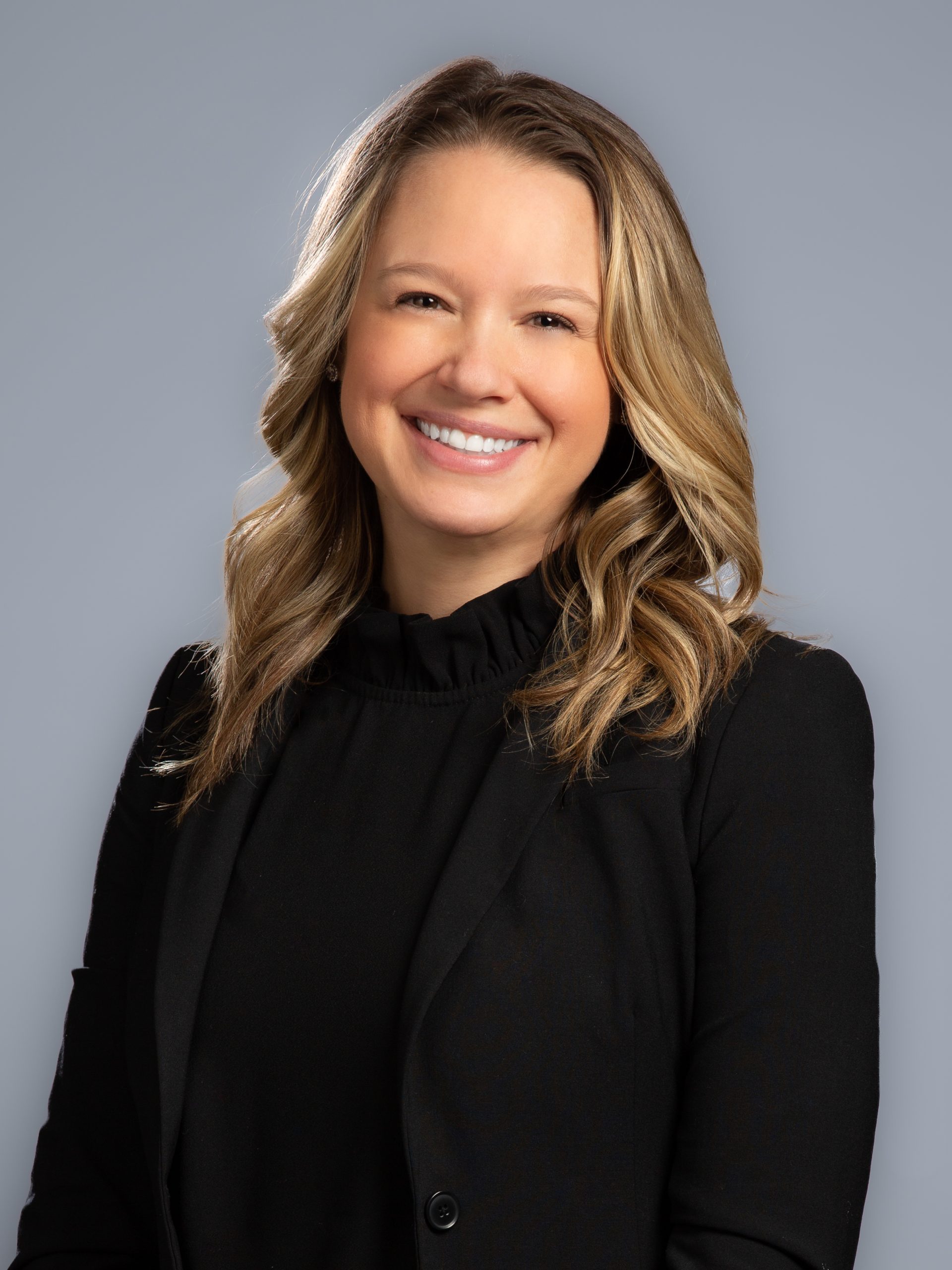
Jill Flaherty Spent 15 Years Learning How Banking Technology Earns Trust
At COCC, Jill Flaherty turned a business-development apprenticeship into an executive brief spanning product, sales and story. Her argument for community banking is simple enough to remember: technology earns its keep when it protects the relationship.
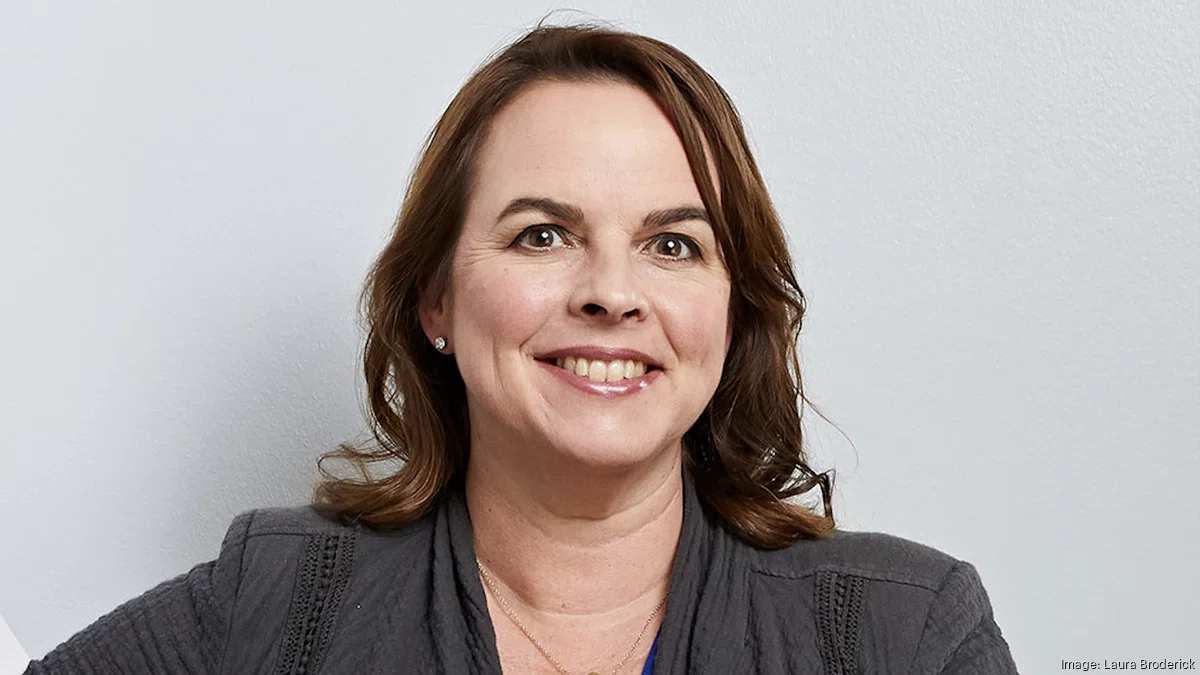
Laura Broderick Has Spent a Career Making Complicated Things Feel Simple
She went from Bain Capital to Dell's $4 billion online consumer business, then from the San Diego Padres to banking software. The connecting idea is wonderfully unfashionable: listen closely, remove friction, and help the customer win.
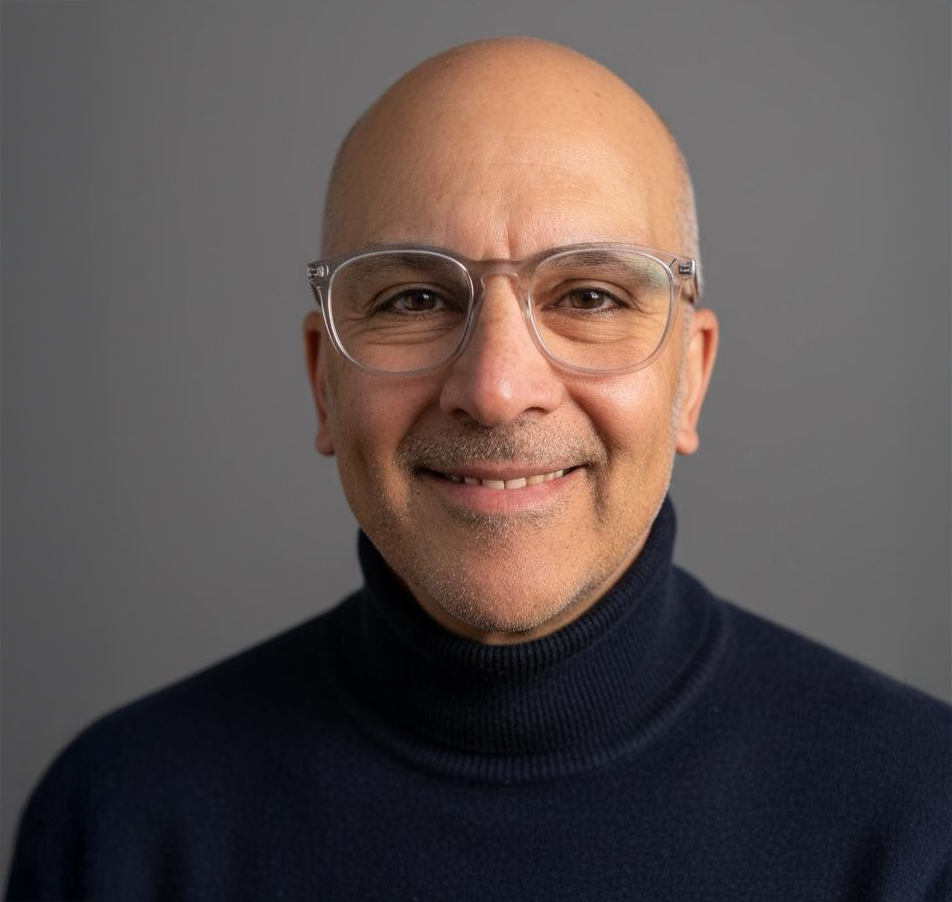
Jason Archer Keeps Building Places Where People Feel Known
He built an online graduate program around human connection. Now Baker Hill's chief marketing officer is applying the same instinct to the decidedly less sentimental machinery of lending technology.
Brian Otte Has Spent 25 Years Learning What Banks Really Buy
Before he led sales and marketing at Jack Henry, Brian Otte audited networks, helped build a security startup, lived in six countries, and learned a durable lesson: in banking technology, service is part of the product.
David Moore Devine Is Making a Bank Feel Like a Neighbor
After nearly two decades inside one banking organization, David Moore Devine has learned that a brand is not a slogan. It is the accumulation of rooms, screens, winter coats and small decisions that tell customers who belongs.
Kim Snyder Turned 20 Daily Reports Into One Clearer Question
A bank sale ended the job she loved. The reporting headache she could not forget became KlariVis - and a second act built around making community-bank data useful before the moment passes.

Glenn Bolstad Is Making Banking Software Feel Less Like Banking Software
After decades inside banks and technology companies, Glenn Bolstad arrived at a stubborn idea: the best digital banking system should make more room for judgment, relationships and service - not less.

Vikar Wants Community Banks to Stop Buying Software One Broken Handoff at a Time
The New Jersey fintech is betting that smaller financial institutions do not need another shiny front door. They need one configurable system that keeps customers, bankers, underwriters, compliance teams and core software in the same conversation.
Robert Mann Built a Career on the Unbankable
From free cookies in Palo Alto to compliance software for cannabis operators and community banks, the StandardC co-founder has spent a career learning how institutions decide whom to trust.
The Tulsa Bank That Tried Crypto - and Came Back to the Business of Knowing You
Vast Bank became a national curiosity by putting crypto beside checking. Its more durable proposition is quieter: a Tulsa bank that mixes modern tools with bankers who still answer the phone.
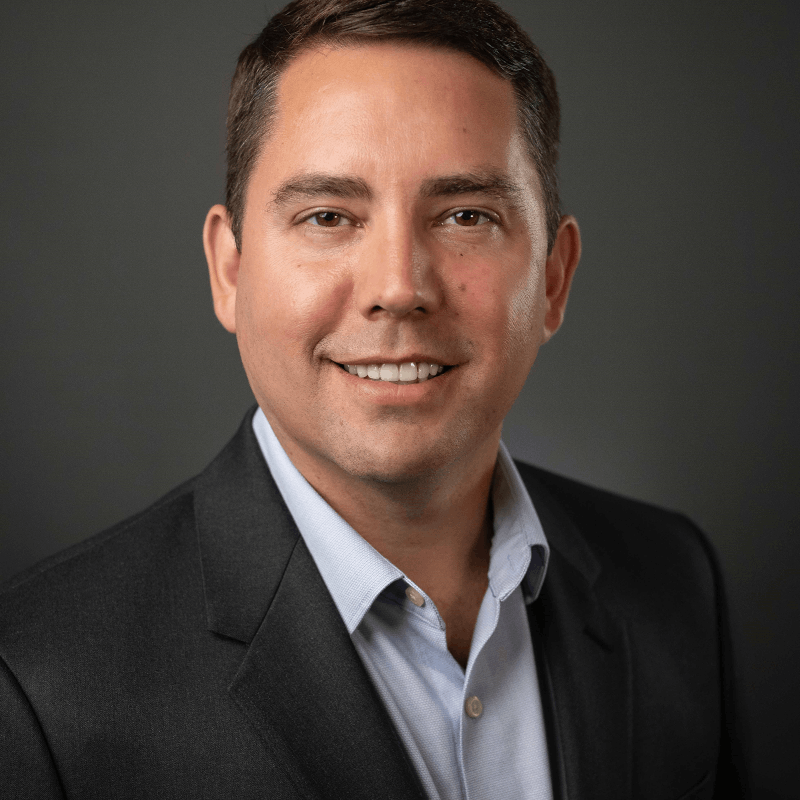
Eric Lucero Put the Bank Brand on the Sidewalk
Before bank marketing became a race for clicks, Eric Lucero helped turn lemonade stands, free ice cream and small acts of generosity into measurable growth. His return to Zions Bancorporation brings that customer-first playbook back to where his banking career began.

The 168-Year-Old Island Bank Making a $10 Billion Leap
First Hawaiian Bank has spent 168 years learning how to be local. Its proposed TriCo deal asks whether that advantage can cross the Pacific without losing what made the bank valuable in the first place.

Old National Bank
Old National has spent nearly two centuries turning local relationships into regional scale. Now the question is whether a $74 billion bank can keep the community-bank feel that made it valuable in the first place.

SouthState Bank
It grew from a single 1933 South Carolina bank into a $65-billion Southeastern lender - and its biggest business is one most of its own customers have never heard of.
Renasant Bank
It started in a Tupelo bakery in 1904 with $100,000 and a promise to know its customers by name. A century and a $1.2 billion merger later, Renasant is still betting that relationships scale better than everyone assumes.

Bank OZK
From two branches and $28 million in assets, Bank OZK built a $41.7 billion institution by pairing community banking with a national construction-lending machine. Now the Little Rock bank is trying to keep that edge while making its balance sheet less dependent on real estate.
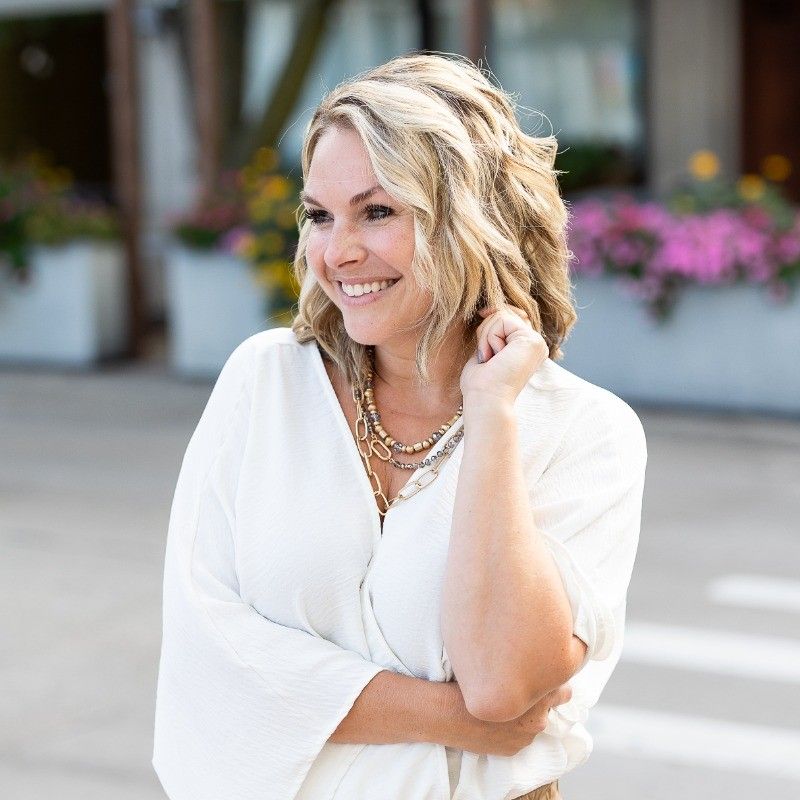
Deanna Capel
At Busey, Deanna Capel turned a first job in communications into a career shaping how a regional bank sounds, serves and shows up. Her path runs through brand systems, merger moments and the unglamorous work of being present in Champaign.
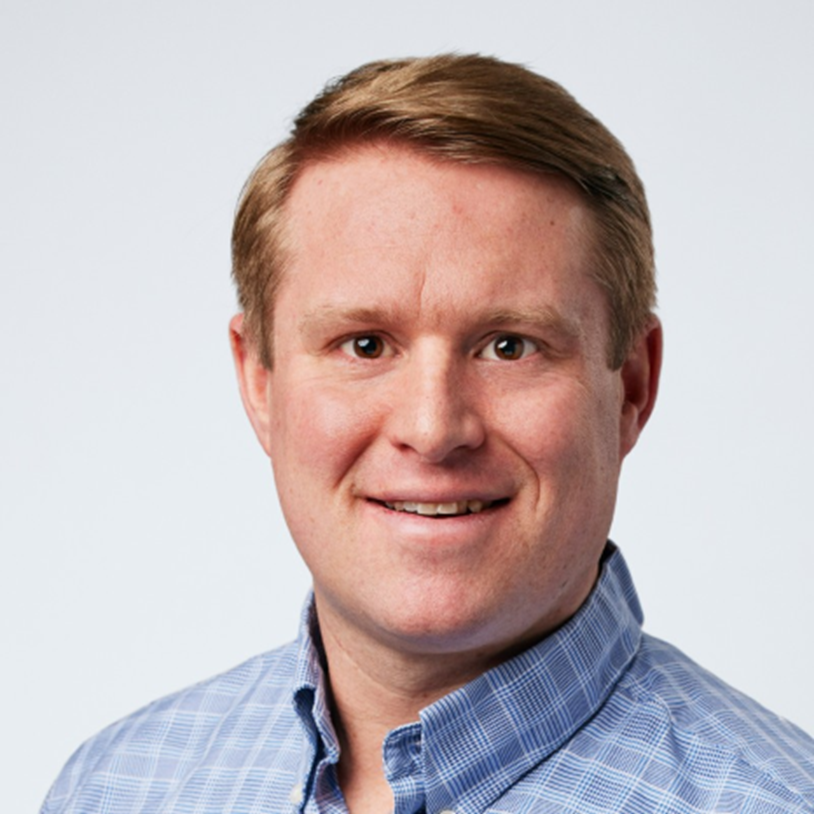
Steve Gogolak
At Rockland Trust, Steve Gogolak is bringing a product builder's discipline and a storyteller's eye to an old banking question: how do you make a relationship feel local when the front door is a screen?

Wendy Schenker
Wendy Schenker turned a bank’s marketing brief into a Chicago invitation - pairing sponsorships, public rituals and community work so the brand is experienced before it is advertised.
Valley Bank
Valley Bank has spent nearly a century getting bigger without wanting to feel big. Now, with about $64 billion in assets and a push into partner banking, it is testing whether a regional lender can offer national-bank machinery with a relationship banker still attached.
Fifth Third Bank
The bank with America’s strangest fraction just became its ninth largest. Behind the 5/3 sign is a 168-year experiment in turning branches, payment rails and software into one sprawling financial utility.
Busey
A bank born in an Illinois town of 2,000 people now spans 10 states. Its wager is that local relationships can survive a $20 billion merger - and become more useful when banking, wealth and payments sit under one roof.

Umpqua Bank
A timber town built a bank so workers would not have to cash paychecks at the tavern. Seventy-two years later, the name disappeared - but Umpqua's experiment in making banking feel human still echoes through the West.
Rockland Trust
Rockland Trust began by taking deposits door to door in a Model T. More than a century later, its bet is still the same: technology gets you farther when a local banker comes along for the ride.

Wintrust Financial Corporation
Wintrust built a $74.7 billion banking group by keeping the storefront feel of a neighborhood lender. Its real trick is the machinery behind the counter - 16 charters, national specialty finance and a balance sheet that can compete with much larger banks.
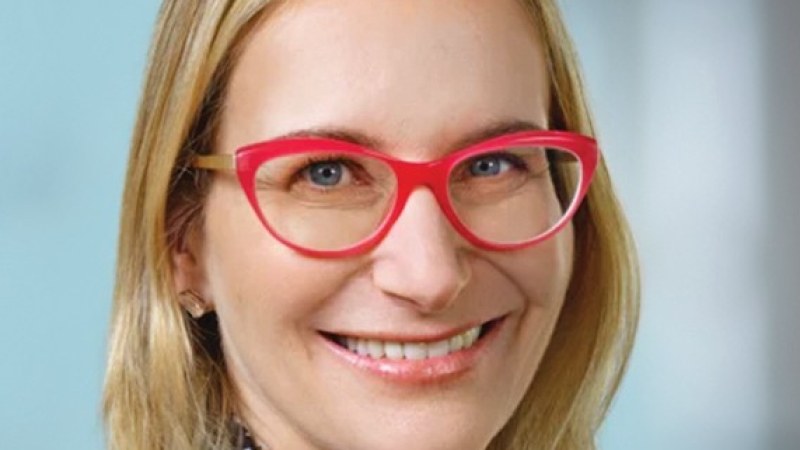
Jacqueline Reses
Jacqueline 'Jackie' Reses is the Chair and CEO of Lead Bank, a Kansas City-based chartered bank she acquired in 2022 and transformed into a banking-as-a-service powerhouse serving fintech builders. Previously, she built Square Capital from zero into a multi-billion dollar lending business at Square (now Block), served as a board member at Alibaba through its historic 2014 IPO, led 41 transactions as Yahoo's Chief Development Officer, and spent seven years at Goldman Sachs in M&A. A Wharton-trained economist from Atlantic City, she co-authored 'Self-Made Boss' and holds patents in payments, credit, and cryptocurrency. Lead Bank closed a $70M Series B in September 2025 at a $1.47B valuation backed by a16z, Ribbit Capital, Coatue, and Khosla Ventures.
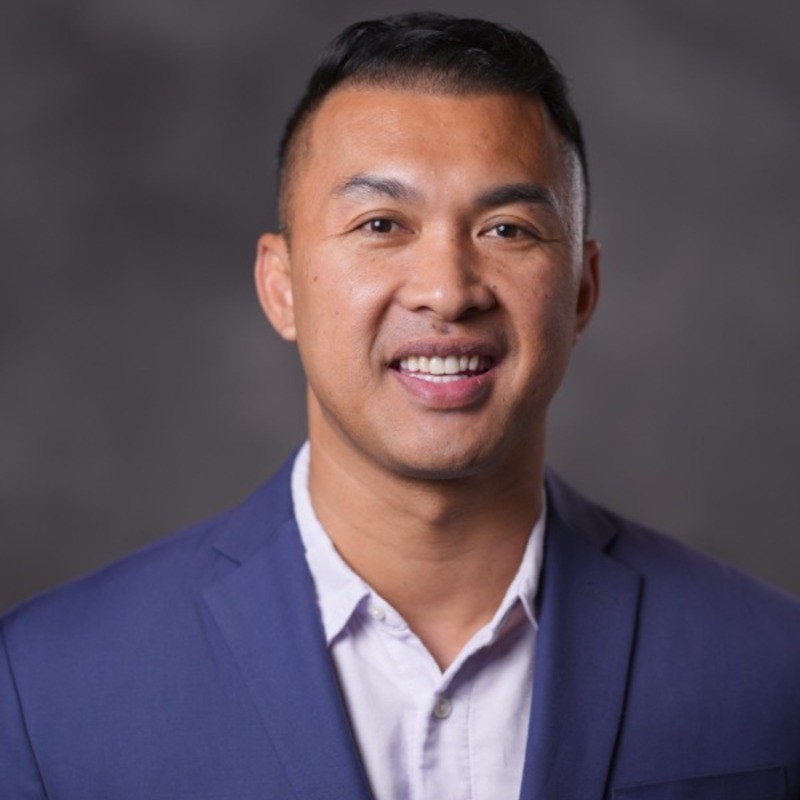
Heang Chan
Heang Chan is the CEO and Co-Founder of Prelim, a San Francisco-based fintech that builds the digital onboarding operating system for banks and credit unions. A Stanford MBA and former Goldman Sachs banker who also helped build the mortgage platform at Blend used by 3 of the top 10 U.S. banks, Chan founded Prelim in 2017 after Y Combinator to solve the friction-filled account-opening workflows he watched slow down banks from the inside. Prelim now orchestrates 50+ banking integrations for institutions managing more than $5 trillion in assets, turning weeks-long onboarding into minutes.
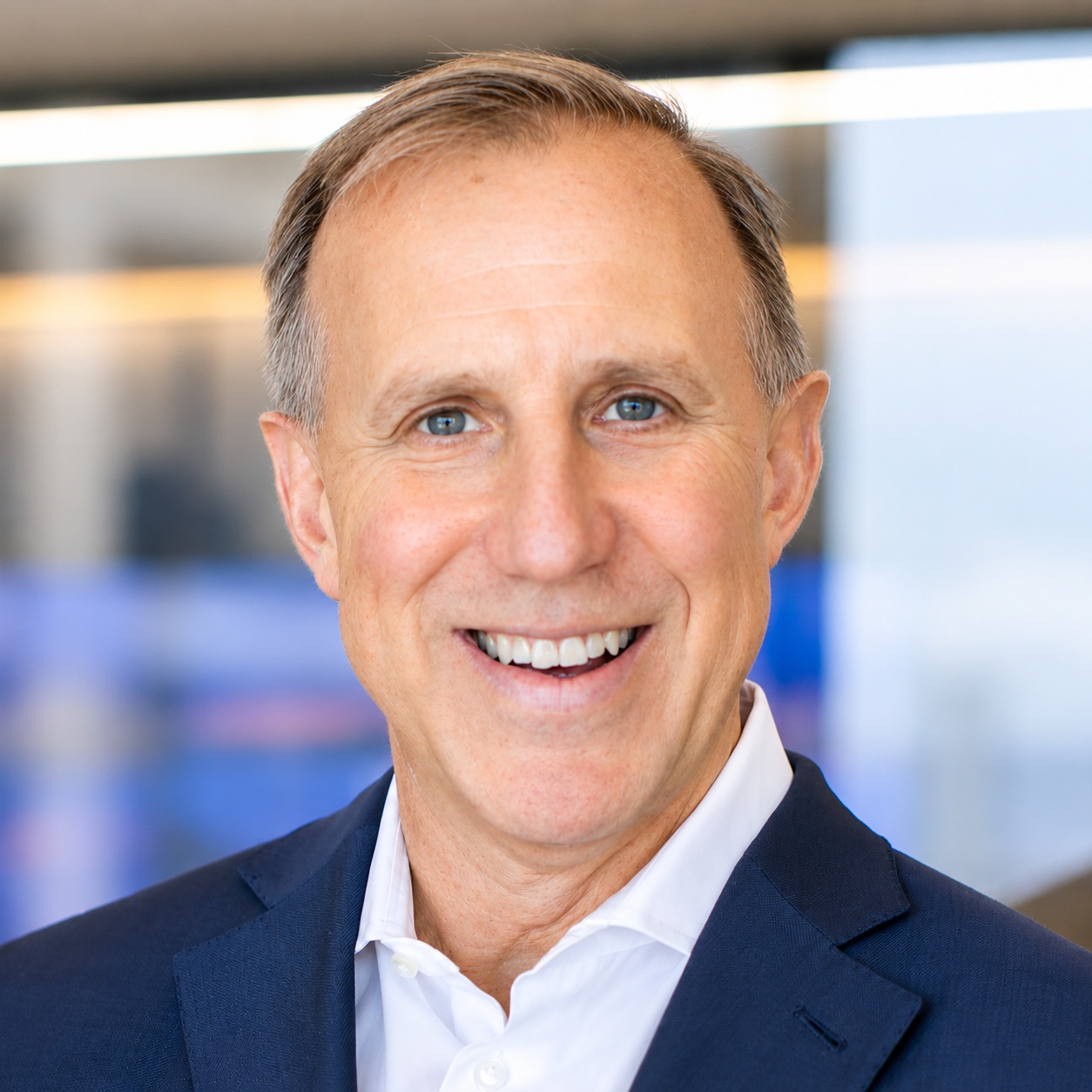
Larry Katz
Larry Katz is CEO and President of MeridianLink, a leading SaaS platform for digital lending and account opening used by banks and credit unions across the United States. A Harvard MBA and Yale graduate, Katz spent 15 years at JPMorgan Chase before leading finance and operations at Genesys and StubHub, then pivoting to private equity advisory before joining MeridianLink as CFO in 2024. Within 18 months he rose to President and then CEO, steering the company through a $2 billion acquisition by Centerbridge Partners in October 2025 and launching an AI-powered lending agent called Millie. His platform ethos — 'Lending Made Human' — sits at the intersection of algorithmic decisioning and community financial relationships.