In 1899, two lawyers from Chattanooga went to Atlanta with an idea that Coca-Cola’s owner did not much like. Put the drink in bottles. Asa Candler preferred soda fountains. Benjamin Thomas and Joseph Whitehead wanted permission to take the beverage elsewhere. The price of their bottling rights was one dollar. According to bottler Coca-Cola UNITED’s account, Candler never collected it.
- Coca-Cola creates brands and concentrates; local bottlers do much of the making and delivering.
- Its advantage joins familiar products to familiar places to buy them.
- New Coke exposed the danger of testing flavor while overlooking attachment.
It is tempting to treat this as a story about a missed fortune. A more useful reading concerns the work the agreement divided. One business could develop the drink and make people want it. Other businesses could invest in getting it into their hands. The secret formula gets the attention. This arrangement deserves a closer look.
A dollar buys a route out
John Pemberton created Coca-Cola in 1886. Candler incorporated The Coca-Cola Company in 1892, after acquiring the business. The distinction matters: inventing a beverage and building an organization around it were separate achievements. Early sampling coupons helped introduce the taste. Bottling allowed it to leave the fountain.
Today, Coca-Cola sells concentrates and syrups, as well as finished beverages. Bottling partners generally mix, package and distribute drinks locally. Supermarkets, convenience stores and restaurants sell them to consumers. Most local bottling companies are independently owned and managed. The red truck may wear a familiar name without belonging to the Atlanta parent.
- 01Create demandBrands, formulas
and concentrates - 02Make it localBottling, packaging
and delivery - 03Meet the momentShops, restaurants
and consumers
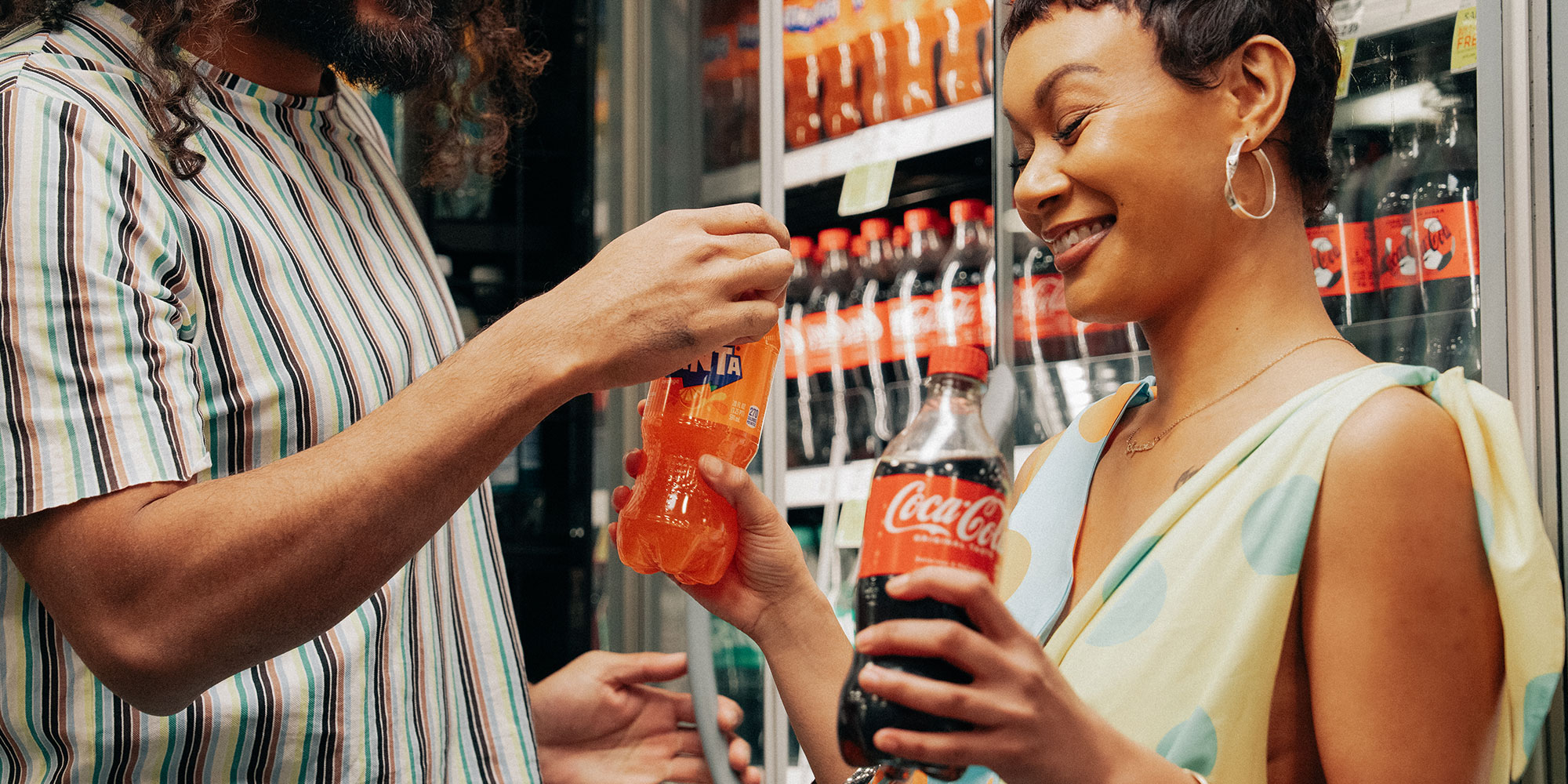
That makes a shopkeeper a different kind of customer from the person drinking a Coke. The shopkeeper needs products that move, dependable replenishment and a workable margin. The drinker wants taste, choice and convenience. Coca-Cola’s expertise lies in connecting those needs through brand marketing, beverage development and relationships with local operators.
The bottle did some of the selling
Distribution created another problem: imitation. If competing drinks could borrow Coca-Cola’s appearance, advertising might send customers toward the wrong bottle. In 1915, the bottlers’ association authorized spending up to $500 to develop a distinctive container. The brief asked for recognition by touch in the dark, or from a broken bottle on the ground.
The Root Glass Company’s team found inspiration in an illustration of a cocoa pod. Cocoa was the wrong botanical reference, but the ribs suggested a useful shape. The first prototype was unstable; the commercial design needed a wider base and slimmer proportions. The resulting contour bottle made identification part of the package.
“A bottle which a person could recognize even if they felt it in the dark”
The 1915 design brief, preserved by the National Archives Foundation
A smaller business can borrow the question behind that brief. What feature helps somebody recognize your product before reading its name? A distinctive shape or consistent package can reduce the effort of choosing. The useful investment is in recognition that survives ordinary shopping conditions.
The taste test missed the point
In April 1985, Coca-Cola replaced its original formula with a reformulated drink. Its competitive lead had been slipping. Taste tests involving nearly 200,000 consumers favored the new formula. By the logic of the research, the company had grounds to act.
What failed was the assumption that preference in a test captured the meaning of replacement. Consumers protested, hoarded the old drink and demanded its return. In July, the original came back as Coca-Cola classic. People had opinions about sweetness. They also had opinions about someone taking away something familiar.
The practical lesson is to test the actual decision. Asking which sample tastes better differs from asking whether an established product should disappear. Before replacing a favorite, investigate the loss customers would experience. A technically improved offering can still remove the reason somebody chose you.
More drinks, same shelf
Coca-Cola now reaches well beyond cola. Sprite and Fanta cover sparkling flavors; Powerade and BODYARMOR serve sports occasions; Minute Maid and Simply supply juices; fairlife adds dairy; Costa brings coffee. Consumers can choose no-sugar drinks, water or a fountain mixture from Coca-Cola Freestyle. Availability and menus vary by market.
PepsiCo, Keurig Dr Pepper, regional producers and retailer brands compete for many of the same purchases. Coca-Cola’s position rests on the combination of recognizable brands, a broad portfolio and distribution relationships built over decades. A new flavor can be copied more quickly than that network can be assembled.
Daily servings of the company’s branded drinks, by its estimate. Servings count drinks, not individual people.
Scale does not make every result effortless. In 2025, reported net revenues rose 2% to $47.9 billion while global unit case volume was flat. In the second quarter of 2026, revenue increased 7% to $13.4 billion and volume grew 5%. Revenue and the amount people drink deserve separate attention.
For a restaurant operator, that portfolio offers several ways to fill a drinks menu through the Coca-Cola system. For a consumer, the company’s product pages and Freestyle locator make the choices easier to explore. The relevant question is which drink fits the occasion and budget.
The cost of being everywhere
Expansion carries substantial bills. Coca-Cola completed its Costa acquisition for $4.9 billion in 2019. In 2024, it announced a five-year Microsoft partnership with a $1.1 billion cloud and AI commitment. Those figures describe a purchase and a spending commitment, respectively. They do not establish what either investment will earn.
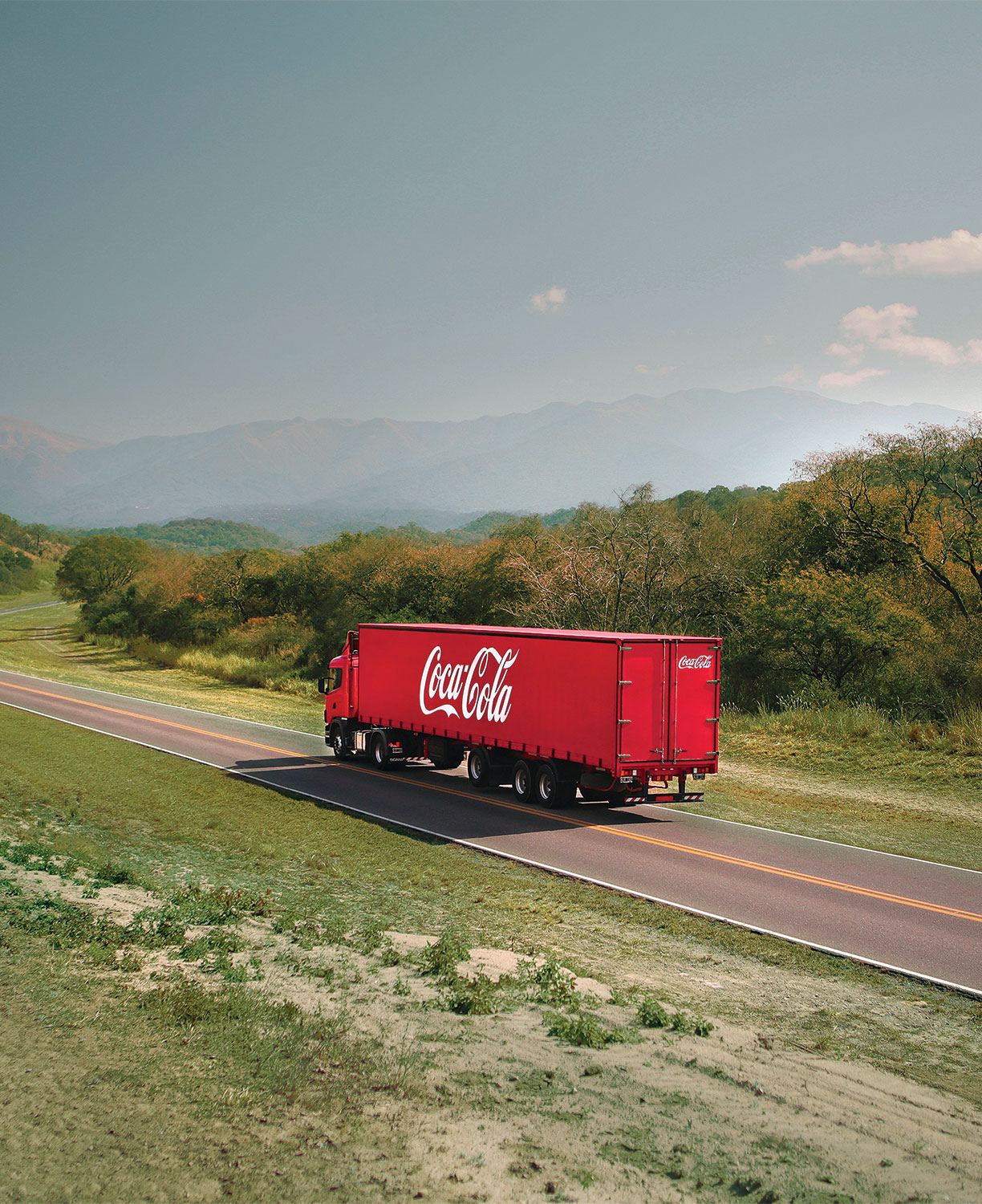
Packaging adds responsibilities after the sale. Coca-Cola’s revised environmental goals include helping collect the equivalent of 70% to 75% of the bottles and cans it introduces annually by 2035. That is an ambition, not a completed result. Designing recyclable packaging and ensuring it gets collected are different jobs.
Henrique Braun, CEO since March 31, 2026, inherits those interconnected tasks. Coca-Cola describes its desired culture as curious, empowered, inclusive and agile. The operating challenge is concrete: keep adapting the drinks while maintaining the system that makes them available.
For another business, the transferable idea is a disciplined division of labor. Keep control of product standards and the promise customers recognize; give capable partners a reason to deliver. It depends on sufficient demand, reliable supply and partners who can make money. Without those conditions, a famous label still leaves an empty shelf.