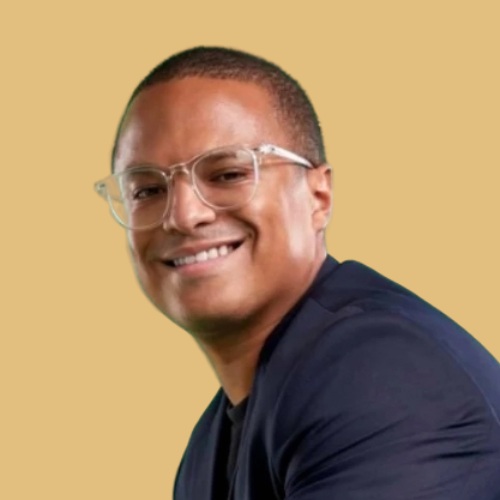
The city was supposed to have an address. In Djoann Fal’s imagination, it would bring together the technologies he kept talking about: energy, water, food, computing, robotics. A place where climate resilience could be lived in. Then, in an October 2026 essay, the Atlas founder admitted something awkward. The city had never been built. The thing that existed was a coalition of people who might help finance such a future.
A network, three ways in
- Founders: meet investors through pitches, summits, or paid introductions.
- Fund managers: find family offices aligned with their investment mandate.
- Investors: buy curated deal sourcing and explore co-investments.
That admission makes The Atlas Coalition easier to understand. Its practical output is a room, followed by another conversation: an investor meets a founder; a fund manager meets a family office; an industrial company discovers a technology it could use. Atlas organizes those encounters across climate and frontier technology, connecting Southeast Asia with North America and Europe.
A recruitment founder meets a capital problem
Fal came to this work through recruitment. He co-founded GetLinks, a technology hiring marketplace operating across Southeast Asia. Matching people to opportunities was already familiar territory. Atlas moved that activity toward investors and the physical systems that keep cities functioning.
In a July 2024 podcast interview, Fal described a pilot fund with ten investments connected to making cities more resilient. He talked about sourcing technologies for Southeast Asian conglomerates, including businesses in property, hotels, construction, and logistics. Those companies could invest directly; Atlas could co-invest alongside them. The commercial attraction was access to industrial needs as well as money.
The associated Atlas Capital website spells out the interests: extreme-weather adaptation, resilient logistics, construction robotics, domestic manufacturing, energy production, and storage. It names companies such as Zauben in its discussion of the built environment. This is a thesis about equipment, buildings, and infrastructure. A clever application alone does not explain it.
The regional coalition dates its beginning to Climate Tech Day at Coral Life in Bangkok in 2023. Its activities include sharing investment opportunities, private events, a member directory, and co-investment connections. A separate North American frontier-tech network broadens the conversation to areas including AI, biotechnology, and materials.
The meeting has a price
A coalition sounds like something one joins. Atlas also has things one buys. Its Family Offices Connect program serves fundraising investment managers. Its Founders Capital Introductions service reviews a company’s deck and fundraising objectives, then matches it with investors by stage, sector, geography, and whether they are actively deploying capital.
The founder service has a clear audience: post-revenue businesses raising Series A through pre-IPO, particularly in frontier technology, energy, AI, robotics, infrastructure, climate, and industrial technology. Early-stage Southeast Asian startups have a different route through Atlas’s pitch activities. Those two invitations should not be confused.
The published base commitment
$18,000$3,000 per month × a six-month minimum.
Listed for both founder and fund-manager introduction programs. Access fees purchase a service; an investment remains the investor’s decision.The investor side has its own menu. One deal-sourcing batch costs $5,000 and lists ten curated startup opportunities plus three warm introductions. Atlas also publishes discounted packages for multiple batches. The model puts a price on finding relevant companies and getting their founders into a conversation.
Then there is WeTheAtlas, a private investment circle with curated dealflow, summit access, tailored introductions, and opportunities involving special-purpose investment vehicles. These vehicles allow participation in particular deals. Together, the services place Atlas between a specialist investment network, an event organizer, and a capital-introduction business. A customer could alternatively build those relationships directly or use an internal sourcing team; Atlas sells help doing that work.
Count the introductions. Read the fine print.
The physical gatherings give that work a setting. Atlas advertised a Hong Kong investor dinner in June 2022. Later gatherings included New York and a retreat at Rocabella on the French Riviera. Its April 2026 San Francisco Climate Week listing put investors aboard the USS Hornet museum in Alameda. An aircraft carrier is certainly easier to remember than a hotel meeting room.
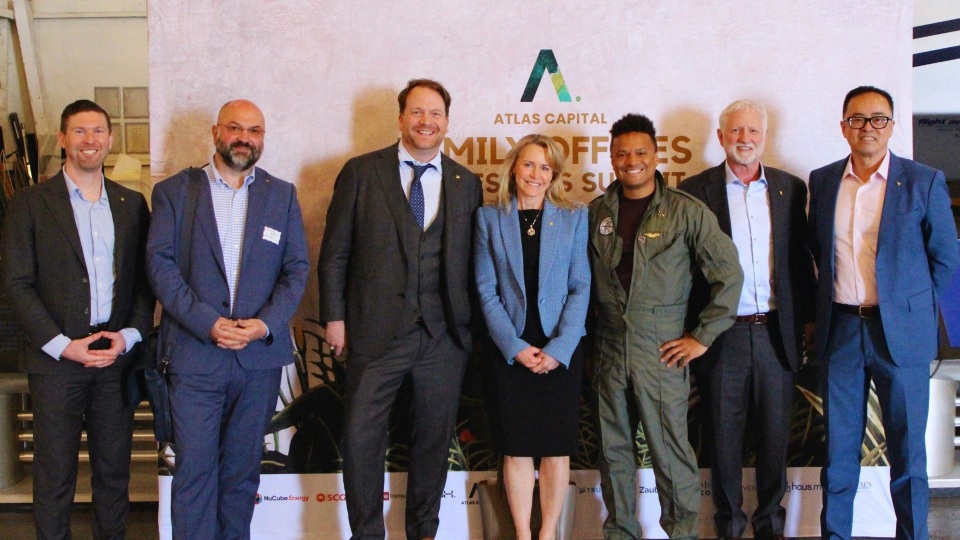
Before the sixth summit in September 2026, Fal described three months of planning with a ten-person team. Attendees would pre-book one-to-one meetings on WeTheAtlas, with dedicated matchmaking tables during the afternoon. The operational detail matters: a crowded room still needs a mechanism for getting the relevant people together.
The numbers require equal care. WeTheAtlas reports more than $500 billion in combined assets under management represented across its summits. That measures the financial scale of participants. It does not mean Atlas manages $500 billion, or that those assets were invested through it. For someone evaluating the service, the useful question is how many introductions fit their particular mandate.
The useful part is portable
There is a method here that other founders can copy: qualify the investor before pursuing the meeting. Check investment stage, sector, geography, and current appetite. Give the introduction enough context to explain why both parties should care. Build a next step into the gathering itself.
That method depends on fit. A pre-revenue founder falls outside the paid founder program’s stated audience. An investor seeking liquid public-market exposure has different needs from someone considering private technology deals. Even a perfectly relevant introduction leaves questions of technology, commercial demand, and terms to be settled. Access can start that work; it cannot finish it.
“The city in my head has no coordinates.”
Djoann Fal · October 2026
Fal’s October reflection, prompted by his father’s death, reconsidered the distance between the imagined city and what he had actually assembled. Atlas’s working business is more concrete than the dream: select people, convene them, match their interests, and keep the conversation moving. Anyone considering joining can start with that proposition and decide whether the next introduction is worth the price.