In July 2014, TerraForm Power offered investors a reassuring proposition: own the power plants after somebody else has done the difficult work of developing them. SunEdison would supply projects. TerraForm would collect electricity revenue. Investors would receive dividends. It was called a yieldco, a name with all the romance of a filing cabinet. The attraction was precisely that it sounded boring.
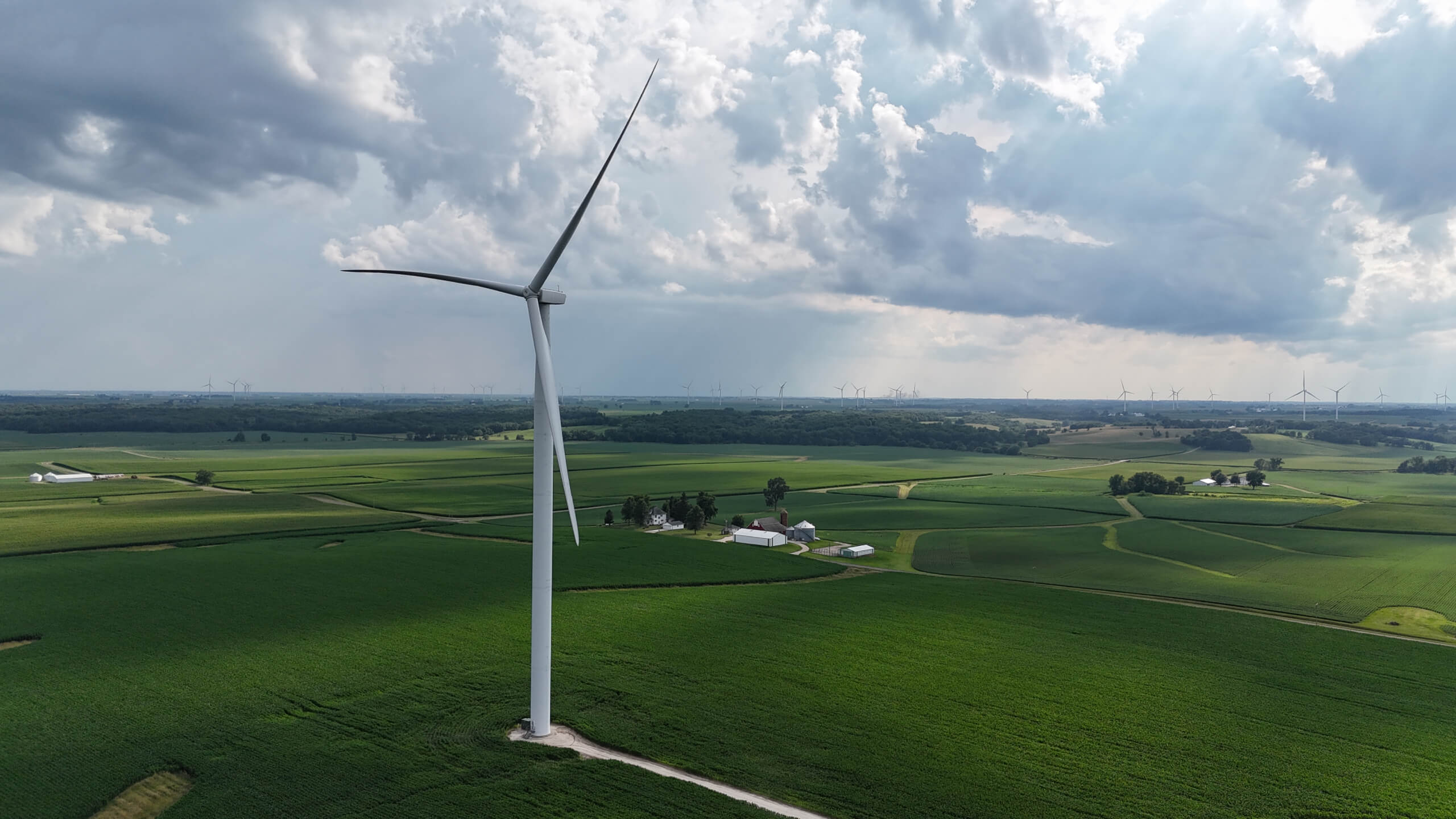
- TerraForm develops and operates wind, solar and storage projects for large power buyers.
- SunEdison’s collapse exposed its sponsor dependency; Brookfield became its controlling shareholder.
- Its next test is delivery: turning an expanded development pipeline into operating assets.
Then, in April 2016, SunEdison filed for bankruptcy. A wind turbine does not check its parent company’s balance sheet before turning. But a business depends on more than moving blades. TerraForm’s history became a useful experiment: what survives when the machinery works and the arrangement around it breaks?
The sponsor was part of the machine
SunEdison formed TerraForm in January 2014. By July, the company had completed an IPO. The initial offering raised about $502 million gross, before the underwriters’ additional share purchases; concurrent private placements added $65 million. This was infrastructure finance with a stock-market entrance.
The relationship supplied more than projects. SunEdison provided management and administrative services. A Delaware court’s account records that, after its bankruptcy, SunEdison was not performing certain obligations to TerraForm. TerraForm began evaluating strategic alternatives. The breakdown was in a sponsor relationship, rather than evidence that the underlying idea of selling renewable electricity had stopped working.
Brookfield supplied a different arrangement. In 2017, it and institutional partners bought a 51% interest for $656 million. The sponsorship package also included a $500 million equity line to support growth. Those numbers describe different things: a stake purchase and a financing facility. Neither is a construction price per turbine.
The practical lesson is about dependencies. Reliable assets can sit inside an unreliable structure. In July 2020, Brookfield Renewable acquired the remaining publicly held shares. TerraForm’s last trading day under TERP was July 30. The company continued; the standalone public stock did not.
A contract is part of the product
Today TerraForm occupies the space between renewable project development and large-scale electricity procurement. Utilities, municipalities, corporations and hyperscalers are among the customer types it serves. Its commercial menu includes physical and virtual power purchase agreements, resource-specific offtake and renewable energy certificates.
That menu matters because buyers have different problems. A utility needs supply. A corporate buyer may need a financial procurement structure or renewable attributes. A certificate purchase and physical electricity delivery answer different questions. TerraForm’s commercial team works on pricing, contracting and portfolio optimization alongside the people operating the assets.
Its business model ties capital-intensive facilities to power and environmental-attribute revenue, with an emphasis on long-term agreements and creditworthy counterparties. The company’s current North American website reports 2,200 MW across its portfolio. Its financial reporting includes a broader collection of assets, including European holdings. The scope matters as much as the headline number.
Each stage needs the others. A signed agreement still needs a working project behind it.
TerraForm competes in the market occupied by other independent power producers and renewable developers. Its distinguishing combination is an operating fleet, development capability and Brookfield backing. That combination helps explain its position; it does not establish that its power is always cheaper. Procurement still comes down to the project, contract and delivery point.
For a prospective customer, that suggests a sequence. First establish what is being purchased: delivered electricity, a financial contract or certificates. Then establish which asset or portfolio stands behind the agreement. Finally, test the timetable against the buyer’s own needs. A project expected to operate several years from now cannot answer the same procurement question as an existing facility. TerraForm’s range of offerings makes those distinctions especially useful.
Reliable assets can sit inside an unreliable structure.
The lesson of the SunEdison years
Buying the people who get projects built
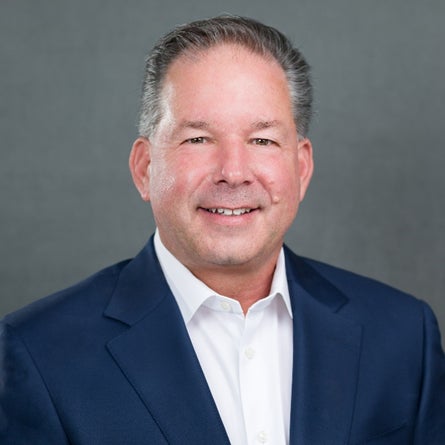
Mark Noyes became president and chief executive in November 2024, bringing experience from Con Edison’s clean-energy businesses and RWE Clean Energy. His biography describes a leadership approach of “One Team, One Mission.” It also records a patent for automatic energy management. This is a power-company executive who has thought about the consumption side of the meter.
In May 2025, TerraForm acquired Virginia-based Sun Tribe Development. The announced development pipeline more than doubled to over 6,000 MW of solar and battery storage. The acquisition also brought development expertise: finding sites, working with landowners and navigating the utilities and authorities whose decisions determine whether a project advances.
Danny Van Clief, previously Sun Tribe Development’s co-founder and CEO, now leads TerraForm’s greenfield development. The acquired team’s work includes former Appalachian mine lands with The Nature Conservancy. It is a revealing detail. A development platform needs people who understand a particular place, including its previous industrial life.
The megawatts still have to arrive
In February 2026, TerraForm announced the acquisition of Steward Creek Solar in Illinois from Hexagon Energy. The 1.56 GW project took its announced pre-construction solar and storage pipeline to nearly 7 GW. A 600 MW interconnection agreement with Commonwealth Edison and PJM was a tangible step toward delivery.
The project’s timetable makes the distinction plain. Announced capacity belongs to a plan; operating capacity belongs to a functioning asset. TerraForm expects the two phases to enter service in 2029 and 2030. Between those dates and the acquisition stand construction, financing and execution.
A buyer can copy a useful habit from this story: examine the dependencies behind the offer. Ask about grid access, the operator, the counterparty and the route to commercial operation. TerraForm itself emphasizes managing basis and market risk. Renewable output, contract economics and a customer’s electricity demand do not automatically line up.
The local relationships also outlast the opening ceremony. TerraForm says its team works with more than 1,200 participating landowners, handling matters such as crop damage, land transfers and lease payments. Its community commitments include support for STEM education and wildlife protection. Owning a facility for the long term means continuing to deal with the people around it.
The approach depends on financeable projects, workable connections and customers able to honor long agreements. Without those conditions, a large pipeline can remain a large pipeline. TerraForm’s history gives that warning substance. The wind may keep blowing. Somebody still has to make the entire business work.