The inconvenient part of a blood test often happens before anyone touches an arm. There is the appointment, the trip, the waiting room. For the person running a research study, there is another wait: the interval before the sample finally arrives. Tasso, Inc. has built a business around moving that first encounter out of the clinic. Its proposition fits on a shoulder. A small device sticks to the upper arm. Press the red button. Let the sample do the traveling.
- Tasso makes single-use devices for collecting capillary blood.
- Organizations buy the devices, kits and collection logistics.
- Laboratories perform the tests. Compatibility still matters.
A button with a supply chain
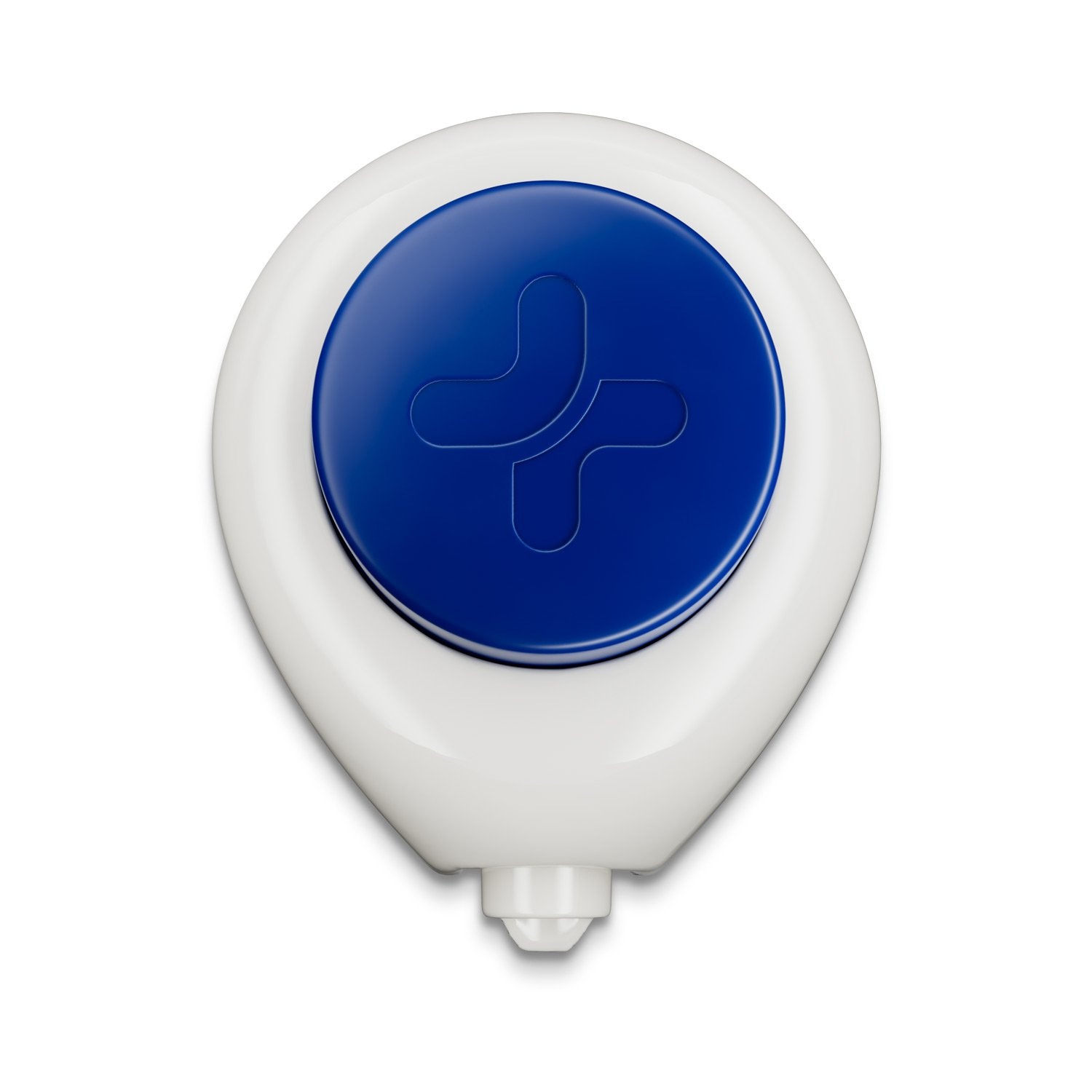
The mechanism is less mysterious than it looks. An adhesive holds the device against the skin. Pressing its button activates a lancet and a vacuum, drawing blood from capillaries into an attached container. The skin is punctured; the hollow needle used to enter a vein is absent. That distinction gets lost in the cheerful shorthand of “needle-free” blood collection.
Tasso+ collects liquid whole blood into compatible tubes. Tasso Mini is positioned for more frequent sampling and sensitive populations. Both are FDA-cleared Class II lancets. Neither designation means every conceivable blood test can be moved into a living room. The collection device and the laboratory analysis have separate jobs. Tasso competes with finger-stick kits and mobile phlebotomy as well as arm-based devices from RedDrop Dx and YourBio Health. Its combination of collection hardware and logistics gives customers a way to organize the whole program.
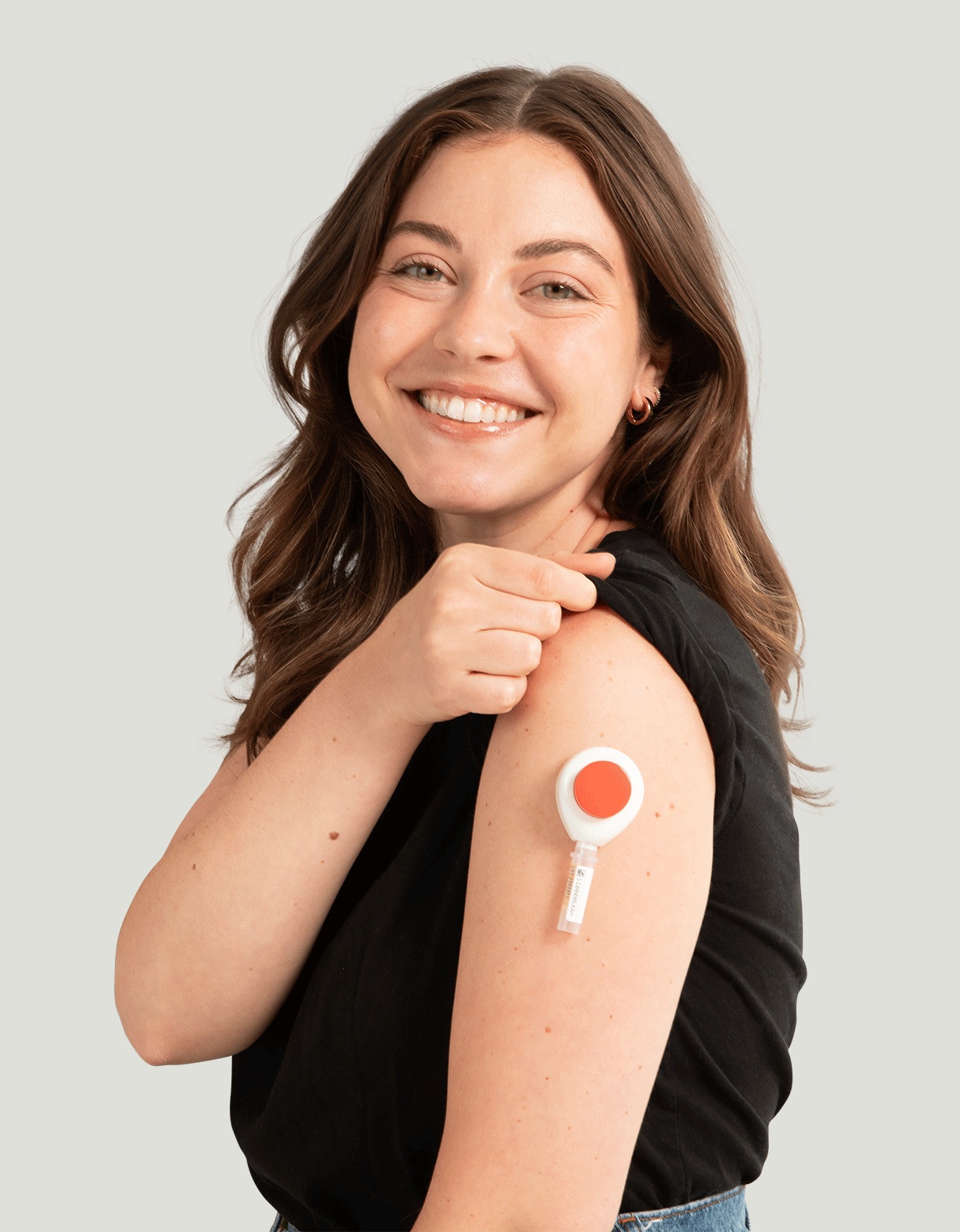
Tasso’s organizational customers include healthcare providers, pharmaceutical companies, laboratories and clinical research groups. They can buy collection kits and use Tasso Solutions to coordinate the work around them. Tasso Connect supplies a tracking portal; an API connects customer systems. A prepaid return label, reminders and collection support help turn a dispatched box into a returned sample. These are small conveniences with a large collective responsibility.
First, find something worth collecting
Ben Casavant and Erwin Berthier came out of David Beebe’s biomedical engineering laboratory at the University of Wisconsin-Madison. Their expertise was microfluidics: the behavior of fluids in very small spaces. Tasso’s name means badger in Italian, a Wisconsin souvenir hiding inside a Seattle company.
In a 2024 university account, Berthier recalled three early contributors putting in $300 apiece to 3D-print prototypes for funding agencies. The ambition was large; the initial purchasing power was $900. Earlier university reporting also identified Ben Moga as a co-founder and then-president, a reminder that startup histories can lose a person as they become shorter.
The commercial destination was initially unsettled. In 2015, Casavant said the team was still looking for its “killer application.” Frequent glucose checks were not the initial target: existing tests were inexpensive. The device needed a setting where avoiding a journey, or enabling a previously difficult collection, justified changing the routine.
That is a useful discipline for anyone making hardware. A technical improvement needs an economic address. Tasso’s subsequent focus on clinical research and remote testing puts the device where repeated visits and missing samples create problems someone has reason to solve.
“Question the assumptions.”
Erwin Berthier · UW–Madison, 2024
The expensive part comes after the prototype
Federal grants helped finance the early engineering. By March 2019, Tasso reported $13.1 million in grants and announced a $6.1 million financing round. A $17 million Series A followed in July 2020. In December 2021, RA Capital Management led a $100 million Series B; the company reported $131 million in total funding at that point.
Those numbers describe different tasks. Prototype money buys a demonstration. Growth capital pays for manufacturing capacity, operations and services that must work repeatedly. The pandemic increased demand for remote testing, giving Tasso a market reason to expand production. A promising button had acquired an industrial schedule.
Its business model follows that schedule: single-use devices and kits, supported by logistics services for organizational programs. Tasso supplies customized quotes and says it does not sell directly to individuals. The relevant cost is therefore the program’s collection-and-return workflow, rather than an imaginary universal shelf price.
Four spots, rather deliberately
In February 2025, Tasso introduced Tile-T20, a dried-blood cartridge paired with Tasso Mini. It collects four volumetrically controlled samples. Each holds 17.5 microliters. For researchers measuring drug concentrations, a known sample volume is useful in a way that a merely attractive spot of blood is not.
The laboratory remains the deciding partner. Tasso’s February 2025 ARUP Laboratories collaboration began with validated testing for rheumatoid factor, high-sensitivity C-reactive protein, creatinine and high-sensitivity DNA. That specific list matters. It describes actual work on particular samples, rather than permission to replace every venous draw. Tasso lists its dried-blood kits for research or anti-doping use only.
Who gets to take part?
The Parkinson’s Foundation partnership makes the access argument concrete. In March 2026, PD GENEration reported more than 30,000 enrolled participants. It was adding more than 900 participants monthly; nearly half of those new participants used Tasso’s at-home collection. Fifty sites used the technology. Those figures describe a research program, not 30,000 Tasso collections.
new monthly PD GENEration participants used Tasso at-home collection, reported March 2026.
For a person with mobility difficulties, the difference between collecting at home and traveling to a clinic can determine whether participation is practical. The device changes the demands of contributing to research. It does not change the underlying disease, and participation figures alone do not establish better clinical outcomes.
A different partnership serves athletes. Tasso and InnoVero combine capillary collection with tamper-evident sample security for anti-doping. In February 2026, they announced selection for the Winter Olympics, following use at Paris 2024. Convenience, here, has to coexist with custody and security.
Follow the handoffs
Tasso reported two million devices sold in October 2025. Its growth also includes a Japanese joint venture with SNBL, whose TS Blood Collection Kit received local certification in September 2025. Expansion requires more than shipping the same box farther away.
The transferable idea is to follow the task past the photogenic moment. Collection needs enough blood. Transport needs appropriate handling. Analysis needs a compatible, validated method. Where those conditions fail, a conventional draw may remain the practical choice. Where they hold, Tasso lets a small sample make a trip that a person can skip.