At the Starbucks on the first floor of Amazon’s Shibuya office, Taku Harada and the colleagues who would become his co-founders kept returning to a question: was this what they wanted to be doing? There was no obvious disaster to escape. The careers were going well. The trouble was that they could imagine them continuing to go well, in much the same way, for years.
Harada had a résumé that required very little explaining. Sony Music. Amazon. Apple. These were names that could introduce a person before he entered the room. He had worked in music, entertainment and technology, including the launch of Japan’s iTunes Music Store. Another position at another recognizable company was an entirely plausible future.
He found that prospect uncomfortable. “I didn't want to have a predictable future.” The sentence explains the departure better than a tale of destiny would. He had never been a child planning to become an entrepreneur. He wanted to make something of his own, and the available career ladder was beginning to look rather well signposted.
A household with its own soundtrack
There was another model of working life close to hand. His father was a violinist. Harada grew up seeing someone make a living through a particular skill, with the independence and personal responsibility that accompanied it. The family’s connection to music long preceded any interest in the business of selling it.
Born in Tokyo in 1973, Harada moved to New York as an infant and grew up between the two cities. He later graduated from Yale. In 1997 he joined Sony Music Entertainment, working on international contracts. The choice fitted an ambition he did have: he wanted music in his working life. The paperwork was one route into its institutions.
The jobs that followed took him through successive ways of getting culture to an audience. Amazon Japan brought online retail and the entertainment business. In 2005, Apple brought the Japanese launch and marketing of the iTunes Music Store. He returned to Amazon in 2006, working on marketing and mobile, and became head of YOOX Japan in 2008.
A record label, an online shop, a download store, a fashion retailer: the products differed, but each put practical machinery between somebody making something and somebody wanting it. Seen together, those roles help explain why an event platform might appeal to him. A performance needs an audience, and someone has to make the arrangements.
- 1997Sony MusicInternational contracts
- 2001Amazon JapanEntertainment
- 2005AppleJapan’s iTunes launch
- 2011PeatixEvents and communities
The audience changed the plan
The route into his own service was indirect. Harada and his colleagues helped American internet businesses, including bitly and SurveyMonkey, enter Japan. It was useful work, but they wanted to operate a platform themselves. Live events offered a problem they recognized, with paper ticketing among the practical frustrations.
Peatix launched in May 2011. Music was the natural starting point for someone with Harada’s background. Independent artists might use straightforward online tools to organize performances and sell admission. The idea connected his experience of music companies with the autonomy he had watched in his father’s career.
The first users complicated that picture. People involved in support activities following the Great East Japan Earthquake were also using the service. Their gatherings had purposes that extended beyond entertainment. A tool conceived with musicians in mind could help a much wider set of people assemble around something they cared about.
That distinction matters. An organizer brings an intention: a concert, a discussion, a fundraiser, a group that ought to meet. The platform supplies some of the arrangements. Harada’s account of those early users describes a founder learning that the audience for his product was broader than the audience he had pictured.
It also makes the company’s community focus more concrete. The word can cover almost anything in a business presentation. Here it began with people already doing the organizing. They gave the software a use, and that use helped change the founders’ understanding of what they were building.
He has also been frank about the product decisions he regretted. Responding to every individual request could pull the team away from common customer problems. Adding features simply because a competitor had them could consume time without giving Peatix a reason to exist. These are ordinary mistakes, which is part of their usefulness in his account. A founder who has worked at large technology companies still has to learn what to leave out of a smaller one.
The money came with obligations
By March 2015, Peatix was announcing a Series B financing round. Harada’s accompanying reflection had an unusual emotional register for a funding announcement. Congratulations were welcome, but accepting other people’s money also left him thinking about responsibility, uncertainty and the demands that a small business placed on everyone around it.
He wrote about the organizers whose experiences made the effort worthwhile: an unexpectedly well-attended gathering around a niche subject; a long-imagined event finally happening; two people meeting at an event and later marrying. These were examples he chose to explain the business’s purpose. A financing round could help make more such gatherings possible.
The post ended with a practical detail. He was writing from a modest hotel in Osaka, where the company wanted to develop its event community and recruit. There is a pleasingly ordinary scale to that ending. The funding announcement was public; somebody still had to travel, stay somewhere and get on with the work.
A year later, Peatix’s campus pilot at Wesleyan offered another small example of how expansion happens. A community manager’s connection to a student helped bring the service onto campus. For a business concerned with gathering people, a personal introduction was doing some of the heavy lifting. A market can begin with someone who knows someone.
Three hours at the airport
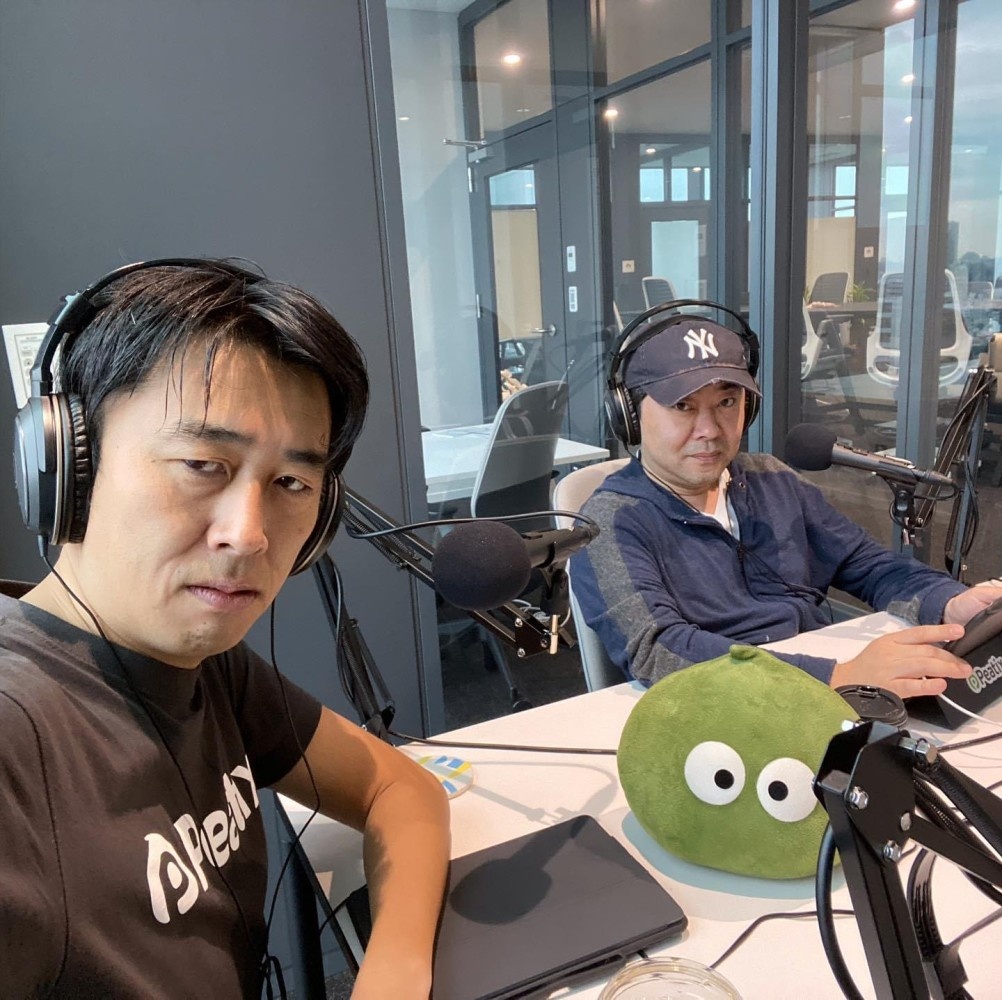
The people inside the company receive similar attention. Harada has described an airport thought experiment for hiring: imagine being stuck together for three hours. Could the time contain a meaningful conversation? The appeal of the test is its familiarity. Most people can picture the seating, the waiting and the gradual exhaustion of small talk.
For him, the question reaches beyond how much somebody talks. Communication and compassion matter. He leaves the assessment of specialized skills to colleagues with the appropriate expertise. His own interest is in how a prospective teammate thinks about other people and whether there is curiosity beyond the job description.
There is a complication in hiring for culture, and Harada acknowledges it. A company can become so attached to its established habits that it keeps attracting the same kind of person. Principles and processes help a team work together, but treating them as unquestionable can make difference difficult to accommodate.
That concern fits a business founded with international ambitions. Harada wanted a multicultural organization early, rather than trying to add one after a company had grown comfortable in a single market. His own movement between New York and Tokyo gave that intention a personal context. Working across borders was already part of his life.
“I didn't want to have a predictable future.”
Taku Harada, on leaving his corporate career
Outside work, the music continues. He has described playing guitar, cooking, reading and walking, along with helping his son with cello. In New York, he has talked about sitting in Central Park or returning to a café he has liked since his student years. These are modest pleasures for someone whose business depends on people finding reasons to go out. When asked for business-book recommendations, he has directed attention toward novels instead. It is a fitting preference for a person whose customers arrive with so many different stories: the people matter before their activities become categories in a product.
Still working on the gathering
In 2025, Harada sat down with Resobox founder Takashi Ikezawa for the video series Lil’ Bites Big Ideas. Their subject was Japanese culture in New York and the work of persuading people to take part. Ikezawa described classes and enthusiasts sharing what they knew with newcomers. Harada was again close to the organizer’s side of the table.
His public appearances continued in 2026. In September he joined the Kokusai Startup Meetup at Wantedly’s office, discussing the experience of building a business in Japan. In October he appeared on Renita Kalhorn’s podcast to discuss Peatix, its business model and what he had learned from mistakes.
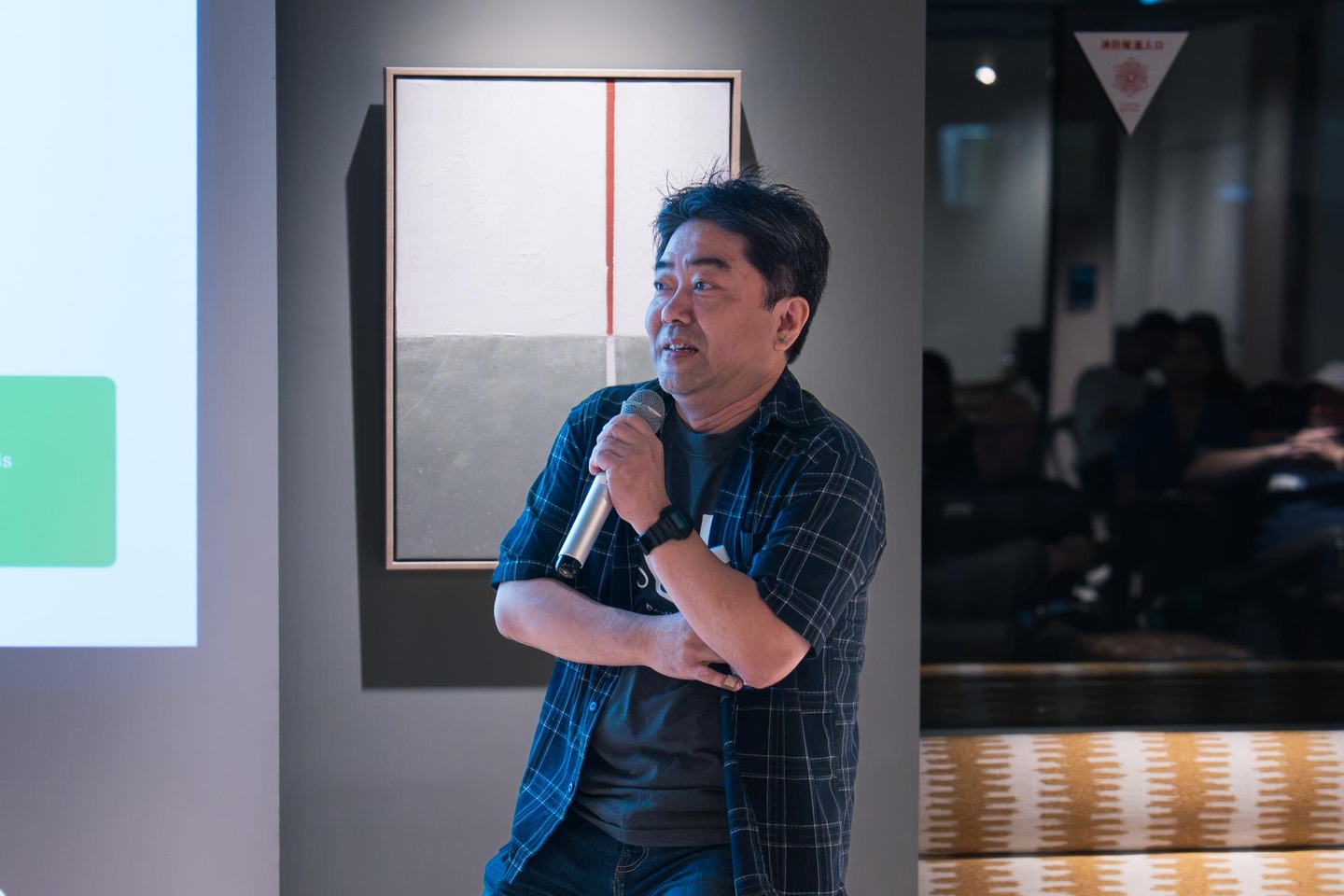
A dated view of the platform’s reach, fifteen years after launch.
The October conversation framed a continuing business question: how to earn revenue while keeping community central to the service. Greater reach does not settle that question. It puts more weight on the answer. A platform needs to support itself while remaining useful to the people whose reasons for gathering gave it meaning.
Harada’s January 2026 message had already set out the work ahead: strengthen the platform, deepen community value, develop the team and its culture. He treated those as ongoing commitments, and warned against taking comfort in the attractive language surrounding community. The ideals still had to produce results.
That leaves his story somewhere more interesting than a tidy arrival. The recognizable employers remain on the résumé. His father’s example of independence remains relevant. The company continues to depend on people willing to organize something and invite others along. Harada traded a future he could picture for work that keeps giving him another question.