At the first CreativeMornings gathering in Brooklyn in 2008, the elevator was broken, the coffee was cold, and the bagels were stale. That is how founder Tina Roth Eisenberg remembers it in an In the Works interview. People came anyway. She saw a reason to continue, then added a talk to soften the awkwardness of meeting strangers. The refreshments needed improvement. The desire for company needed somewhere to go.
- Free monthly breakfast talks, organized by local volunteers.
- Online workshops, a creative jobs directory, and small recurring Clubs.
- Partners, company memberships, and philanthropy help pay the bills.
The bagels were stale. The idea wasn’t.
CreativeMornings began as an accessible gathering for New York’s creative community. Its enduring format is almost suspiciously simple: breakfast, a short talk, and people from your own city. Each month brings a shared global theme, interpreted by local speakers. The audience might include a designer, an entrepreneur, an artist, or someone whose job contains none of those words. Professional credentials are optional. Curiosity does the work.
The distinction matters in a market full of ways to meet people. A conference offers concentrated expertise, often at a price. LinkedIn offers professional discovery. A local Meetup group can offer shared interests. CreativeMornings combines a recurring local appointment with a recognizable global framework. You can arrive without an elevator pitch and still have a subject to discuss. The speaker supplies the opening line.
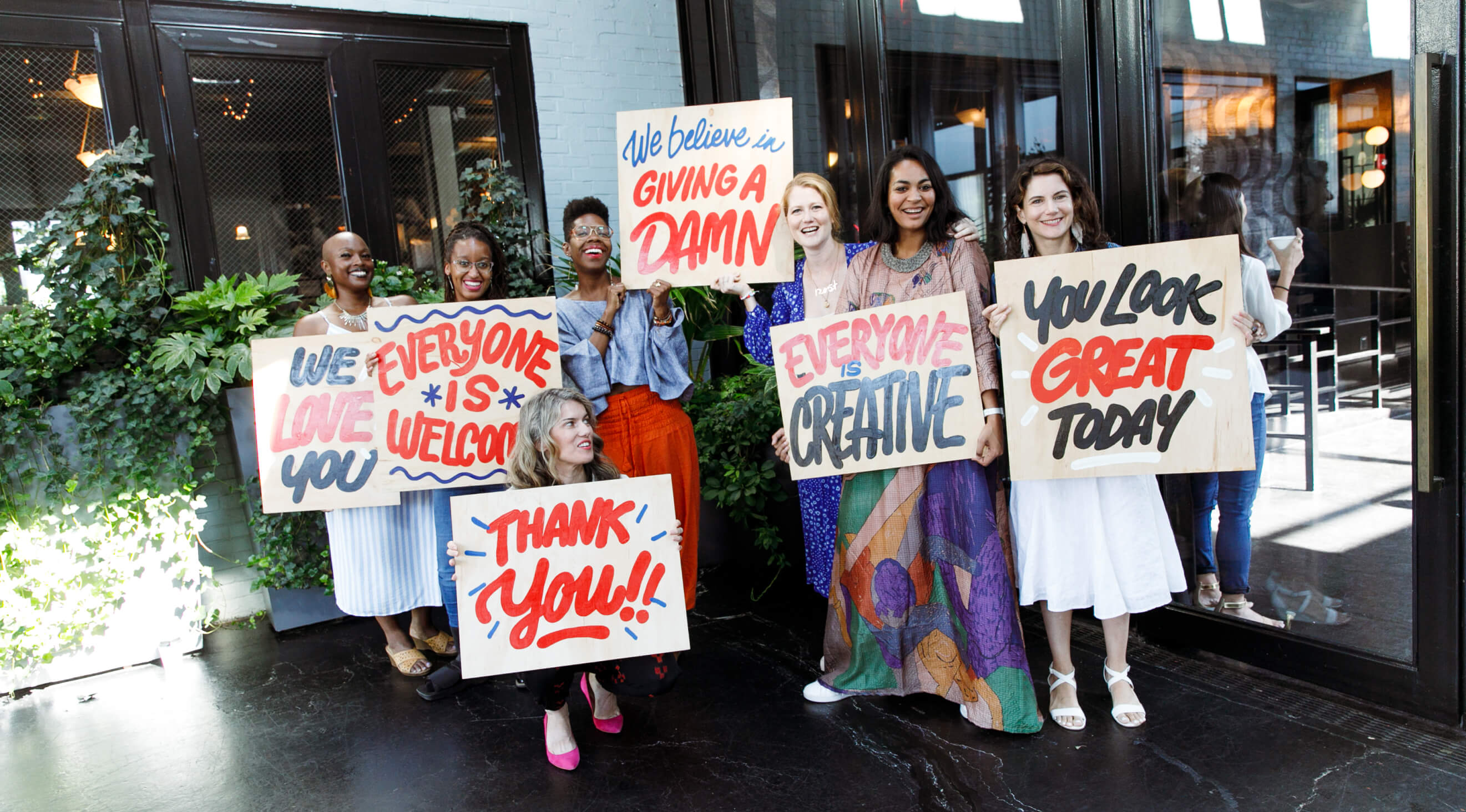
Its invitation is explicit: Everyone is creative. Everyone is welcome.
On the company’s homepage, that invitation now stretches across a reported 252 cities in 70 countries. Scale is useful here because it makes a familiar doorway available in unfamiliar places. But the experience still depends on the person who greets you in one particular room.
For a newcomer, the website is the practical front desk. Choose a city, follow its newsletter, and check the event page for ticket releases. Local teams choose their own speakers and venues, so a suggestion belongs with the chapter rather than a distant central booking office. That division gives attendees a route into helping shape the next gathering, too.
Someone pays for free
FreshBooks bought breakfast at the first gathering, according to CreativeMornings’ account of their partnership. That small transaction contains much of the operating logic. Admission can stay free when someone else contributes money, food, space, or labor. The attendee gets an uncomplicated invitation. Behind it sits a considerably more complicated arrangement of support.
Global partners help fund headquarters and shared projects. Local partners support city chapters. Volunteers arrange speakers, venues, photography, and the other details that make a gathering happen. Headquarters supplies branding, documents, tools, and guidance. Its organizer resources include a handbook, dashboard, and Slack community. A friendly room has an administrative life.
+ volunteer time→Chapter events
There is also a paid product. CreativeGuild, introduced in 2018, extends the network into company discovery and hiring. Individual profiles are free. The public membership page lists monthly company plans at $8 for solopreneurs, $35 for small companies, and $250 for large companies, with unlimited job posts. Those tiers sell visibility and recruitment access alongside the free community programs.
Philanthropy adds another source of support. In December 2024, CreativeMornings announced a $1 million grant from the Harnisch Foundation. Its giving program operates under fiscal sponsor Philanthropic Ventures Foundation. These are distinct forms of financing: a sponsor relationship, a company subscription, a charitable gift. None makes donated time disappear from the cost of running the network.
The venue disappeared. The invitation survived.
FieldTrips had a practical obstacle before COVID-19: finding willing venues. When the pandemic stopped in-person gatherings, CreativeMornings moved the experience onto Zoom. Its 2020 retrospective reported more than 300 Virtual FieldTrips and more than 1,000 virtual chapter events. A physical constraint had forced a different delivery system.
Today, Virtual FieldTrips are free, community-led experiences spanning crafts, professional skills, and personal exploration. They give someone outside a chapter city a way to participate. They also change the invitation from listening to trying something with other people. Online participation broadens access, although time zones and the demands of a live session still shape who can attend.
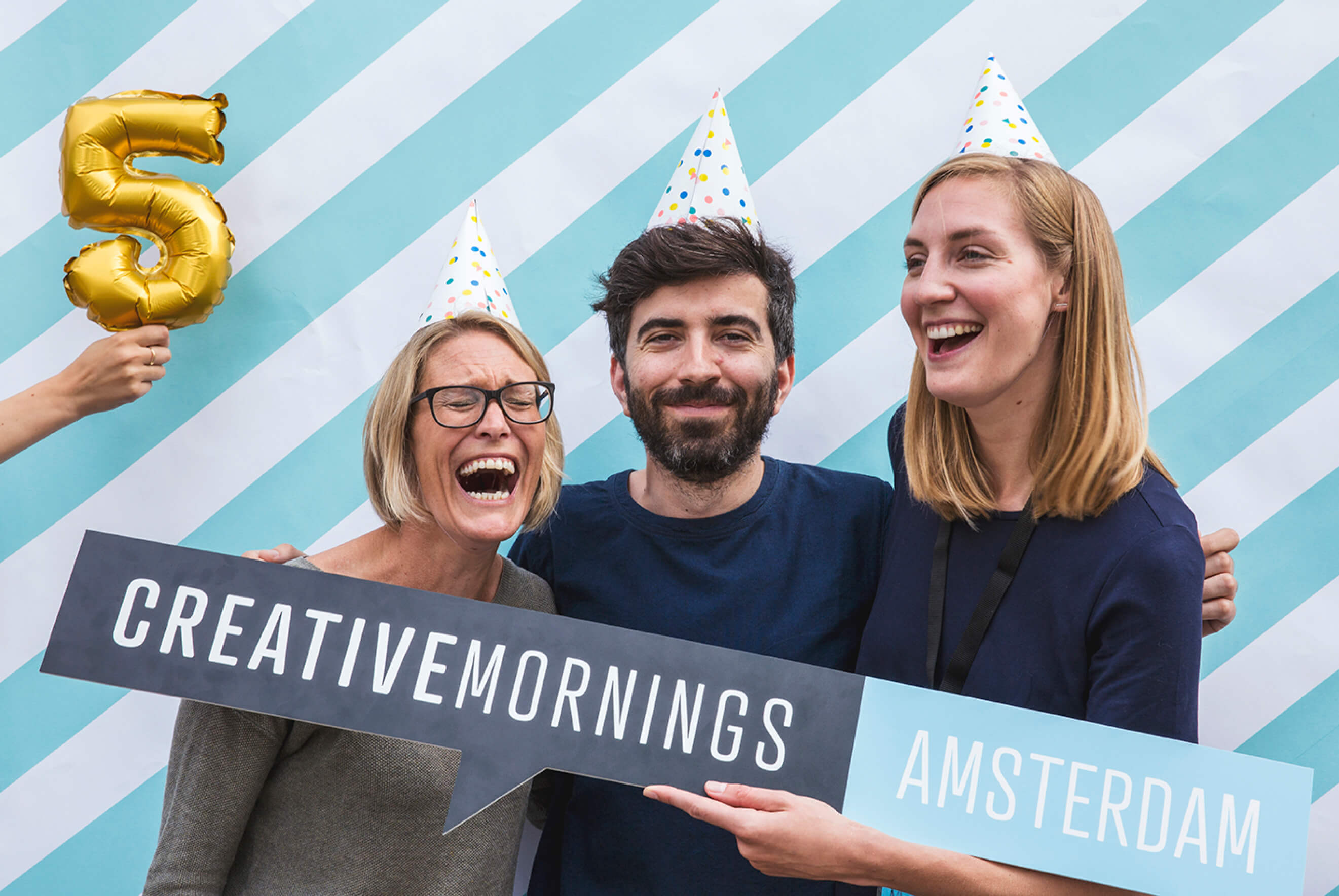
There are limits to the digital convenience. Standard FieldTrip replays are available for one week to people who registered, rather than as an indefinitely open course library. Recordings cannot be downloaded. A participant who wants to revisit a session should therefore register even if the live time is inconvenient. Someone seeking a formal qualification or a guaranteed hiring outcome will need a different service; these programs offer learning and connection, with outcomes left to participants.
From hearing a talk to shipping the work
Adobe joined as a global partner in 2024. In its December 2025 renewal announcement, CreativeMornings reported 18,000 participants in their Level Up virtual programming. The free workshop series addresses creative careers: finding work, building skills, and taking the next professional step. Here, the company’s community expertise becomes a route into practical learning.
Other additions make the gathering smaller. Clubs are recurring, community-led groups of roughly 10 to 20 people. An interest might be journaling, photography, or dumplings. The proposal is pleasantly ordinary: do something you like often enough that strangers become regulars. Availability varies by city, which is a useful reminder that community cannot be switched on everywhere at once.
In May 2026, CreativeMornings teamed up with Creative Quests and Adobe on Release Day. Participants received a shared May 29 deadline for personal projects, backed by workshops, accountability sessions, and a gallery. The problem being addressed was recognizable: a cherished idea can remain unfinished when nobody expects to see it. A communal release date gives that work an appointment.
A friendly room has an administrative life.THE COST HIDING BEHIND THE COFFEE
Borrow the ritual. Budget for the work.
The transferable idea is a manageable recurring invitation with a shared subject. Remove the ticket price if partners can cover it. Give local organizers usable resources. Leave space for local judgment. For attendees, the first step is simpler: find a chapter, check when registration opens, and reserve a seat. Events can fill, so free admission still requires planning.
The conditions matter. Someone needs time to organize; partners need reasons to contribute; participants need a feasible way to show up. A breakfast schedule will exclude some people. Volunteers cannot supply unlimited labor. CreativeMornings offers several formats because one room and one time cannot suit everyone. Its useful achievement is making the invitation repeatable, so meeting once can become knowing someone.