zero-knowledge-proofs
(11)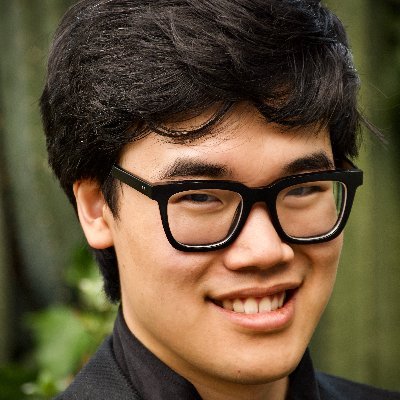
Michael Gao Is Building a Chip for the Mathematics of Trust
A teenage encounter with Bitcoin taught Michael Gao what specialized silicon could do. Now he is trying to give zero-knowledge proofs and advanced cryptography a computer architecture of their own.
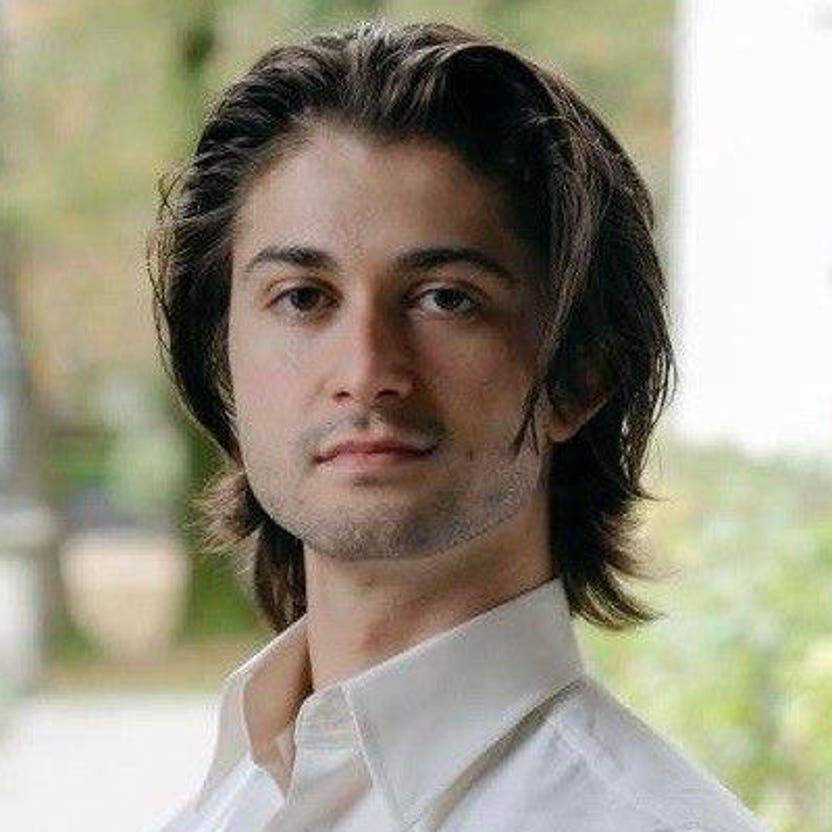
Anthony Anzalone Burned the Artwork. Now He Wants the Technology to Disappear.
A $95,000 Banksy went up in stubborn flames. Five years later, the founder behind the spectacle is still obsessed with proving what is real - only now the fire has given way to invisible infrastructure.
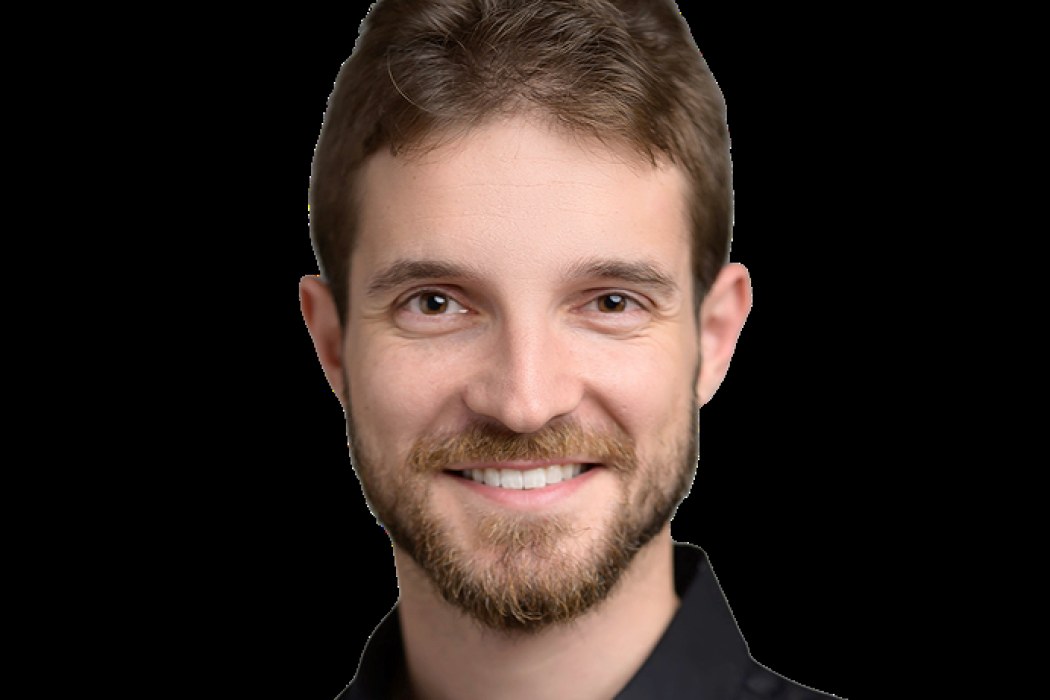
David Lazerson
David Lazerson is the co-founder and CEO of Briya, a healthcare technology company that connects hospitals, research institutions, and life sciences organizations so they can share de-identified, real-world patient data securely and in compliance with U.S. and European privacy rules. A physicist and cognitive scientist by training and a former Israeli military cyber operations officer, Lazerson built Briya on cryptography, federated learning, and zero-knowledge proofs, and in 2025 launched Briya AIRE, a clinical-grade AI research assistant that lets researchers ask questions in plain language instead of writing code.
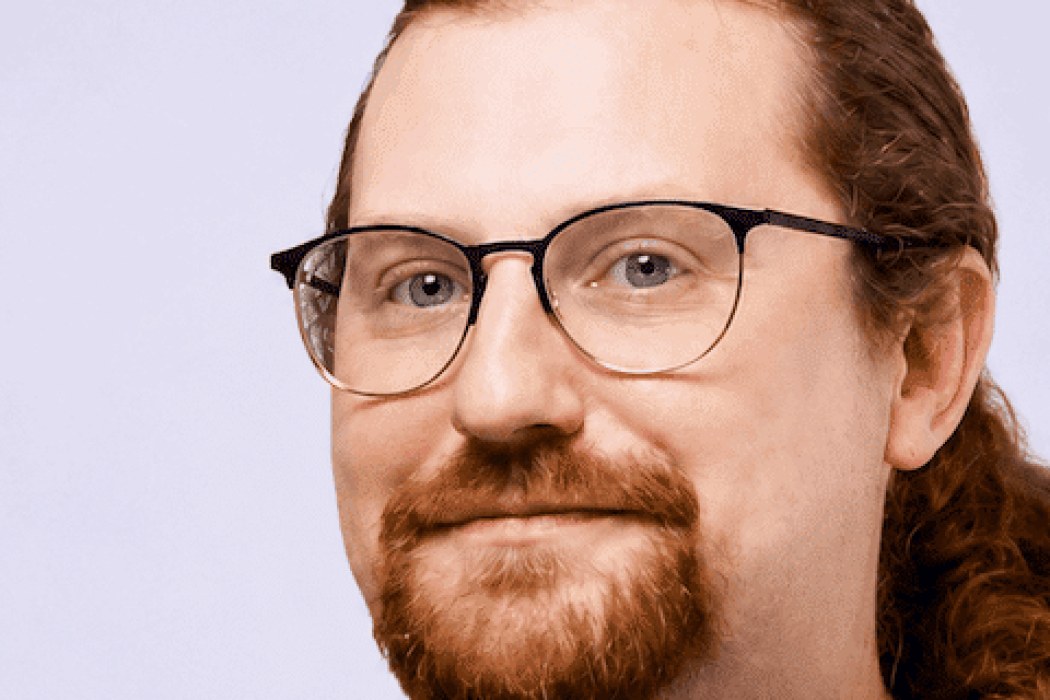
Jon Stephens
Jon Stephens is the CEO and co-founder of Veridise, an Austin-based blockchain security firm that brings academic formal verification to smart contract and zero-knowledge audits. A computer science PhD researcher at UT Austin, he built tools like SmartPulse and Zequal that grew out of his work on formally reasoning about programs, and turned that research into a company that has audited protocols including RISC Zero, Succinct, Semaphore, vLayer and Ankr. His mission is to make everyday users secure without asking them to think about security at all.
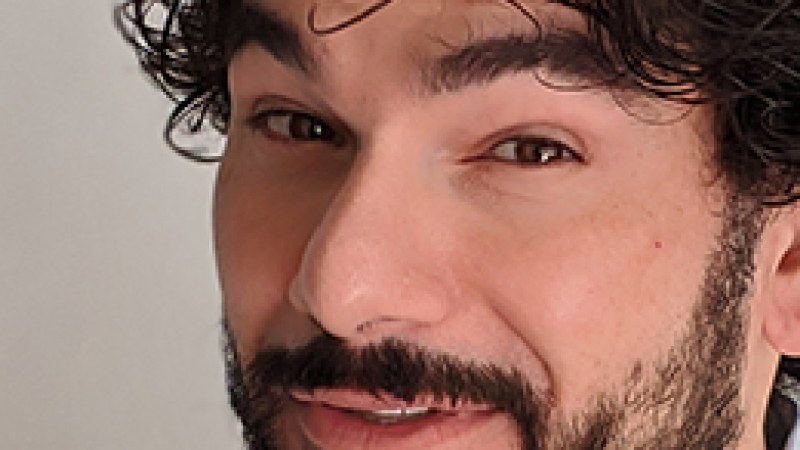
Riad Wahby
Riad Wahby is the co-founder and CEO of Cubist, a key management infrastructure company building hardware-backed, policy-driven signing for Web3. He is also an assistant professor of Electrical and Computer Engineering at Carnegie Mellon University and an applied cryptographer known for co-inventing the proof systems Lasso, Hyrax, and Brakedown and co-authoring the BLS signature standard (RFC 9380) used across Ethereum, Avalanche, and other chains. Before academia and entrepreneurship he spent a decade designing analog and mixed-signal chips at Silicon Labs and researched cryptography at Algorand.
Simanta Gautam
Simanta Gautam is the co-founder and CEO of Alpen Labs, a startup building zero-knowledge infrastructure to make Bitcoin scalable, private, and programmable. An MIT-trained engineer who earlier founded the airport-security computer-vision company Synapse Technology (acquired by Palantir, where he became AI Lead), he now leads a team turning Bitcoin's intentionally limited base layer into rails for global money. The mission traces to a personal detail: founders with roots in Nepal, where roughly a quarter of GDP arrives as remittances, saw firsthand how much money is lost to middlemen.
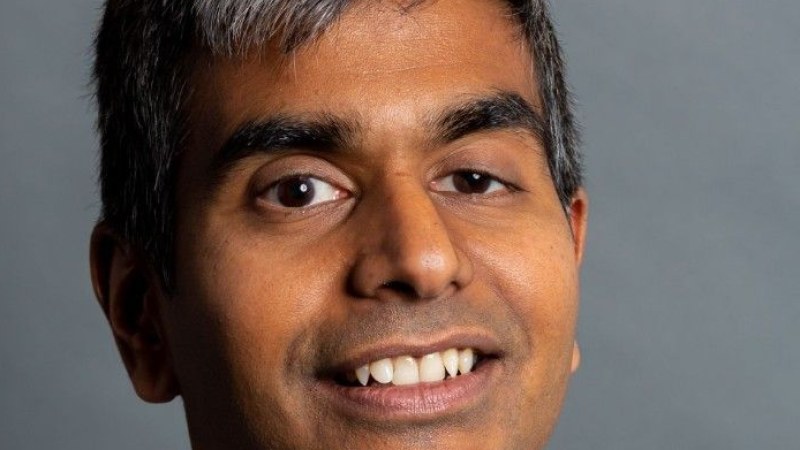
Colin Gounden
Colin Gounden is the co-founder and CEO of VIA (VIA Science), a Somerville, Massachusetts company building decentralized, quantum-resistant data and identity protection software used by global utilities and the U.S. Department of Defense. A Harvard biochemistry graduate turned serial founder, he previously built and sold a technology services firm with clients like Royal Dutch/Shell for roughly $97M (1999) and founded and sold the analytics firm Grail Research (2009). Since 2016 he has steered VIA from clean-energy analytics into privacy-preserving Web3 security, raising a $28M Series B led by Bosch Ventures in March 2025.
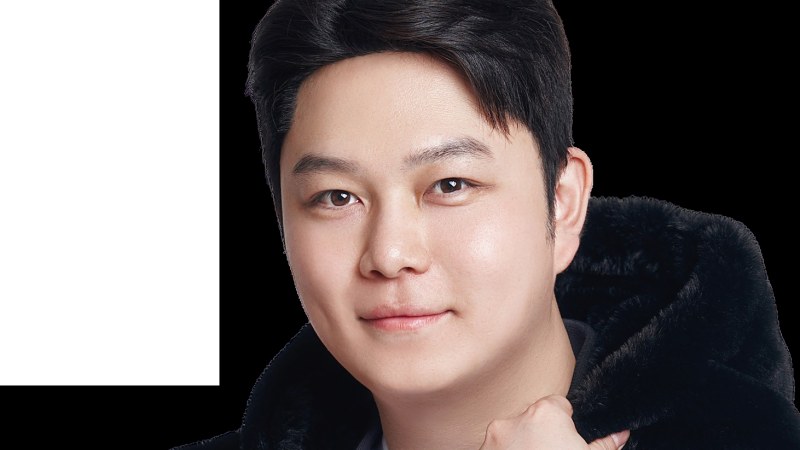
Yeongseon Park
Yeongseon Park is the founder and CEO of ATAD Corp., a Seoul-based company building an AI-powered multi-cloud operating platform called ODiiN and a multi-LLM security gateway called Heiimdahl. ATAD's pitch is blunt: most teams run too many clouds and understand none of them. Park's products promise to operate AWS, Azure, and GCP from a single panel, claim up to 80% cost savings, and wrap it all in decentralized, zero-trust security. The company has raised about $3.36M, closed a Series A, and openly targets a Nasdaq listing by 2027.
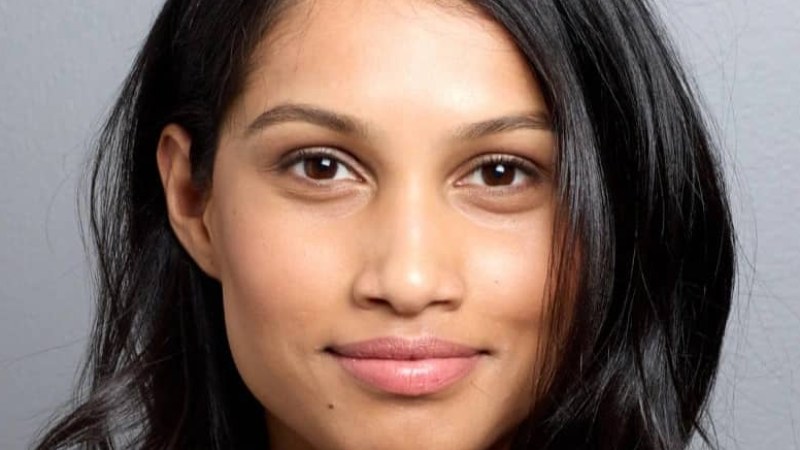
Uma Roy
Uma Roy is the co-founder and CEO of Succinct, the company building SP1 - the world's fastest open-source zero-knowledge virtual machine (zkVM). A former Google Brain AI researcher and MIT double major in mathematics and computer science, she pivoted from machine learning to cryptography to make zero-knowledge proofs accessible to every developer. Under her leadership, Succinct raised $55M led by Paradigm, launched a decentralized prover network, and positioned SP1 as critical infrastructure securing billions in TVL across major Layer 2 networks.
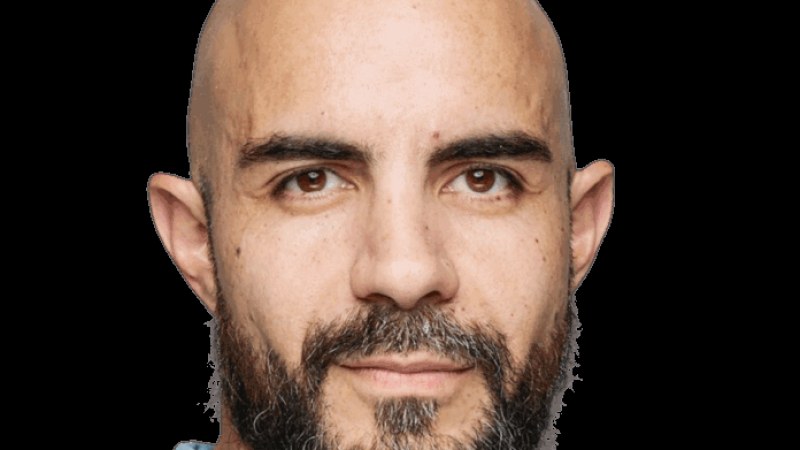
Ali Yahya
Ali Yahya is a General Partner at Andreessen Horowitz (a16z) where he leads the firm's crypto investing practice. A Stanford computer scientist and former Google Brain TensorFlow developer, he discovered Bitcoin in 2010 during security research and joined a16z in 2017 as its first full-time crypto investor. He has backed landmark bets including Solana and LayerZero, and is known for his deep technical thesis on privacy, zero-knowledge proofs, and the intersection of AI and crypto infrastructure. Off the charts, he runs a personal life operating system called walrOS built on 16 daily tracked habits and a spaced-repetition learning system.
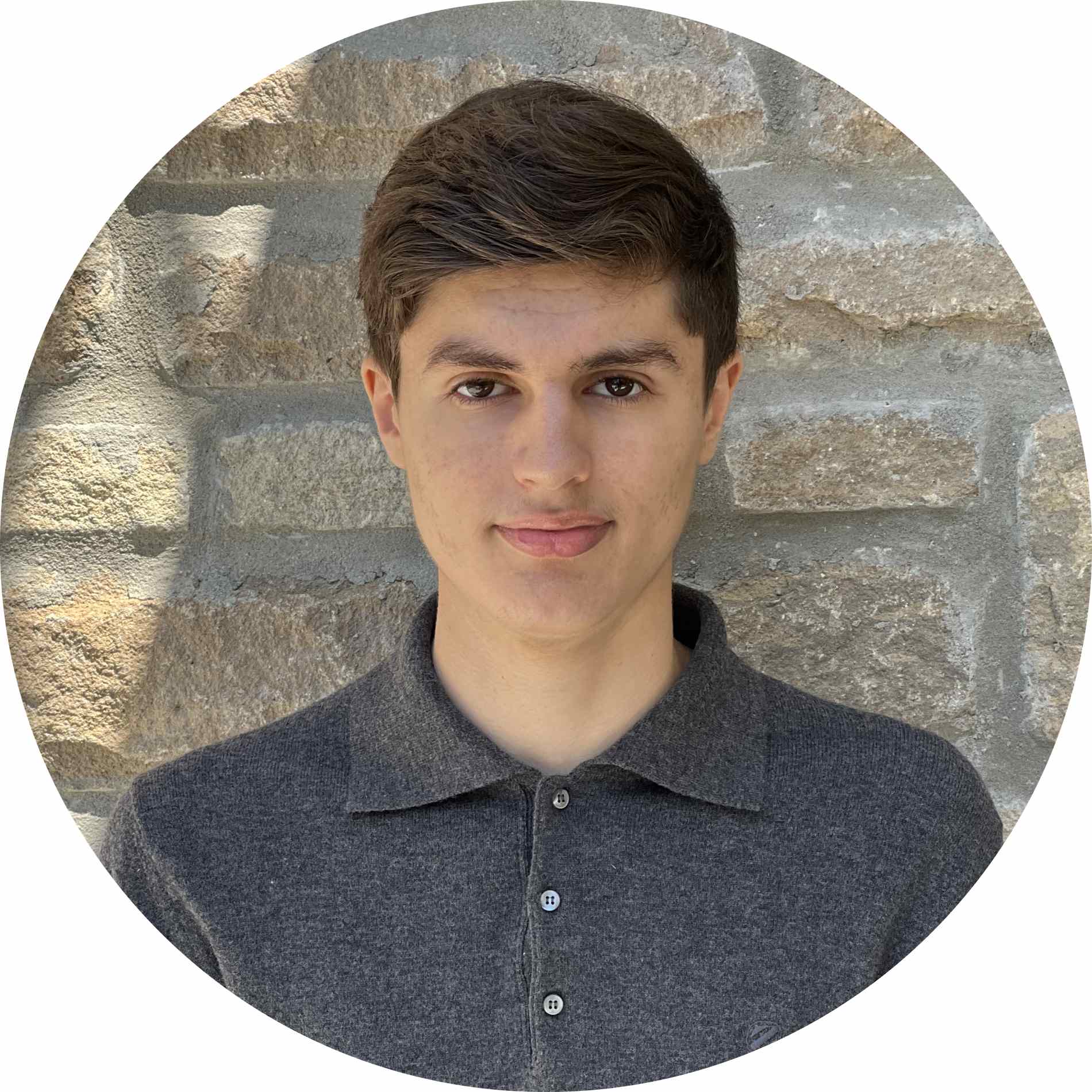
Markos Georghiades
Markos Georghiades is an Engineering Partner at Andreessen Horowitz's crypto division (a16z crypto), where he focuses on cryptography and core development of Jolt - a16z's open-source zero-knowledge virtual machine (zkVM). An undergraduate studying Computer Science and Mathematics at the University of Waterloo, he has co-authored multiple research breakthroughs: helping Jolt achieve a 6x throughput speedup (over 1 million RISC-V cycles/sec), enabling true zero-knowledge proofs via the NovaBlindFold technique, and implementing 64-bit proving without performance slowdown. His GitHub bio - 'sumcheck is love sumcheck is life' - says everything you need to know about where his obsessions lie.