world-economic-forum
(9)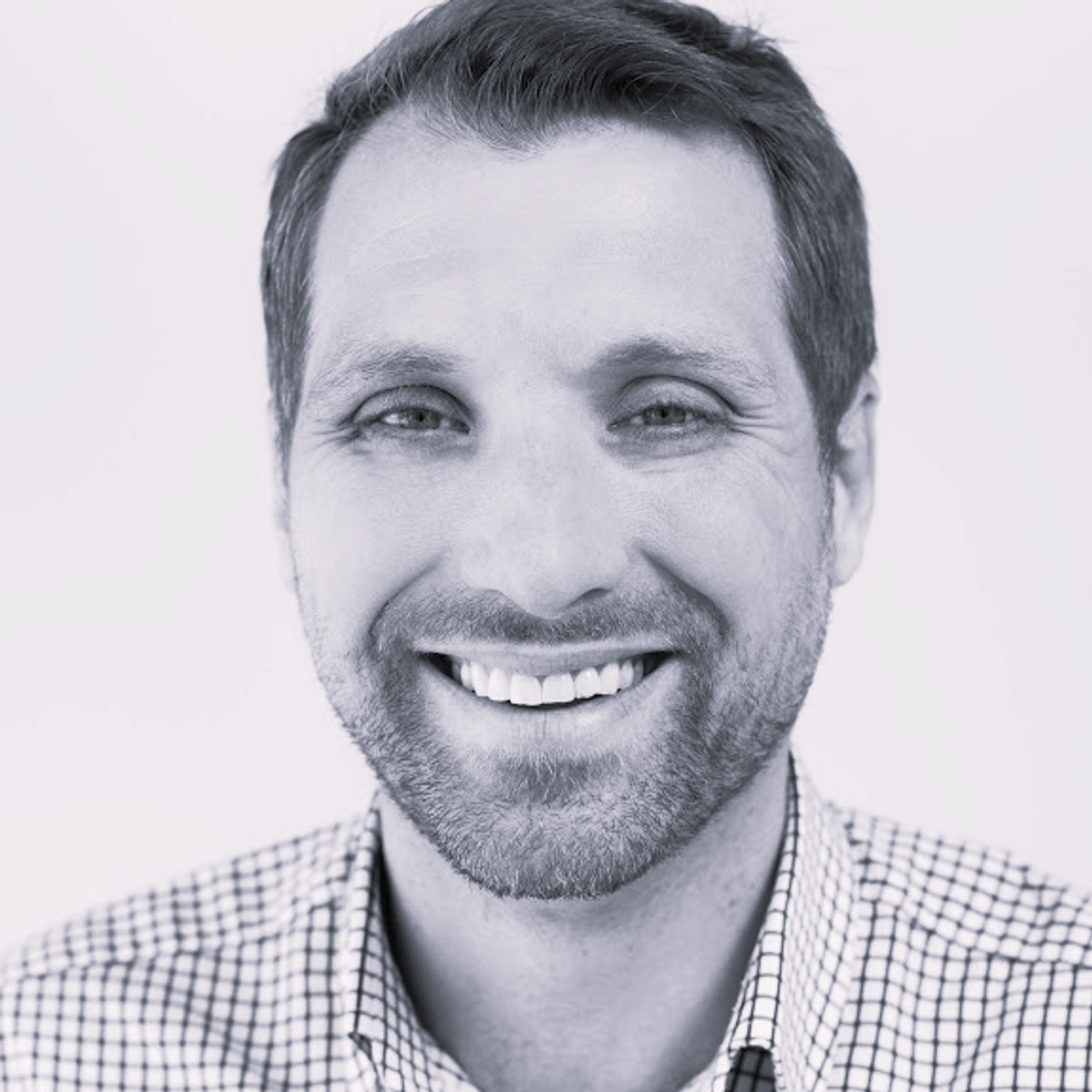
Marc Boxser Has Spent a Career Asking Technology the Awkward Question
From Charlie Rose to classrooms, Chegg and autonomous agents, Marc Boxser has made a profession of translating complicated technology into human consequences.
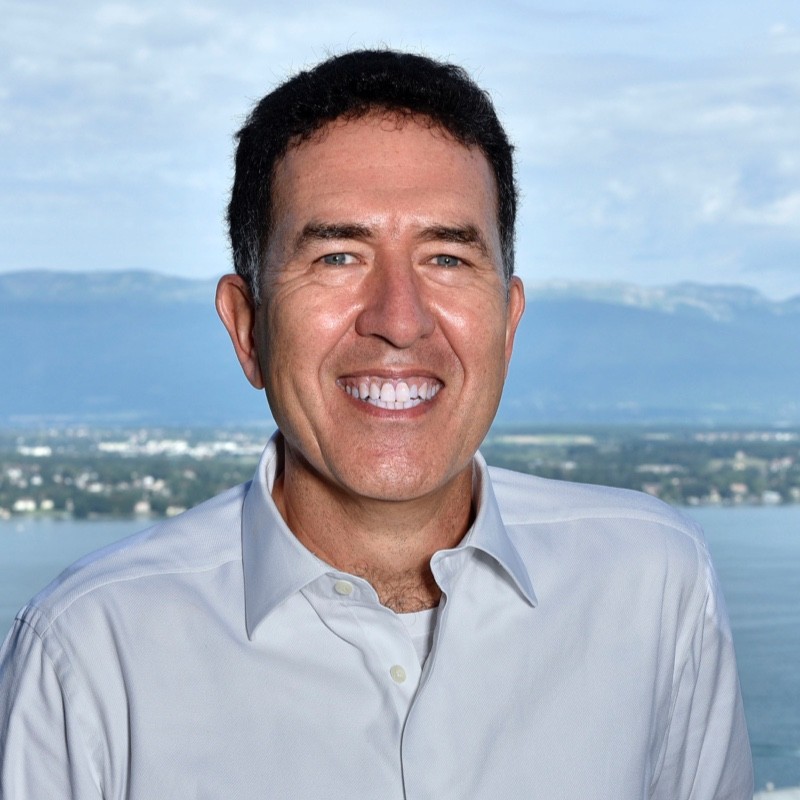
Murat Sönmez Is Building the Memory Sustainability Forgot
After decades making data move faster, Murat Sönmez is asking a harder question: can a company remember where every sustainability number came from? Pulsora is his answer - part software platform, part audit trail, and increasingly an operating system for decisions.

unDavos Crashes the World's Most Exclusive Party
The largest independent gathering in Davos runs parallel to the World Economic Forum with 3,000 delegates, 300 speakers and a promise to trade the velvet rope for a spirit of action.
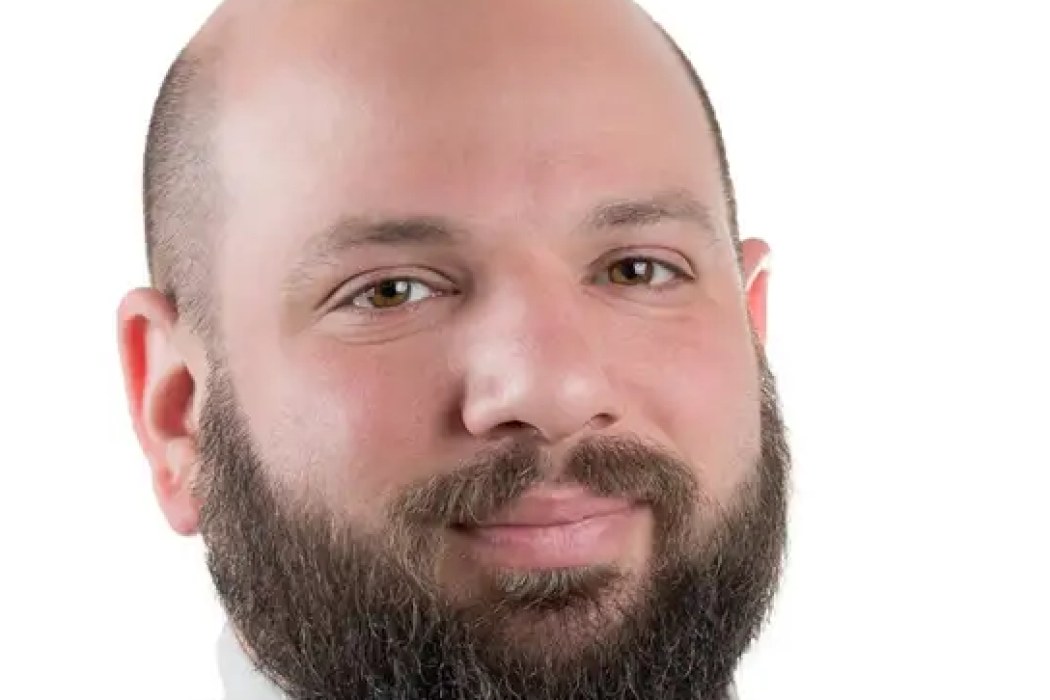
Eyal Feder-Levy
Eyal Feder-Levy is the co-founder and CEO of Zencity, a govtech company that uses AI to turn millions of resident interactions into actionable insight for local governments. An urban planner by training who came up through nonprofit community work in South Tel Aviv, he started Zencity in 2015 to give cities a routine 'finger on the pulse' of their communities. Under his leadership the company has raised roughly $93M, works across six countries, and serves hundreds of government agencies reaching hundreds of millions of residents.
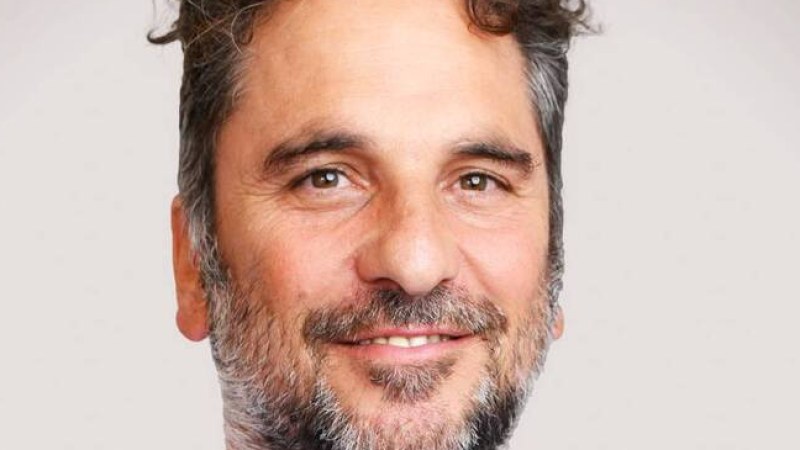
Irad Eichler
Irad Eichler is the founder and CEO of Circles, an app that puts people through the same life challenge - divorce, grief, infertility, caregiving - into small, professionally guided peer support groups they can join from a phone. A serial social entrepreneur who earlier built Shekulo Tov, Israel's largest organization for people with psychiatric disabilities, he was named Social Entrepreneur of the Year by the World Economic Forum. The idea for Circles came from watching his mother, in her final months with cancer, light up most not with him but with a friend who had walked the same road.
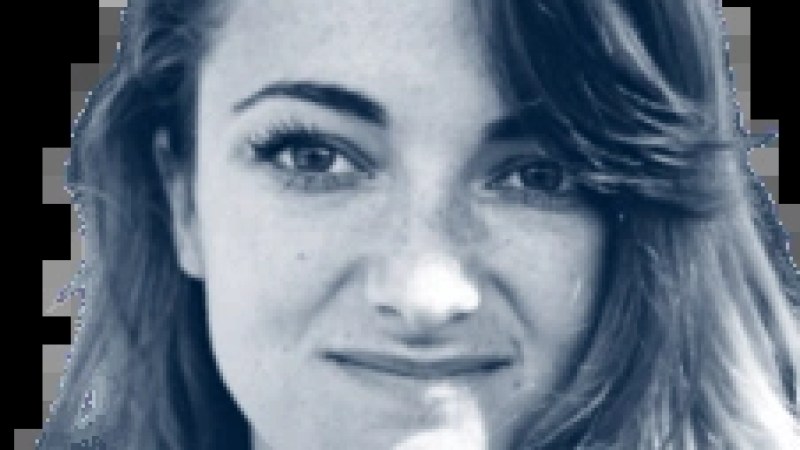
Rebecca Krauthamer
Rebecca Krauthamer is the co-founder and CEO of QuSecure, a San Mateo company building software that lets governments and banks swap out their encryption before quantum computers learn to break it. A Stanford Symbolic Systems graduate who jumped from AI to quantum in 2017, she turned a U.S. Air Force grant into a Series A-funded leader in post-quantum cryptography, counting the U.S. Army, Air Force, and Banco Sabadell among its users. A Forbes 30 Under 30 honoree and World Economic Forum council member, she argues cybersecurity is a mission for humanity, not just a product category.
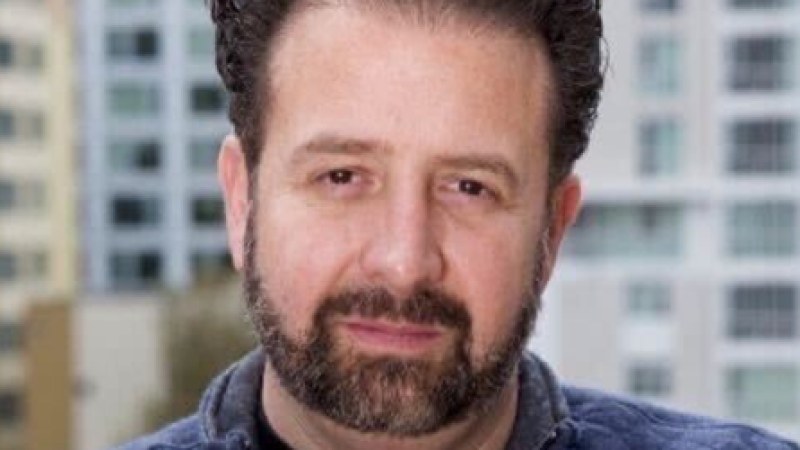
Ricardo Amper
Ricardo Amper is the Founder and CEO of Incode Technologies, a San Francisco-based AI-powered identity verification unicorn valued at $1.25 billion. A Mexican-born serial entrepreneur with two prior exits totaling ~$200 million, Amper built Incode from a near-failed social media startup into a global leader in biometric authentication and KYC/AML compliance — processing over 4 billion identity checks for clients including Citi, Nubank, Ford Credit, and government agencies. He is a World Economic Forum Technology Pioneer contributor, a champion of Gen Z hiring, and the driving force behind Incode's DeepSight deepfake-detection platform.
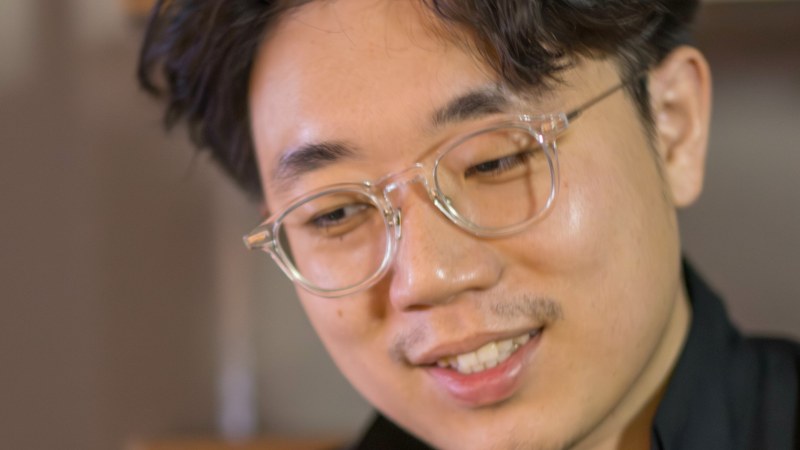
Honghao Deng
Honghao Deng is the CEO and co-founder of Butlr, a San Francisco-based Physical AI company that uses anonymous thermal sensors to understand how spaces are occupied - without cameras or personal data. A Harvard GSD MDes graduate and MIT Media Lab researcher, Deng spun Butlr out of MIT in 2019 alongside co-founder Jiani Zeng. The company has raised over $105M in venture funding, deployed 30,000+ sensors across 22 countries, and processes 1 billion data points daily. Deng is a Forbes 30 Under 30 honoree (2022), a World Economic Forum Technology Pioneer, and the inventor of 'Illusory Material' - a multi-material 3D printing breakthrough named one of TIME Magazine's 100 Best Inventions of 2021.
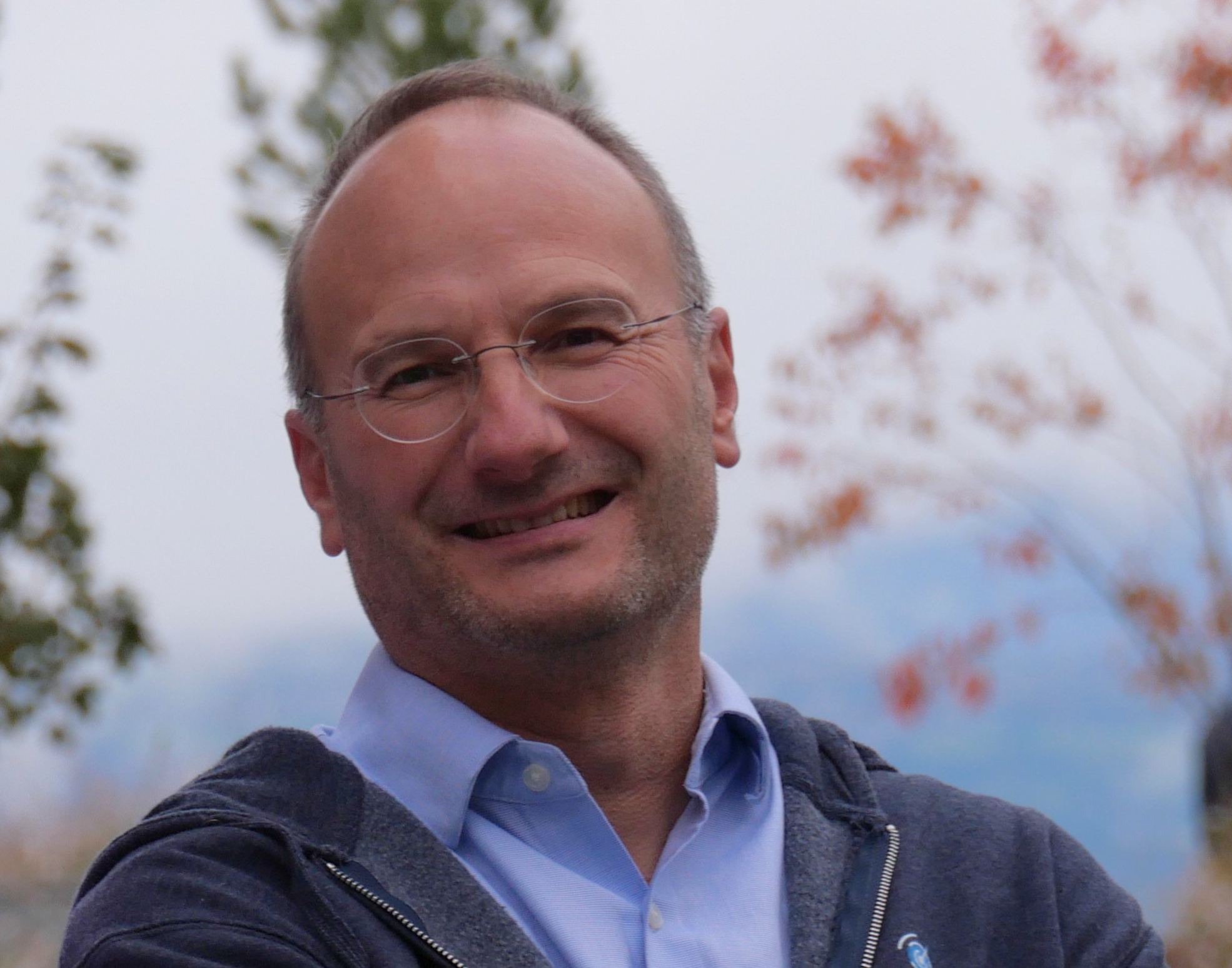
Hermann Tribukait
Hermann Tribukait is the co-founder and CEO of Atinary Technologies, a Lausanne- and Silicon Valley-based deeptech startup that built SDLabs — a no-code AI/ML platform compressing years of R&D into days. A Harvard-trained economist who helped coin the term 'Self-Driving Labs®' in 2017, Tribukait has channeled a career spent brokering $200M+ in global R&D partnerships into software that lets machines design experiments, learn from results, and iterate without human bias getting in the way. Atinary's tools are now used in pharma, biotech, chemicals, and climate tech, with a physical self-driving lab open in Boston since early 2026.