workplace-technology
(15)
Dinesh Malkani and the puzzle of the empty desk
After leading Cisco in India and SAARC, Dinesh Malkani helped build Smarten Spaces around a deceptively ordinary question: how do you get the right people into the right space, at the right time? His answer makes room for software, singing games, and the occasional pizza call.

Brian Muse Built Software for the Office. Then the Office Vanished.
Robin's co-founder spent a decade teaching rooms to understand people. The harder lesson arrived when people stopped going to rooms at all.

Kamal Mahyuddin Kept Choosing the Work Before It Looked Important
Before workplace software became a category, a Malaysian Rubyist arrived at Envoy as its second engineering hire. The quiet thread through his career is a taste for useful infrastructure - the kind people notice only after it works.

Diane Carlson Makes Complicated Technology Feel Like the Next Obvious Step
After three decades selling everything from secure deal rooms to invisible biometrics, Modo Labs' chief marketing officer has learned that well-designed technology does not demand attention. It quietly clears the way.

The Customer Is Already Talking: Meg Swanson’s Job Is to Make Software Listen
After two decades translating technical products into human choices, Eptura’s Chief Market Officer now runs product, marketing, and user experience together. Her thesis is disarmingly practical: listen closely, connect the data, and remove the friction people have learned to tolerate.

Poppulo Quit Chasing Customers. Now It Helps Bosses Reach 50 Million Employees
The Irish software company escaped a crowded email market by going narrow. Three decades, several mergers, and 600,000 screens later, it is betting that the next corporate battleground is not sending more messages - it is proving that anyone noticed.
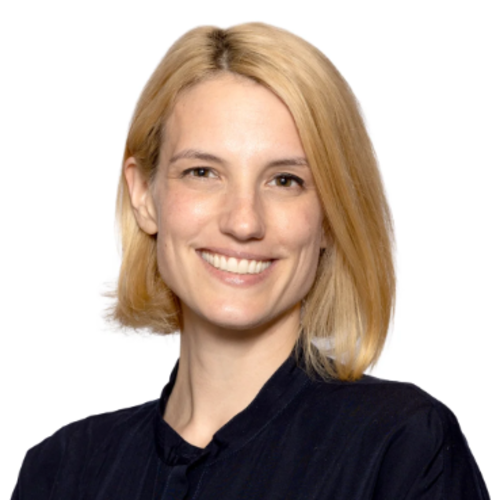
Karen Bucks Is Teaching the Office to Explain Itself
The former software founder and longtime SaaS marketer has a new brief: turn floor plans, badge swipes and office politics into a story the C-suite can actually use.
Lakeside Software Put a Black Box on the Corporate Laptop - Now It Wants IT to Fix Problems Before Anyone Complains
Most help desks wait for a ticket. Lakeside Software built SysTrack to watch the machine, reconstruct the failure and give IT a chance to act first - a useful idea whose value depends less on another dashboard than on changing how support teams work.
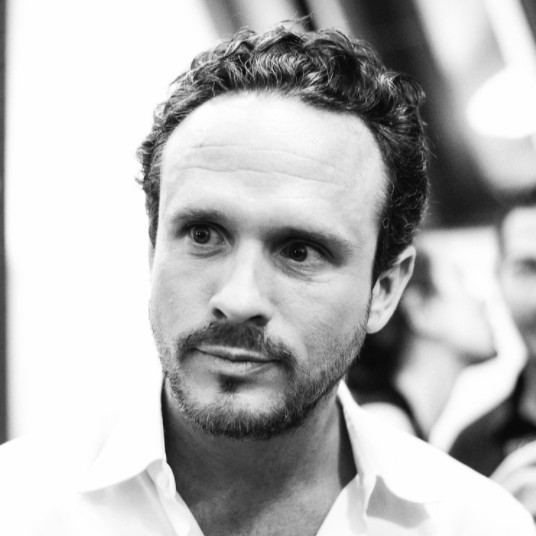
Christophe Garnier Wants to Delete the Empty-Desk Tax
After mobile ads, a bruising e-commerce collapse and a coworking detour, the Upflex co-founder found his durable idea in real estate’s least glamorous fact: paid-for desks sitting empty.

The Microsoft Executive Who Thinks Your Next Colleague Is Software
Jared Spataro spent two decades helping Office become a service and Teams become a workplace. Now he is selling a stranger idea - software will go beyond assisting the organization and join the org chart.

Dan Bladen Found a Better Office Inside a Broken Charger
A wireless-power founder watched his market disappear, rebuilt the company around a light ring, and came away with a sharper idea: the office should earn the commute.
HP Is Turning the Office Supply Closet Into an AI Business
The company that put calculators in pockets and printers beside desks now wants to manage the whole workplace - PCs, rooms, security, support and AI included. Its advantage is not novelty. It is the unglamorous power of being everywhere work already happens.

Your Boss Has All Your Work Data. Why Don't You?
A Go2 Newsroom story explaining the company's worker-empowerment product philosophy behind its management platform. Rather than functioning as a worker-monitoring system, Go2 positions the platform as a bottom-up aggregator of worker behaviors that gives employees useful access to their own work data and a directory of AI tools. The same system that helps managers see what people are working on is meant to help workers understand expectations, sharpen skills, and make better decisions about how they work.
PTS
PTS is a global, independent, employee-owned technology consultancy that designs the digital nervous system of buildings - connecting people, technology and space across workplaces, data centres, campuses and smart infrastructure. Founded in 1983 and headquartered in London, PTS advises on everything from audio-visual and networks to cyber and physical security, helping organisations transform their real estate through technology while improving user experience, wellbeing and sustainability.
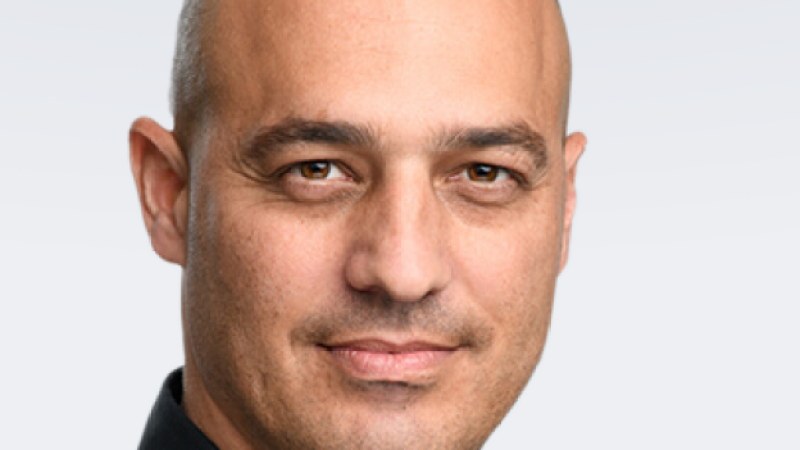
Asaf Ganot
Asaf Ganot is the co-founder of ControlUp, the company that pioneered the Digital Employee Experience (DEX) management category. He spent a decade as CEO building ControlUp from an Israeli VDI monitoring tool into a global enterprise software leader backed by $141M in funding, before transitioning to Executive Chairman and CEO of ControlUp Labs in 2023 to focus on product vision and innovation.