workforce-training
(20)
SBPEA traded independence for a bigger voice
In 2015, San Bernardino’s public employees association voted to become Teamsters Local 1932. The wager was practical: more bargaining power over pay, healthcare and the rules of working life.
QA Apprenticeships puts the day job on the syllabus
A Costa Coffee apprentice forecasting cup waste captures QA’s pitch: learn a technical skill, then put it to work. The harder part is making room for learning inside a working week.
TTC Put the Speed-Awareness Class on a Screen - Then Turned Road Risk Into Software
A family training business became Britain’s most visible classroom for drivers who would rather learn than collect points. Its next trick is harder: proving that the same mix of data, instruction and behaviour change can travel far beyond the road.
KPA Spent 40 Years Expanding. Then It Put the Whole Company Back in the Dealership.
The compliance company built a broad industrial software portfolio, then split it apart. Now KPA is betting that 150 consultants, 400-plus courses, and one dealer-specific dashboard beat a generic safety platform.
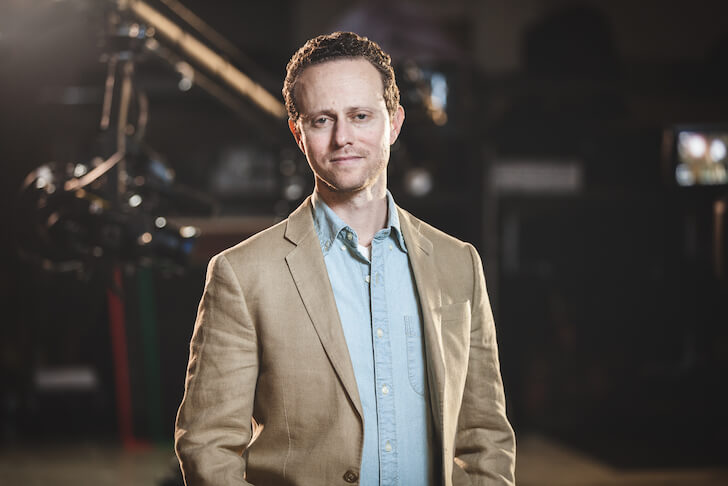
Max Simon Put Cannabis on the Course Catalog
A consultant told him cannabis education should not exist. A decade later, Max Simon is building credentials with dozens of colleges and a hiring network designed to turn knowledge into work.

Green Flower Turned Cannabis Confusion Into a College-to-Career Pipeline
The company began by streaming expert cannabis videos. A decade later, its sharper product is a credentialing machine that connects colleges, workers and operators in an industry still writing its rulebook.
DeweyLearn Put an AI Assessor in the Room - Now It Has to Earn the Expert's Trust
The New York startup moved beyond chatbot-style tutoring to judge what people actually do - from knife work to therapy practice. A $5 million Series A gives it room to prove that expert feedback can scale without becoming generic surveillance.
The SEER Group Is Buying the Companies You Call When the House Breaks
The home-services platform has a deliberately quiet pitch: keep the name on the truck, keep the operator in the driver’s seat, and put a larger machine behind both.

Cengage Group
The company that once filed for bankruptcy owning the textbook now rents you every book it makes for the price of one - and it is quietly rewiring how students, libraries, and job-seekers learn.

Stride, Inc.
Stride built a multibillion-dollar business by turning the school building into a service - then stretched that machinery from kindergarten lessons to job credentials. Its next test is whether a sprawling education portfolio can stay personal while operating at public-company scale.

ArcLab
ArcLab is a Singapore-based mobile learning SaaS platform built for the frontline deskless workforce - the roughly 2.7 billion workers who don't sit at desks. Organisations use its AI-powered tools to turn documents into bite-sized 'nano learning' modules, deliver them on mobile in any language, and track uptake, compliance and skills gaps. It serves construction, logistics, manufacturing, food & beverage, retail and non-profit teams across Southeast Asia.

Climb Credit
Climb Credit is a New York-based fintech lender that finances career-focused education such as coding bootcamps, trucking, healthcare, cosmetology and aviation programs. It partners with vocational schools to offer private loans and interest-free recurring payment plans, using an AI-driven credit model built on more than 150 data points so applicants with limited credit history can still qualify. Founded in 2014, Climb has funded tens of thousands of learners and vets partner schools to ensure programs actually improve graduates' earning potential.
DeepHow
DeepHow is a Detroit-based enterprise AI company that turns the hands-on know-how of experienced industrial workers into structured, searchable training. Founded in 2018 by former Siemens innovation leaders, its platform uses vision AI and machine learning to capture expert workflows on video, automatically segment and transcribe them into step-by-step guides, and - in its newer 'physical AI' products - verify that frontline operators are performing tasks correctly in real time. Used by manufacturers, pharma companies and field-service organizations to close skills gaps as veteran workers retire.

Made Scientific
Made Scientific is a Princeton, New Jersey-based contract development and manufacturing organization (CDMO) focused exclusively on cell therapies. Formerly BioCentriq, it was rebranded in March 2025 and is backed by South Korea's GC Corporation. The company runs a 60,000 sq. ft. GMP facility with five ISO 7 / Grade B cleanrooms, offering process and analytical development, GMP manufacturing of autologous and allogeneic products, aseptic fill and finish, QC release testing, regulatory consulting, and workforce training, taking cell therapy programs from preclinical development through commercial supply.

100mentors
100mentors is an Athens-based company that helps organizations adopt generative AI - with people, not just tools, at the center. Founded in 2015 as an on-demand mentorship platform that connected 21,000+ students across 17 countries with 2,500+ mentors from top universities and companies, it pivoted with the rise of generative AI into an enterprise partner offering AI upskilling bootcamps (GenAI Academy), an AI-powered meeting tool (Wiserwork), and the GenAI Summit, positioned as one of Europe's largest generative-AI leadership conferences.

Inspirit
Inspirit is a Palo Alto-based education technology company building a spatial-computing platform that brings virtual and augmented reality into STEM, career, and workforce learning. Its no-login library of 270+ interactive 3D models and simulations runs across VR headsets like Meta Quest and Pico as well as ordinary Chromebook browsers, letting teachers and trainers plan, run, and track immersive lessons without heavy hardware budgets. Founded by Stanford Graduate School of Education researchers, Inspirit grounds its content in learning science and is used across hundreds of school districts and, increasingly, in workforce and justice-reentry programs.
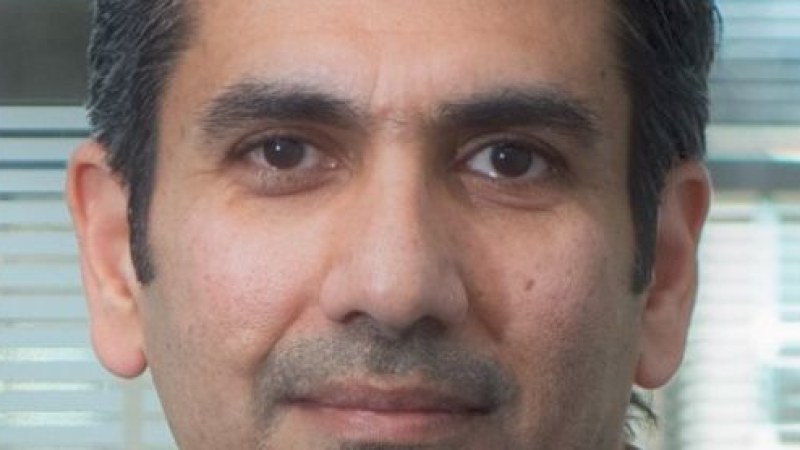
Ali Merchant
Ali Merchant is the founder and CEO of iQ3Connect, a Woburn, Massachusetts company building a web-based, ultrafast XR platform that lets enterprise teams step into shared 3D spaces for design review and training straight from a browser - no heavy installs, no specialized hardware required. An MIT-trained aeronautical engineer with a Ph.D. in turbomachinery, he spent two decades building high-performance 3D design and simulation software for aerospace before turning a decade-plus of MIT research into a platform that aims to make immersive 3D as easy to build as a slide deck and as collaborative as a video call.

Yiorgos Nikoletakis
Yiorgos Nikoletakis is the co-founder and CEO of 100mentors, an Athens- and San Francisco-based edtech company that started as a platform connecting young people with mentors worldwide and has since pivoted into generative-AI skilling for organizations. A Fulbright scholar with degrees from AUEB, Ohio State, and Columbia, he describes his job as teaching people to ask better questions, use GenAI well, and keep humans in the loop. His personal motto: arguing like he's right, listening like he's wrong.
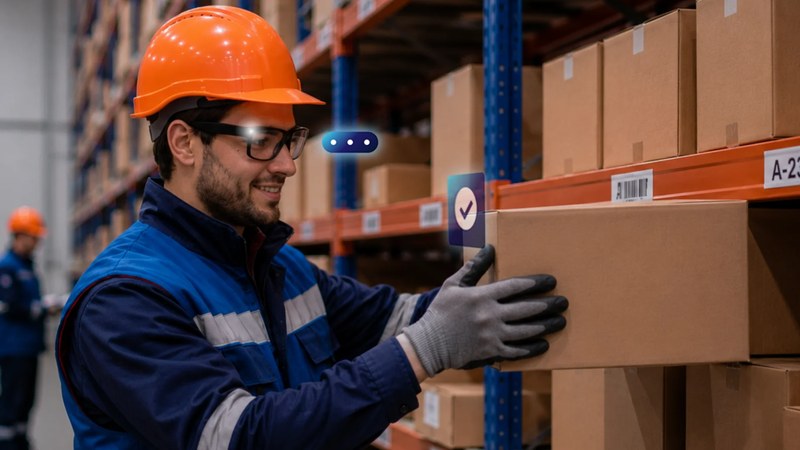
STRIVR
STRIVR is a Santa Clara workforce-performance company that began by putting Stanford quarterbacks in virtual reality and now puts AI on the factory floor. After pioneering enterprise VR training for Fortune 1000 giants like Walmart, Verizon and Bank of America, STRIVR has shifted from preparing people for work to guiding them inside the flow of work - building hands-free, smart-glasses AI that detects and corrects operational mistakes in real time and turns expert know-how into instant visual instructions.

Derek Belch
Derek Belch is the founder and CEO of STRIVR, the enterprise virtual reality training company he spun out of Stanford's Virtual Human Interaction Lab in 2014. A former Stanford kicker turned graduate assistant football coach, Belch built a VR prototype to give quarterbacks mental reps off the field, then pivoted the company from sports to the Fortune 1000. STRIVR has since trained more than a million workers in VR for clients including Walmart, Verizon, Bank of America and the NFL, and has raised roughly $87.5 million through a Series B.