visual-collaboration
(13)
Oleg Shardin Put a Whiteboard on the Internet. Then He Went Looking for a Story.
Before remote work made the digital canvas feel inevitable, Shardin helped build one from a practical annoyance in Perm. His second act trades sticky notes for screenplays, while keeping the same fascination with how people understand one another.

Andrey Khusid Put the Whiteboard in a Browser. Then the World Caught Up.
A boy who rehearsed newspaper pitches at a tram stop built an infinite canvas for more than 100 million people. Fifteen years later, his neatest diagram has become his hardest decision.

Wondershare Edraw sells a head start on the blank page
A floor plan, a hiring process, a factory bottleneck: Edraw puts them in the same drawing toolbox. Its bet is that the hardest part of explaining an idea is getting the first useful version onto the page.

Involve makes the video call fit the hospital
A working camera is only the beginning. Involve Visual Collaboration builds the rooms, waiting rooms and support services that let healthcare teams get on with the appointment.

Nathan Rawlins Makes Enterprise Software Feel Human
From Jive’s social-business era to Puppet’s grown-up rebrand and Lucid’s viral dog diagrams, Nathan Rawlins has spent two decades giving serious software a pulse. Now he is drawing the map between AI promise and the untidy way work actually happens.

Lucid Turned a $100 Ad Bet Into Corporate America’s Shared Brain
Lucid began with a rough browser prototype and about $100 in ads. Now its diagrams, whiteboards, and roadmaps sit inside the workflows of 99% of the Fortune 500 - and the next bet is turning all that visual context into fuel for AI.
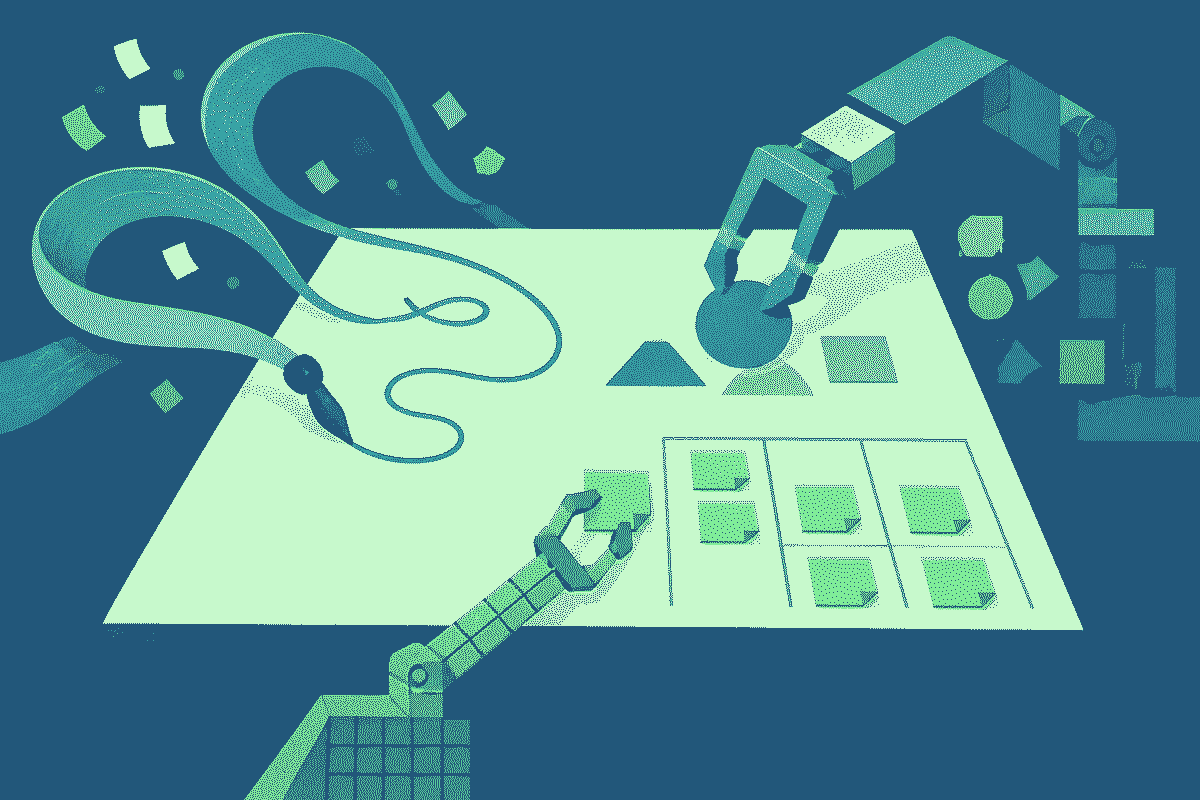
The Whiteboard War Is Really a Budget War
Miro sells a room for collaboration. FigJam and monday.com sell a reason not to buy another room - and that changes how teams should choose.

The Whiteboard War Nobody Bought And Everybody Won
FigJam only stayed independent because a twenty billion dollar Adobe deal fell apart in 2023. Now it and Miro are fighting over the same blank canvas - and picking one says more about your team than the pricing page ever will.

Figma
Figma won by turning interface design into a shared room. Now the public company is trying to make that room the place where ideas, code, AI and the people with opinions about all three finally meet.
iObeya
iObeya is a French enterprise SaaS company that digitizes the Obeya - the Lean 'big room' where teams manage strategy and operations visually. Its Digital Obeya Platform recreates the paper-on-the-wall experience of physical war rooms as connected virtual boards, letting multisite and hybrid teams run Lean rituals, Agile ceremonies, KPI reviews and problem-solving in real time. Founded in 2011 out of work with PSA (now Stellantis), iObeya is used by large industrial and regulated organizations such as Airbus, Thales, Sanofi and Schneider Electric to align leadership and frontline teams and accelerate decision-making.

Mural
Mural is the AI-powered visual workspace where distributed teams run workshops, map ideas, and make decisions together. Born in Buenos Aires in 2011 and headquartered in San Francisco, the company powers visual collaboration for most of the Fortune 100, including IBM, Atlassian, Intuit, and Autodesk.
Afshan Azhar
Afshan Azhar is the Chief Executive Officer of Mural, a leading visual collaboration platform headquartered in San Francisco, California, with over 900 employees and $193 million in total funding. Based in Islamabad, Pakistan, Azhar leads a company that has become a cornerstone of enterprise collaboration - enabling remote and hybrid teams to brainstorm, map customer journeys, run design sprints, and facilitate workshops through an AI-powered digital canvas. Mural serves thousands of enterprises globally, integrating deeply with Microsoft 365, Slack, and other productivity ecosystems.

Leigh-Margaret Stull
Leigh-Margaret Stull is the CEO of Mural, the visual work platform trusted by 95% of Fortune 100 companies. Appointed in July 2024, she brought over 25 years of operational and product leadership to the role, having previously served as COO and CPO at CareerBuilder. A Kentucky native now based in San Francisco, she is driving Mural's AI-first strategy around the conviction that empathy, creativity, and trust are the capabilities AI can amplify but never replace.