vaccine-development
(4)
Jose Galarza Built a Vaccine Company Around a Perfect Fake
For more than two decades, the Argentine-trained virologist has run TechnoVax on one durable idea: build convincing copies of viruses, leave out the genetic machinery, and make the platform do more than one job.

The Tiny Vaccine Lab With a $10 Million Head Start - and No Human Trial Yet
TechnoVax has spent two decades making convincing copies of dangerous viruses - minus the genes that make them dangerous. Its science has attracted roughly $10 million in federal awards; the harder experiment is turning a tiny lab's preclinical wins into a product people can actually receive.
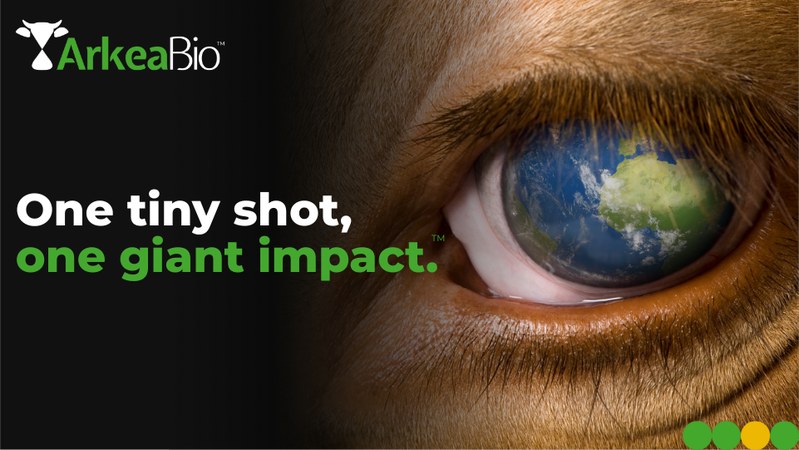
ArkeaBio
ArkeaBio is a Boston climate-biotech company building the first vaccine that cuts methane emissions from cattle. The shot trains a cow's immune system to produce antibodies that travel to the rumen and suppress methanogens - the microbes that turn digestion into greenhouse gas. Livestock methane accounts for roughly 6% of global emissions, and ArkeaBio's pitch is blunt: a vaccine is the lowest-cost, most scalable way to attack that number. Backed by Breakthrough Energy Ventures and a roster of climate and ag investors, the company is moving from animal studies into full field trials, targeting a 20% methane reduction and a first product in market around 2028.

Dino Dina
Dr. Dino Dina is a Genoa-born physician-scientist who spent 15 years building Dynavax Technologies as its President and CEO, shepherding the company through the long road toward HEPLISAV-B, a two-dose hepatitis B vaccine whose CpG 1018 adjuvant technology later became a cornerstone of global COVID-19 vaccine programs. Before Dynavax, he built the Vaccine Group at Chiron Corporation and led Chiron Vaccines to the first-ever approval of an adjuvanted influenza vaccine in Italy. Since retiring in 2013, he has poured equal scientific rigor into his Cimarossa estate on Howell Mountain, Napa Valley - 60 mountain acres of vines and 1,200 olive trees named for the Italian phrase meaning 'red hilltop.'