user-experience
(16)
Trinet Internet Solutions and the business of the next click
A prayer request, a donation, a sermon search: Trinet builds the small digital steps that bring people closer to an organization. Its work across ministries and businesses reveals why the useful website often beats the merely handsome one.

Jacob Tyler makes the case for four buttons instead of nine
A construction company can build a landmark and still bury its best work online. Jacob Tyler turns that mismatch into a business, connecting brand strategy, useful websites, and the people who have to live with both.

Ammunition makes the future feel familiar
The studio behind Beats, Ember and Square works on the awkward moment when new technology meets an old habit. Its most useful design move is often knowing what to leave alone.

DEPARTURE and the work behind the pretty website
A museum with a troublesome back end. A biotech company with a soundtrack. Inside the San Diego agency that treats branding as something you have to build.

Femto designs for the person who has to make it work
A classroom game, a payment terminal and a mining cost program have more in common than they seem. The Brazilian consultancy works on the decisions and processes that make an idea usable.

Global App Testing Finds the Bugs That Look Like Lost Customers
A failed payment can masquerade as a change of heart. Global App Testing sends people into the markets, devices and conversations where software quietly lets users down.

Digivante wants the bugs before your customers get them
The British testing company puts real people on real devices to find the faults that derail digital shopping. Its proposition: more eyes on a release, fewer surprises at checkout.

Joe Schaeppi Is Teaching Machines to Ask a Better Question: Why?
Before Solsten could model an audience, its founder had to connect psychotherapy, powder days, Fortune 500 UX and one consequential cold email. The result is a career-long argument for looking past the click to the person making it.

Before You Launch, Ask Phase 5: The Toronto Firm That Finds the Blind Spot in the Brief
Phase 5 has spent three decades making expensive decisions less guessy. Its most useful trick is not a dashboard or a slogan - it is knowing when a client is asking the wrong question.

Dan Adika Built a GPS for Work - Then Sold the Map to SAP
WalkMe began with a modest question: why should people have to memorize software? Fourteen years, a public listing and a $1.5 billion SAP deal later, Dan Adika is still working on the same stubborn gap between what technology can do and what people actually get done.

Lyssna
Move faster and build with confidence - with usability testing, surveys, interviews, and recruitment in one place.

Chameleon
Chameleon builds context on your product and users, identifies friction to fix, creates personalized in-app guidance, and monitors outcomes, so your product keeps getting better.

PlaybookUX
PlaybookUX is an all-in-one user experience research platform that helps product, design and research teams recruit participants, run studies, and analyze results in one place. It combines a vetted panel of millions of testers with a full toolkit of qualitative and quantitative methods - unmoderated and moderated testing, card sorting, tree testing, surveys, first-click and five-second tests, preference testing and session replays - and layers AI on top to transcribe, summarize, tag and report on findings. Founded in 2018 by Lindsey Allard and Kristen Giovanniello and headquartered in New York, the company is bootstrapped and grew to roughly $6.5M in revenue and 300+ customers by 2024.
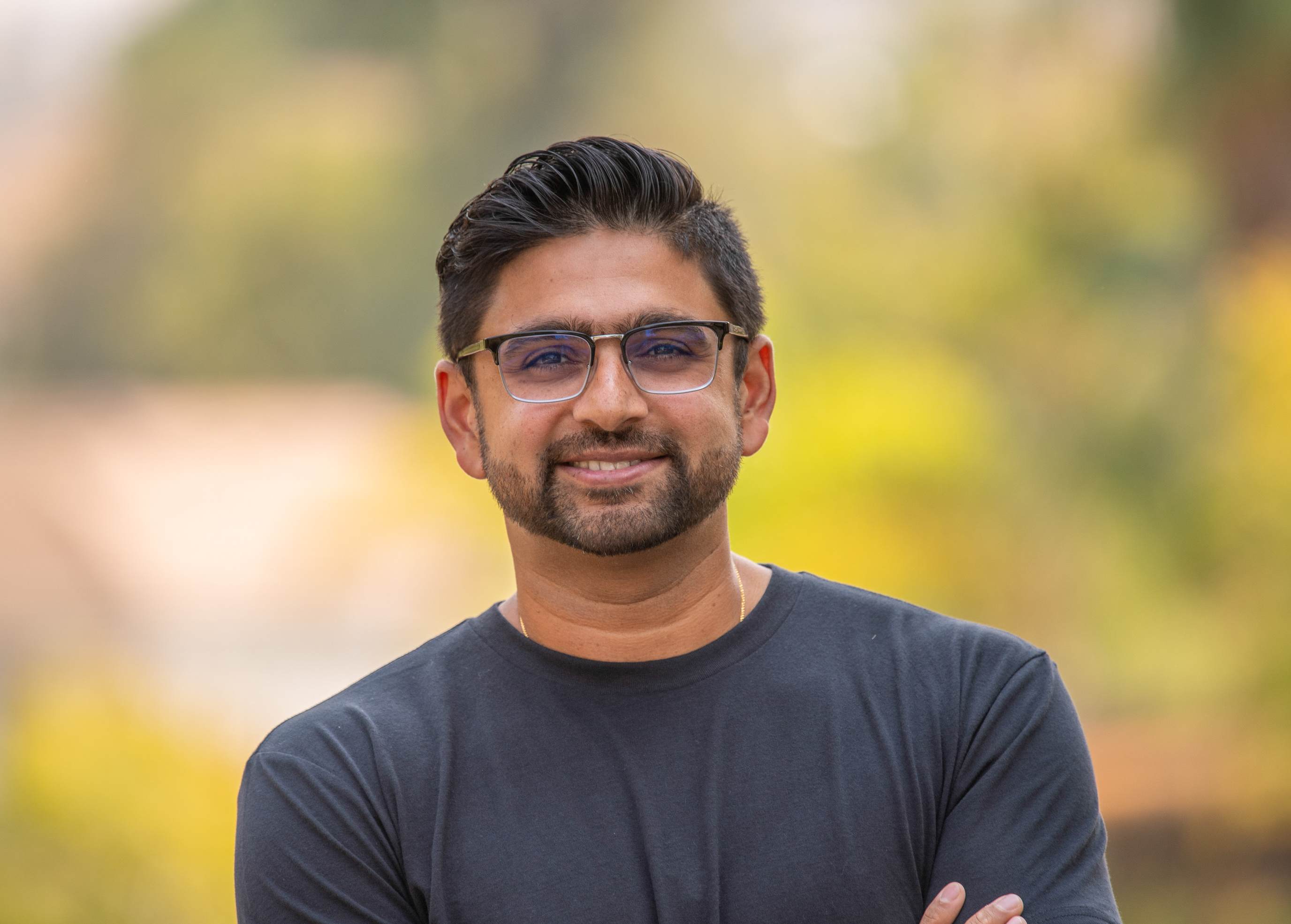
Anand Tharanathan
Anand Tharanathan is Group Vice President and Global Head of Product Research and Insights at ServiceNow, where he leads end-to-end user research and AI trust initiatives for one of enterprise software's fastest-growing platforms. With a Ph.D. in Experimental Psychology, an MBA from Northwestern's Kellogg School, and a career that runs from Honeywell's aerospace labs through Facebook to the frontier of enterprise AI, he bridges rigorous science and product craft at scale. His current focus on building trust in generative AI systems puts him at the intersection of human factors research and the most pressing question in enterprise technology.
Munier Afshar
Munier Afshar is a co-founder at Maze, the AI-powered user research and continuous product discovery platform trusted by over 60,000 brands including Atlassian, Lowe's, and Sony. Based in the Baltimore/Washington DC area, Afshar helped build Maze into a category-defining research platform that raised a $40M Series B in 2022, bringing total funding to over $57M. Beyond tech, he serves as Vice President of the Afghan Relief Fund, lending organizational leadership to a nonprofit supporting vulnerable Afghan families. His career spans entrepreneurship, operations, and community impact.
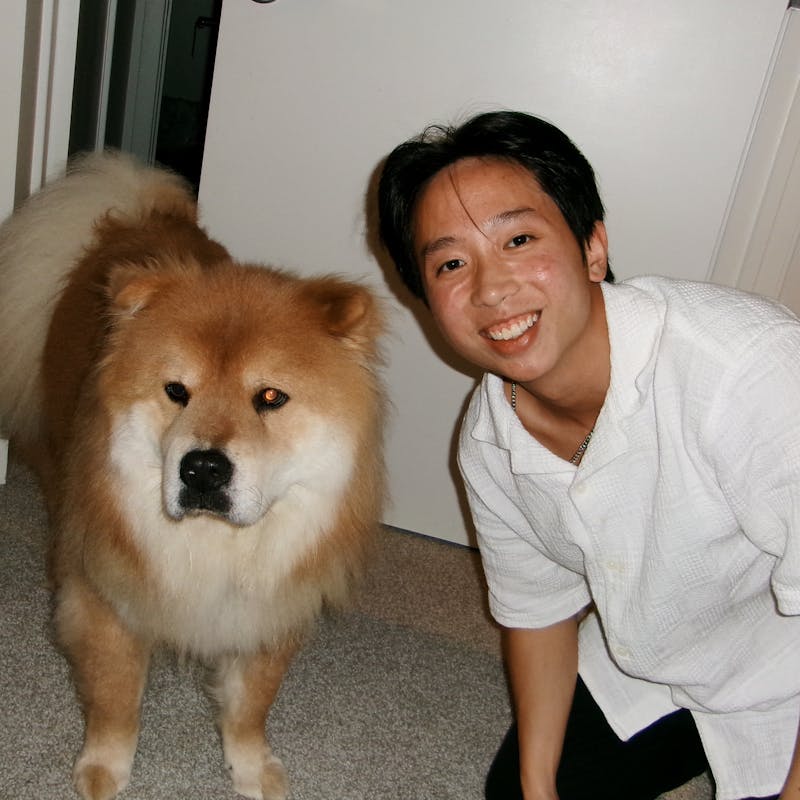
Zeroframe
Zeroframe is the company behind Andoria, an AI-powered customer onboarding agent that learns how web applications work and generates personalized walkthroughs for users who get stuck. Founded in San Francisco in 2024 by Daryl Budiman and Anirudh Ramprasad - two former MultiOn engineers who helped scale that AI startup to a triple-digit million-dollar valuation in under nine months - Zeroframe's flagship product drops into any web app with a single script tag and autonomously shows users exactly what to do, reducing churn by turning confusion into clarity.