synthetic-data
(15)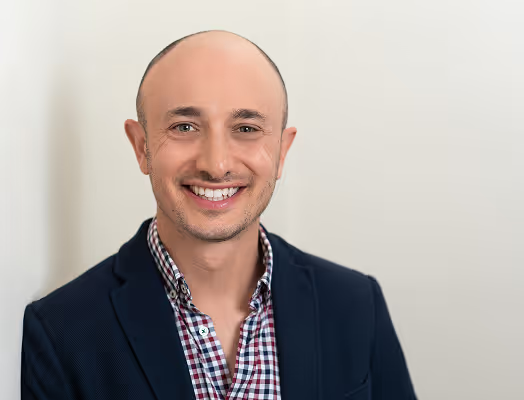
Ian Coe Is Making Fake Data Useful - and Real Data Less Dangerous
After Palantir and Tableau, Ian Coe built Tonic.ai around a stubborn idea: developers should get realistic data without getting the secrets inside it.

Mahesh Sathiamoorthy Is Building the Practice Worlds AI Agents Need
After a decade improving the systems behind YouTube recommendations, Mahesh Sathiamoorthy left Google DeepMind to work on a new bottleneck: the data, tests and realistic environments that teach AI agents how to finish the job.
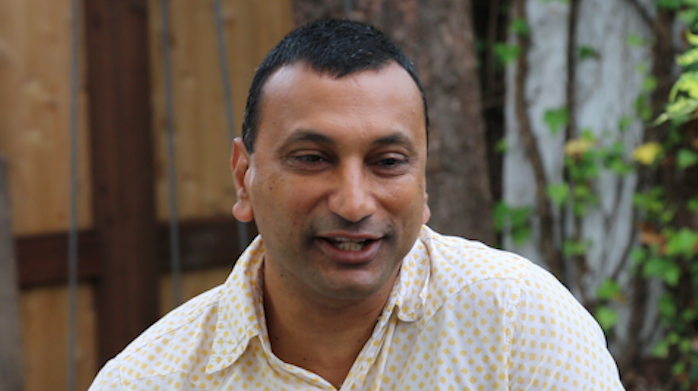
Apurva Shah Builds Worlds Where Robots Can Fail First
After two decades making digital worlds believable, the former Pixar technical leader is using simulation to make machines more dependable in the real one.

Steve Xie
Steve Xie is the founder and CEO of Lightwheel, a physical AI infrastructure company building simulation and synthetic data systems that teach robots to learn and operate in the real world. A physicist by training with a Columbia PhD, he led autonomous driving simulation at Cruise, NVIDIA, and NIO before starting Lightwheel in 2023. The company supplies SimReady 3D assets, egocentric human data, and robot evaluation tools to labs including NVIDIA, Google DeepMind, and Figure, and raised roughly $137.5 million in 2026 to expand its data and evaluation infrastructure.
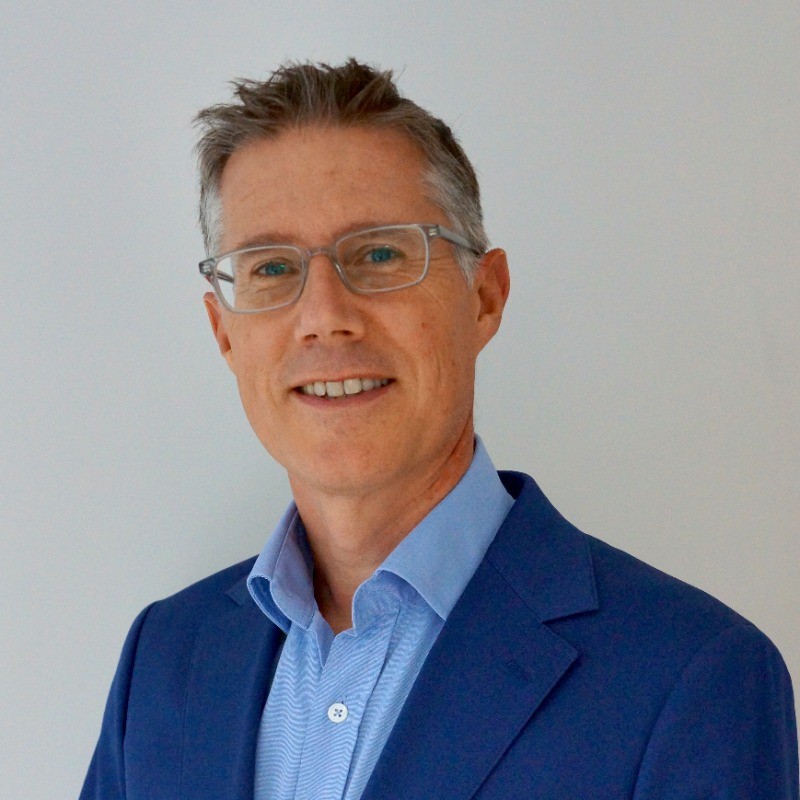
Bruno Lempernesse
Bruno Lempernesse is the CEO of MDClone, an Israeli-founded healthcare data platform that lets organizations explore and share sensitive patient data using synthetic data that preserves privacy. A 25-year veteran of healthcare technology, data science, and life sciences, he joined MDClone as President of North America in September 2024 and stepped up to Chief Executive Officer in 2025. Before MDClone he was CEO of Carevive, a cancer-care and real-world-studies company acquired by Health Catalyst in 2024, and earlier spent two decades at Cegedim building its data and research business, plus leadership roles at SHYFT Analytics and Acorn AI (a Medidata company). He is an early pioneer of longitudinal patient data drawn from electronic medical records across Europe and the United States.
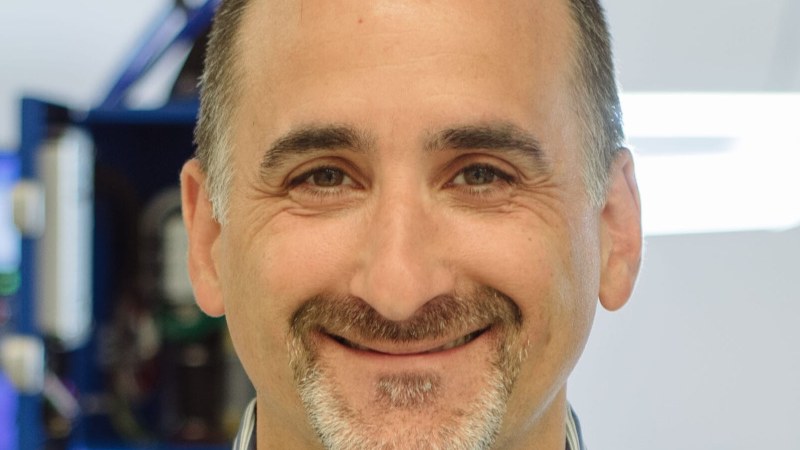
Mark Chiappetta
Mark Chiappetta is the president and CEO of Oxipital AI, a Bedford, Massachusetts company that builds AI-driven machine vision for factory lines that pick, count, and inspect food. He is an electrical engineer who spent 30-plus years in robotics, including a run as a corporate VP at iRobot and eight years growing Soft Robotics from an early gripper startup. In 2024 he took the top job at Soft Robotics, then engineered the pivot that spun the company's 3D vision and AI software into Oxipital AI while the gripper hardware business was sold off. His pitch is that food processors will not rip out human lines for robots overnight, so Oxipital sells the eyes and brains first and the hands later.
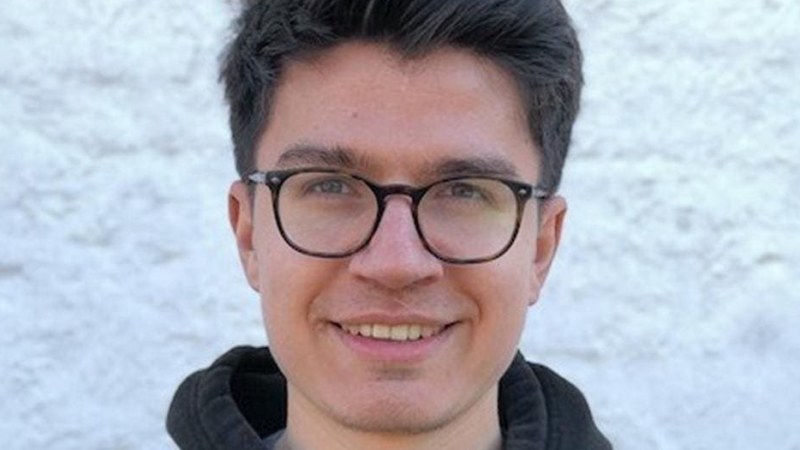
Nicolai Baldin
Nicolai Baldin is the co-founder and CEO of Synthesized, a London and New York-based DataOps and AI-powered test data automation platform he launched after a PhD in machine learning and statistics at the University of Cambridge. Synthesized generates synthetic, compliant, production-like data that enterprises use to test software, train models, and share information across regulatory boundaries. In September 2025 the company raised a $20M Series A led by Redalpine to expand into automated software testing for the age of 'vibe coding.'
Jerry Wu
Jerry Wu is the co-founder and CEO of Halluminate (YC S25), a San Francisco startup building synthetic, fully-simulated versions of the internet so AI agents can learn to use computers and browsers reliably. A Cornell computer science and economics graduate who once researched model quantization, he previously led product and research at Capital One Labs, where he shipped one of the first AI agents in financial services and co-authored three patents. With longtime collaborator Wyatt Marshall, he is building what the pair call Westworld: a catalog of realistic sandboxes and expert-annotated evaluations that AI labs use to train and test computer-use agents at scale.
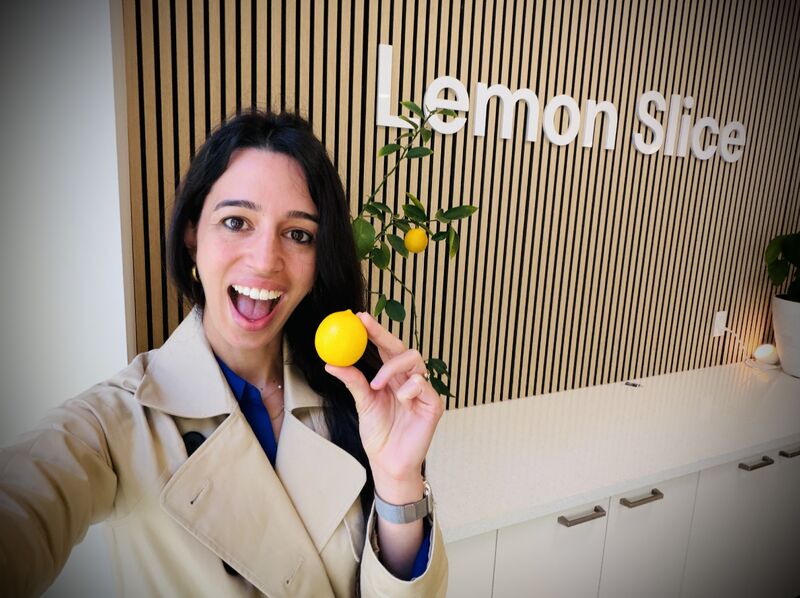
Lina Colucci
Lina Colucci is the co-founder and CEO of LemonSlice, a frontier AI lab building the world's first real-time interactive talking video models - tech that turns a single photo into a face you can hold a live conversation with. A former professional ballerina with a Harvard-MIT PhD in medical engineering, she has founded three companies, holds patents in biosensing, and raised $10.5M from Matrix Partners, Y Combinator, Dropbox's Arash Ferdowsi, Twitch's Emmett Shear, and The Chainsmokers. She bets that all video is heading toward being interactive and personalized to whoever is watching.
Frank Pica
Frank Pica is the CEO and co-founder of Native AI, a New York market-intelligence platform that builds AI-powered digital twins - synthetic consumer personas drawn from billions of real data points - so brands can interrogate their customers in real time instead of waiting weeks for surveys and panels. A repeat operator who helped scale Decide from three people to over a hundred and launched Adyoulike in North America, Pica is betting that consumer research is going through a renaissance, and that generative AI is leading it.

Charles Wong
Charles Wong is the CEO and Co-Founder of Bifrost AI, a San Francisco-based generative 3D data platform that lets robotics, aerospace, maritime, and industrial teams train and test AI models in hours instead of months. A Forbes 30 Under 30 honoree from Singapore, Wong built Bifrost after working on AI perception models for autonomous vehicles at NuTonomy (an MIT spinout). Bifrost has raised $13.7M in total funding, counts NASA JPL and the U.S. Air Force among its clients, and generates synthetic datasets for some of the world's most demanding physical-world AI challenges - from Mars rover navigation to maritime collision avoidance.
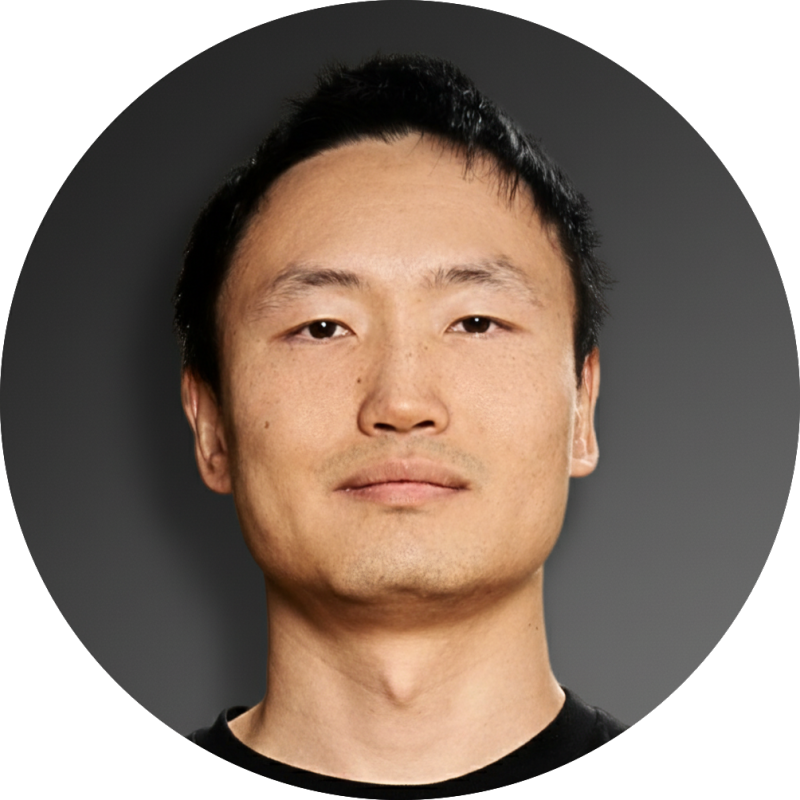
Keven Wang
Keven Wang is the Co-Founder and CEO of UnitX, a Santa Clara-based AI robotics company transforming industrial quality control through machine vision. A Stanford computer science alumnus with roots in SalesforceIQ engineering, Wang founded UnitX in 2018 alongside Adam Yang and Weixiong Zheng. The company has since deployed 820+ AI inspection systems across 135+ factories worldwide - inspecting $6.1B worth of products annually - and raised $92M in total funding. UnitX's flagship platforms (FleX, GenX, OptiX) help automotive, EV battery, and electronics manufacturers cut defect escapes by 9x and reduce scrap rates by up to 50%, with a philosophy Wang distills as: 'automate everything and maximize human intellect.'
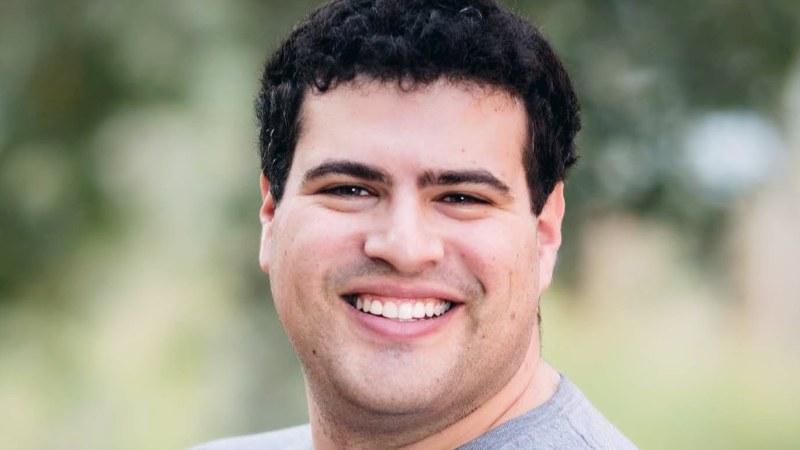
Ari Morcos
Ari Morcos is the Co-Founder and CEO of DatologyAI, a Redwood City-based startup that automates the curation of training data for AI models. A Harvard-trained neuroscientist who spent two years at DeepMind and five at Meta AI Research (FAIR), Morcos pivoted from studying how biological brains learn to solving how artificial ones should eat - coining the phrase 'models are what they eat.' His company has raised $57.65M across seed and Series A rounds backed by Felicis Ventures, Radical Ventures, and angel investors including Geoffrey Hinton, Yann LeCun, and Jeff Dean. With an h-index of 35 and over 12,000 citations, Morcos bridges rigorous ML research and venture-scale ambition, targeting the data layer as AI's most underinvested frontier.
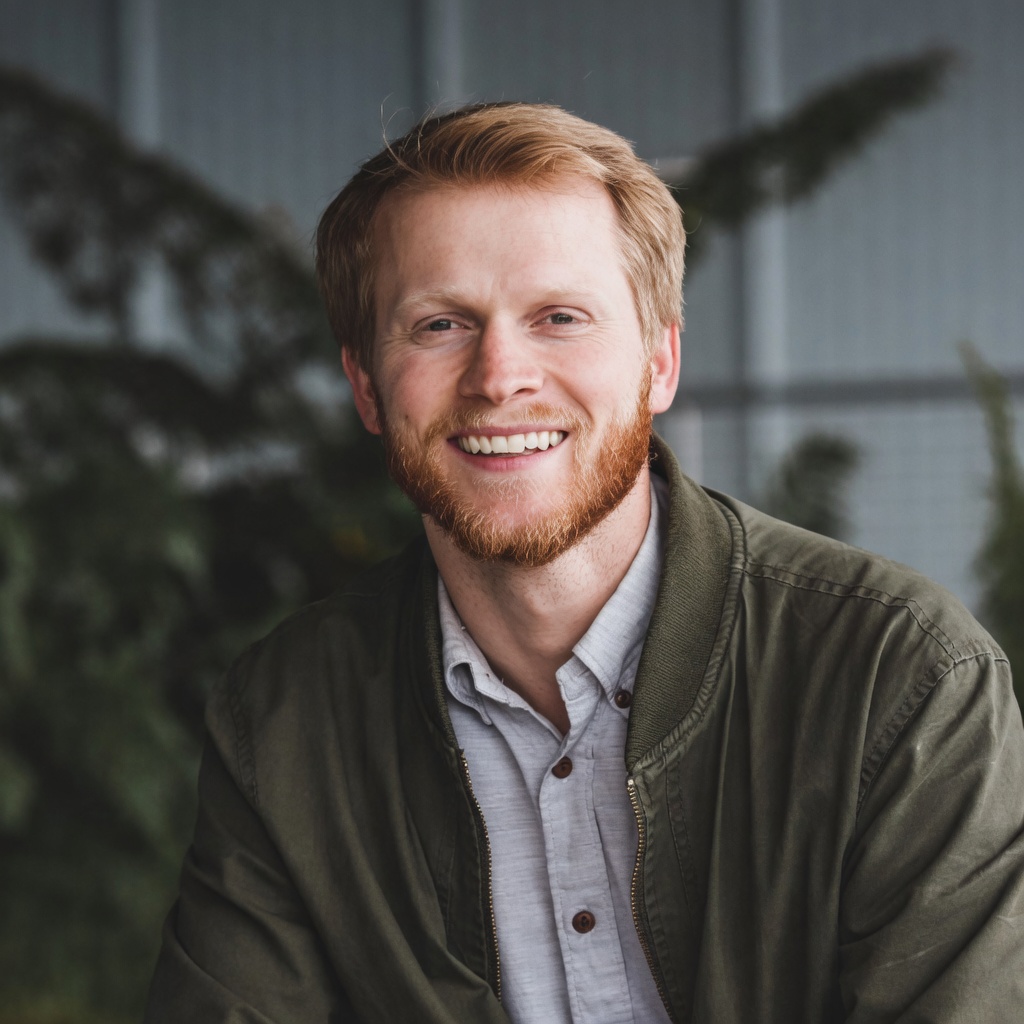
Kevin McNamara
Kevin McNamara is the Founder and CEO of Parallel Domain, a San Francisco-based synthetic data and simulation platform that has raised $43.9M to power the next generation of AI perception systems. With a rare career arc spanning Pixar's animation pipeline, Microsoft's Xbox game studios, and Apple's secretive autonomous systems group, McNamara distilled a career of building virtual worlds into a platform that lets autonomous vehicle, drone, and robotics companies train their AI on infinite synthetic scenarios - accelerating ML development cycles by over 180x compared to real-world data collection.
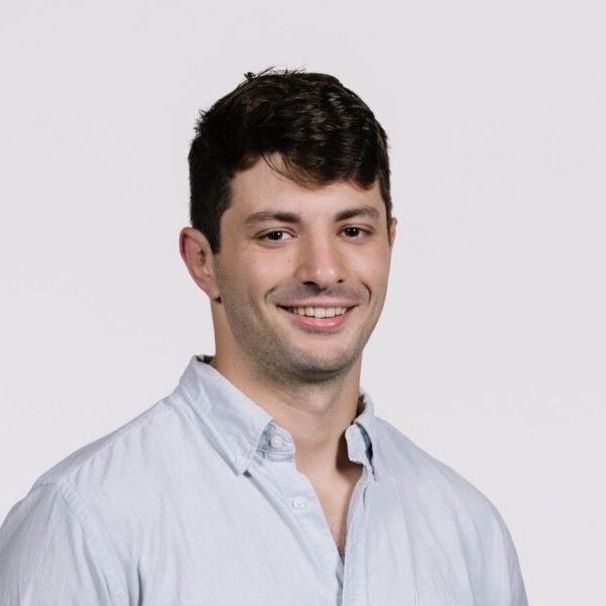
Josh Tobin
Josh Tobin is a machine learning infrastructure pioneer who spent three years as a research scientist at OpenAI - contributing to the famous Rubik's cube robot hand - before earning his PhD from UC Berkeley under Pieter Abbeel. He co-founded Gantry, an ML monitoring and continual learning startup that raised $28.3M, and created Full Stack Deep Learning, the first course focused on production ML engineering. His domain randomization technique, which transfers neural networks trained in simulation to the real world, has been cited over 600 times and reshaped how robotics teams build perception systems. He runs a newsletter focused on ML infrastructure and ops.