supply-chain-technology
(17)
Mark McEntire Came Back to Make Freight Move Before the Market Does
After 35 years in transportation, the new Emerge CEO is betting that freight procurement should never sleep - and that software works best when its leaders keep listening.
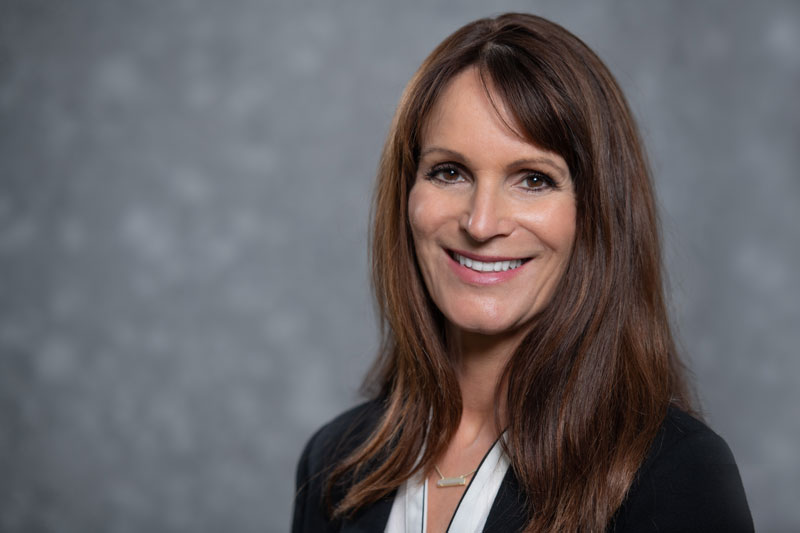
Renee Truttmann Makes the Warehouse Make Sense
Warehouse software is a world of docks, data and unforgiving details. Made4net CMO Renee Truttmann has spent two decades translating that machinery into a clear business case for change.

Ken Ramoutar Wants the Warehouse to Listen Better
After a career translating complex enterprise technology into customer value, the Lucas Systems CMO has fixed his attention on a stubbornly physical problem: making warehouse work easier, smarter and more adaptable.

The Software Making 50,000 Daily Shipping Decisions Before the Label Printer Blinks
ProShip lives in the split second between an order and a shipping label, choosing the carrier, service, promise date and paperwork. That unglamorous decision can save a retailer millions - or turn peak season into a queue.

Folia Grace Has Spent Two Decades Teaching Enterprise Software to Speak Human
From Oracle finance software to Aera's agentic decision intelligence, Folia Grace has made a career of translating complex systems into useful stories - while treating the sentence, the team, and the customer as parts of the same craft.

Baljeet Chhazal Is Building for the Part After the AI Demo
After years spent inside the machinery of Oracle, ERP and supply-chain transformation, the Calfus co-founder is betting that enterprise AI will be judged by what survives contact with production.

Rupert Hopkins Has Spent Decades Teaching Engineering Documents to Talk
Before AI became a boardroom reflex, Rupert Hopkins was worrying about a quieter problem: the specifications, parts records and requirements that machines still could not understand. His answer became XSB, a 26-year experiment in making industrial knowledge usable.

Founder-Sized Ownership in Year One, Pallet's Agent PM Team
Pallet’s Agent PMs don’t wait years for a real mandate. They take charge of marquee accounts, live AI deployments, and new markets—often before the first month is over.

Katie Foote Is Building the Marketing Machine Behind the Supply Chain
After two decades turning complicated software into stories people can act on, Katie Foote has taken on a new puzzle: making the machinery of global commerce feel clear, human and ready for an AI-shaped era.

GlobalTranz Started With Zero Dollars. Here’s the Freight Playbook That Made It a $930 Million Company
A Navy veteran used prepaid eBay shipments and a homemade rate engine to drag freight brokerage online. The clever part was not owning trucks - it was turning fragmented capacity, independent agents and software into a machine that private equity could not stop buying.

The Tiny Fund Betting the Next Great Software Market Has Factory Floors
REFASHIOND Ventures writes small early checks into the systems that make, move, and remake physical goods. Its edge is not check size - it is a map of industry built before supply chains became dinner-table conversation.

The 60,000-Stop Machine Behind India’s Express Economy
TCI Express built a national delivery network without trying to own every truck. Now it is using automation, multimodal routes and a money-back promise to make industrial freight behave more like a trackable parcel.

The Invisible Tech Company Behind the Beep, Scan and Tap
BlueStar rarely meets the shopper, nurse or warehouse worker who uses its technology. Its business is making sure the scanners, screens, printers and software behind those moments arrive as one workable system.

The $5.4 Billion Company Behind Every Beep
Zebra Technologies turned the humble barcode into a bridge between physical work and digital intelligence. Now its scanners, printers, sensors, software and screens are becoming the control layer for the frontline.
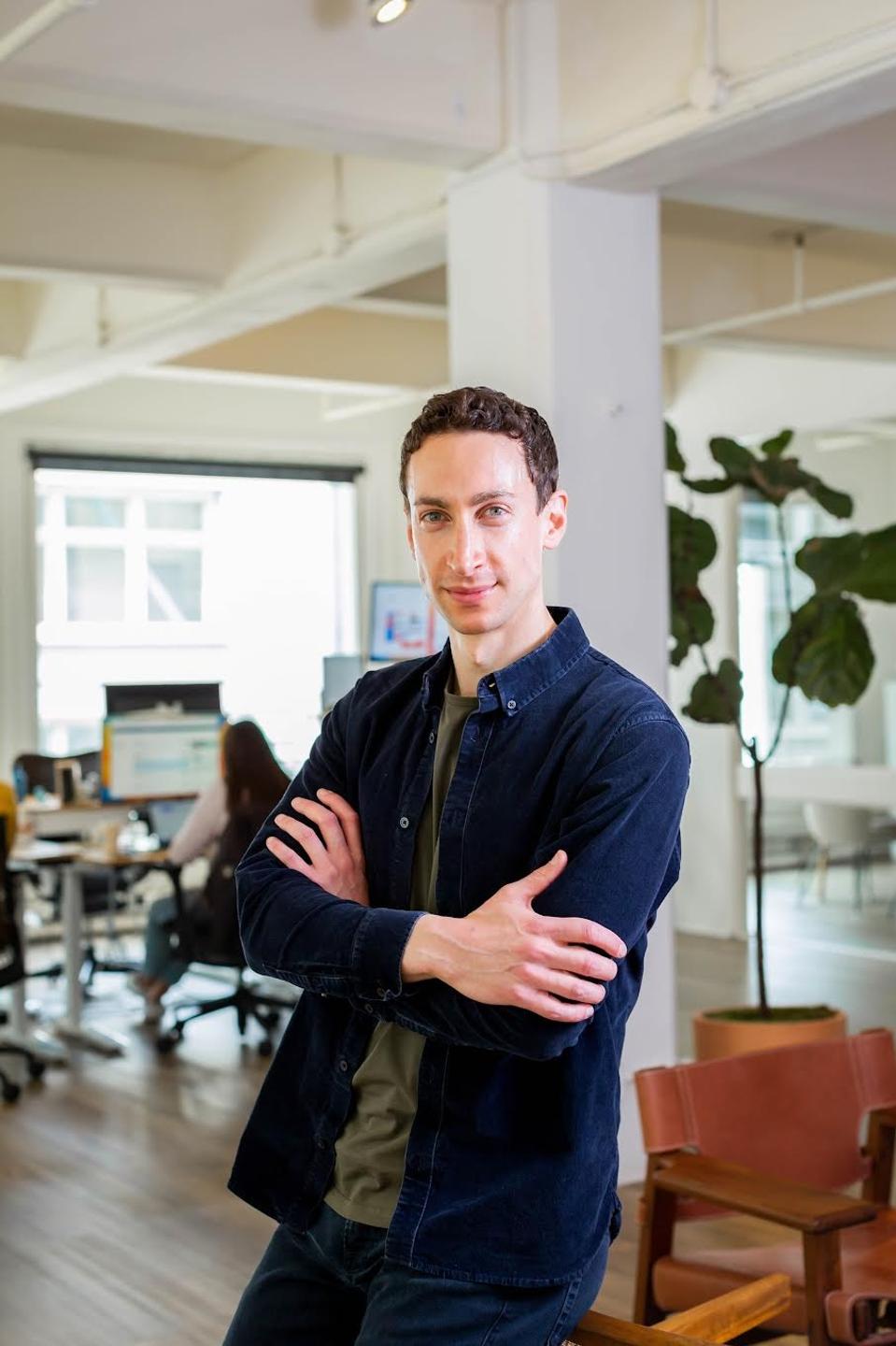
Alex Yaseen
Alex Yaseen spent years watching smart operators wrestle with spreadsheets. At Parabola, he is turning their hidden business logic into workflows they can build, inspect, and run themselves.

Tailored Industry
Tailored Industry is a Brooklyn-based on-demand knitwear manufacturer that pairs industrial 3D 'wholegarment' knitting machines with a proprietary software platform. It lets fashion brands of any size produce seamless sweaters and knit staples with zero minimums and near-zero waste, matching supply to actual demand instead of guessing seasons in advance.

Alexander Tschopp
Alexander Tschopp is the co-founder and CEO of Tailored Industry, a Brooklyn-based on-demand knitwear manufacturer and software platform that uses Shima Seiki WHOLEGARMENT 3D knitting machines to produce luxury sweaters with zero minimum order quantities and 3-to-6-day turnaround. A Cornell Dyson School graduate who hooked into business after reading an Andrew Carnegie biography at age 12, he started selling college-branded products to hundreds of retailers as an undergrad before setting out to revive American knitwear manufacturing - eliminating overproduction by matching supply precisely to demand.