staffing-software
(12)
Avionté Staffing: The hire is only half the job
A staffing agency can fill a job and still lose money getting the worker paid. Avionté has spent two decades connecting the decisions, documents and dollars that come after “you’re hired.”
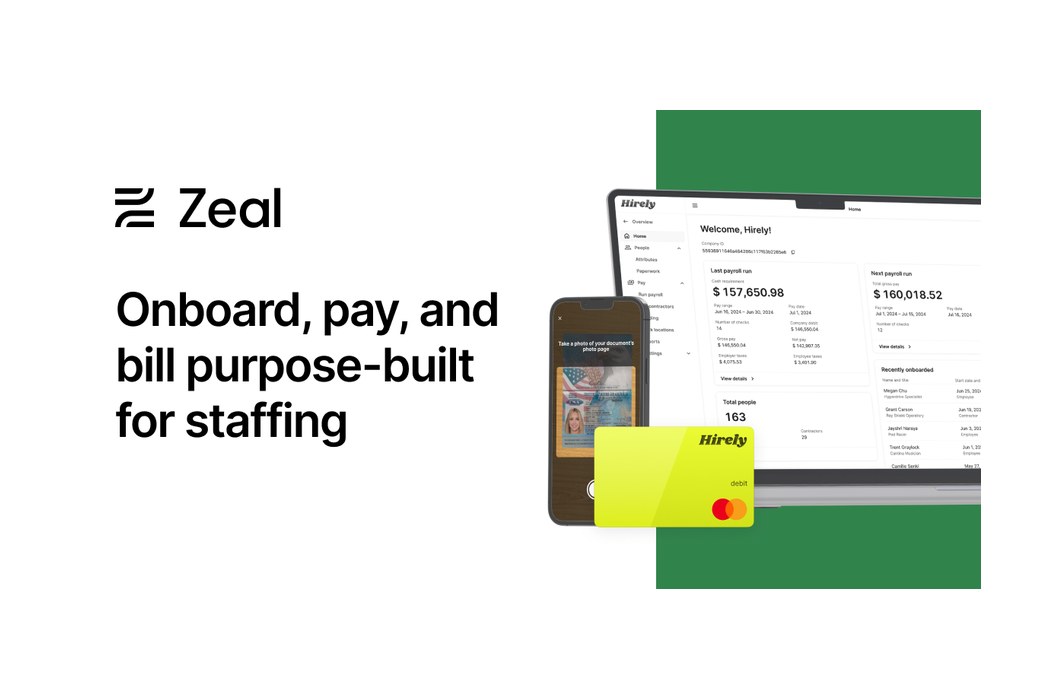
Zeal Found the Payroll Problem Hiding Inside the Shift
The founders went looking for a way to pay a fast-moving W-2 workforce and found a hole in the software stack. Now Zeal sells the plumbing to the platforms with the same problem.

Spott’s Sensible Idea Failed. Then the Bigger Bet Worked.
Three Belgian consultants set out to add a clever feature to old recruiting software. The old software refused to cooperate, so they replaced the whole thing - and found 500 agencies willing to follow.
Daxtra Wants Recruiters to Stop Losing the People They Already Found
The Scottish software company built its business turning unruly CVs into searchable records. Its next bet is that the same machinery can carry a candidate all the way to a conversation.

The 43-Year-Old Staffing Software Firm That Became a Takeover Puzzle
Bond spent four decades turning the messy work of staffing into software. Then a public-market standoff, a £24.1 million sale and two mergers folded its hard-won expertise into Bullhorn.
Rota Put the Staffing Agency Inside the App
Rota began by filling last-minute hospitality shifts. The more durable business was the machinery behind the marketplace - software that lets employers, agencies and workers arrange an unruly week from the same screen.

Jonathan Bedard Learned Marketing by Following the Numbers
Before he ran Bullhorn's global marketing organization, Bedard studied economics, taught 900 students in Korea and learned to read a business from the finance desk. Now he is applying that unusual apprenticeship to the noisy arrival of AI.

Art Papas Built the Wrong Thing. Then He Listened.
Bullhorn began as a marketplace nobody needed. Twenty-six years later, Art Papas is still running the company because he learned the founder's most useful trick: let the customer rewrite the plan.

Crelate Wants to Turn the Recruiting Database Into a Living Network
The Idaho software company spent years making the applicant-tracking system more flexible. Now it is betting that recruiters need a database that searches, refreshes and suggests - without taking the relationship out of their hands.

Bullhorn Built the Operating System for Recruiters. Now It Wants to Run the Busywork.
The Boston software company spent 26 years turning staffing’s messy three-way relationship - candidate, job, client - into one system. Its next act is giving that system a set of AI workers.

Arjun Vora Is Redesigning the Shift
After designing software for millions of Uber drivers, Arjun Vora noticed who enterprise technology kept leaving behind. Teambridge is his attempt to put flexibility, self-service, and better tools into every hourly worker’s pocket.
TeamBridge
TeamBridge is a San Francisco company building a composable, AI-native workforce management platform for the hourly and frontline workforce - roughly 70% of the world's workers. Founded in 2020 by former Uber product and design leaders Arjun Vora and Tito Goldstein, it hands operators 'LEGO block' modules for scheduling, onboarding, time and attendance, communication, instant pay and custom mobile apps, so companies can run staffing operations as one connected system. It raised a $28M Series B in September 2024 led by Mayfield, bringing total funding to about $41.5M.