search-marketing
(20)
Michael Mothner and the question that cost Goldman Sachs a recruit
A $10 search-engine service gave Michael Mothner a reason to walk away from banking. After two decades building Wpromote and a move to its board, he is back with another answer to a small-business problem.
RJ asks a better question: What happens next?
Web. Social. Mobile. Search. RJ brings them together around a deceptively simple idea: start with what the customer needs to do.

Oren Netzer and the Ad That Missed a Country
A Target ad in a Tel Aviv apartment gave Oren Netzer a question worth building a company around. From DoubleVerify to search marketing and machine learning, he has kept looking for the gap between what a system reports and what actually happens.

The agency that gives away the thinking
Search with Candour turns a Norwich agency’s working knowledge into a weekly public conversation. The interesting part is what happens when its own advice challenges its own business.
Voices of Search sells the conversation.
A free SEO podcast became a business selling access to the people who keep the web discoverable. Its useful trick: give a narrow audience a reason to keep listening.
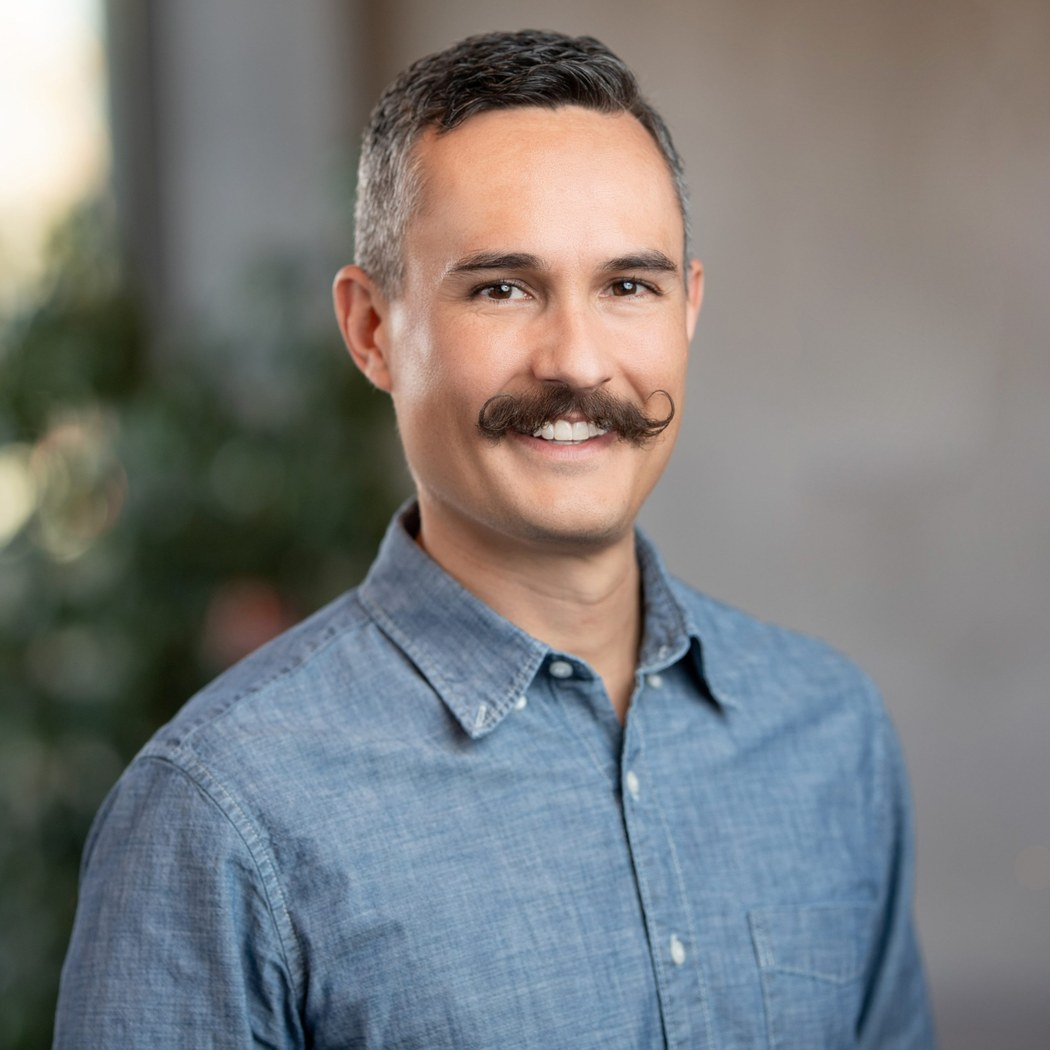
Troy Lerner and the Long Way to an Overnight Success
He sold lawn care with better flyers than mowing, helped turn a fading pay-per-click business into an agency, then spent thirteen years earning the right to buy it. Troy Lerner's favorite strategy is less glamorous and more useful: put one foot in front of the other.

Sam Michelson Learned to Read the Internet Before It Learned to Answer Back
He began with VoIP ads and a misspelling tool. Two decades later, the Five Blocks founder is studying the stories that search engines and AI tell when nobody is in the room to correct them.
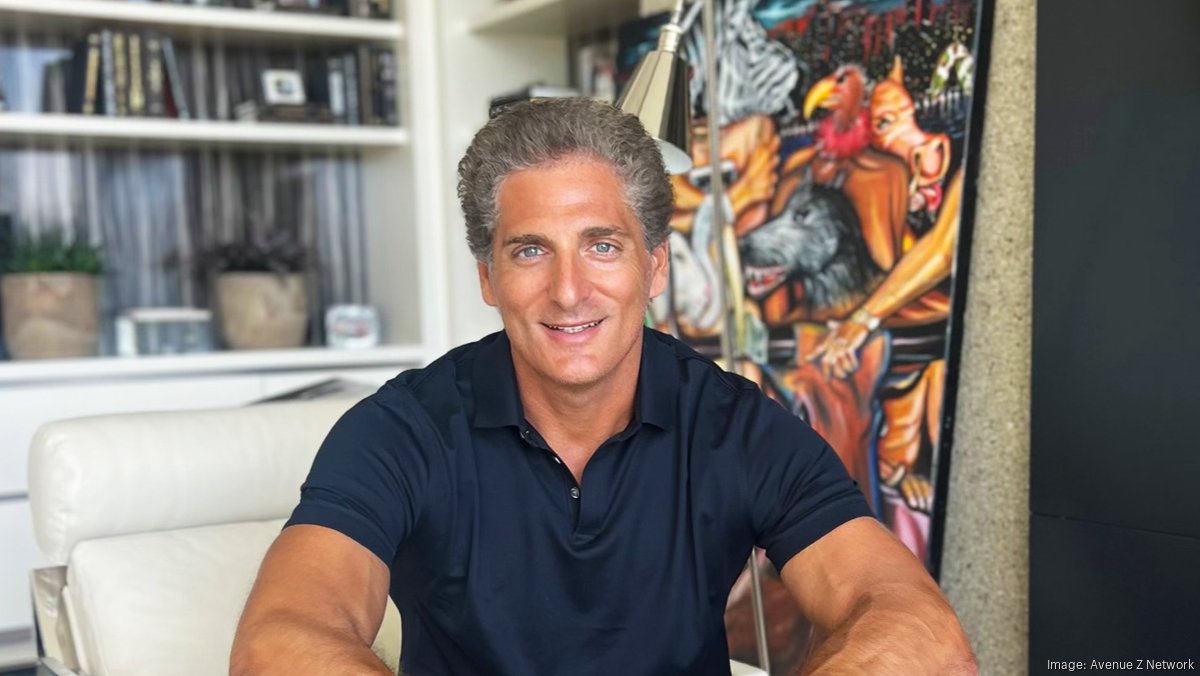
Jeffrey Herzog Built for Google. Now He’s Betting on the Answer Machine.
The founder who caught search before it became an industry is back at the same old puzzle in a new disguise: how does a business become the answer people trust?
Defero Put the Dashboard in the Creative Department
Phoenix agency Defero sells the familiar promise of full-service marketing. The interesting part is what comes next: landing pages, audience loops and a habit of letting the numbers grade the creative.

Geary Interactive saw what happened before the click
A San Diego agency connected search, advertising and website design long before its 2012 merger. Its work offers a useful lesson in how customers arrive - and its successor’s closure puts a limit on the growth story.

Evyatar Sagie Turned Search Discipline Into a Cybersecurity Growth Playbook
Before he marketed an AI-native security platform, Evyatar Sagie learned growth one query, campaign and conversion at a time. His career explains why Guardz speaks to MSPs in the language of useful outcomes rather than cyber theater.

Glenn Lombardi Has Spent Two Decades Turning Search Results Into Front Doors
Before local search became an industry, Glenn Lombardi was teaching medical practices to treat a website like a working front door. Now, at Goldn, he is applying the same practical obsession to senior housing: be findable, earn trust and measure what happens next.

The SEO Factory Behind the Agency Logo
WEB20 Ranker does the technical, local and off-page work that marketing agencies sell under their own names. Its real product is not a backlink or a press release - it is extra fulfillment capacity without the payroll gamble.

Botify
Botify is an enterprise platform that helps large brands stay discoverable across search engines and AI assistants. Founded in Paris in 2012 and now headquartered in New York, it combines large-scale website crawling, server-log analysis, AI-driven recommendations and automation to protect and grow organic traffic. As search shifts toward AI answers and shopping agents, Botify has repositioned around 'agentic AI' visibility, serving 500+ brands including Marriott, Expedia, Farfetch, Macy's and The New York Times.

Ask Media Group
Ask Jeeves taught the early web to accept a question in plain English. Three decades later, its corporate descendant became a sophisticated traffic-and-advertising machine - and a case study in what happens when a media business depends on someone else’s search ecosystem.
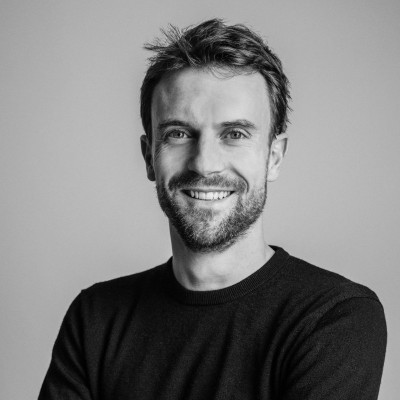
Adrien Menard
He noticed that half the internet's pages were invisible to Google. Then he built a company to fix it - and now he is betting it can do the same for the AI agents rewriting how the world searches.
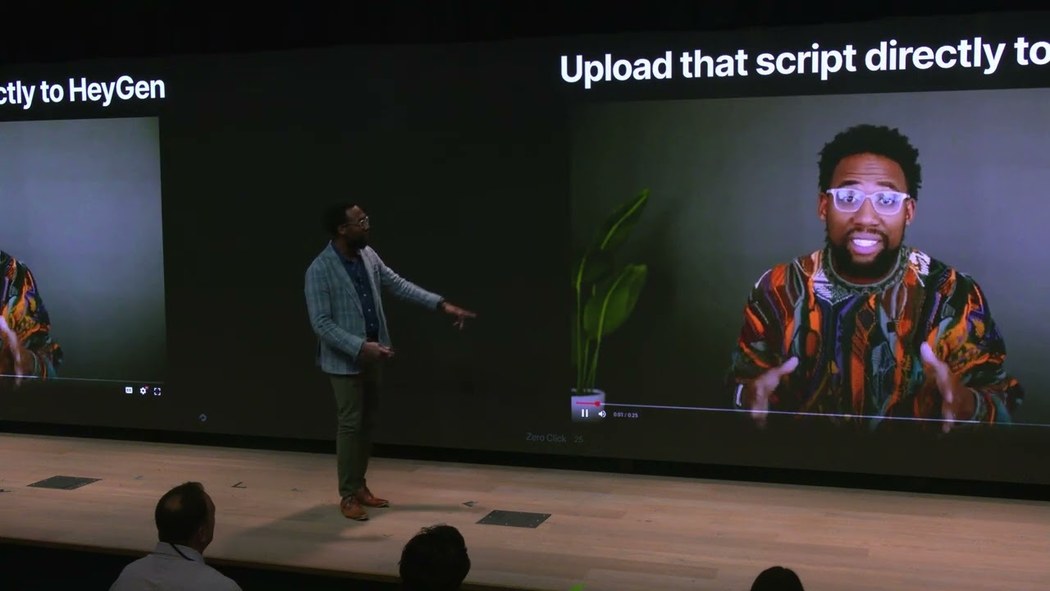
Content Distribution in the Age of AI — Ross Simmonds, Foundation Marketing
In a fast-talking, joke-laced keynote delivered at a Profound event, Foundation Marketing founder Ross Simmonds sets out to demolish what he calls one of the marketing industry's favorite lies: that AI-written content can never drive results. Playing amateur detective — 'Sherlock Homeboy' — he digs into CNET's much-mocked AI publishing experiment and finds that the disclosed AI-written pages still pull millions of annual visits, roughly 2,400 backlinks and about $1.3 million worth of organic traffic value. From there he lays out a free four-part framework — Research, Creation, Distribution, Optimization — arguing that marketers have spent a decade obsessing over content while forgetting the marketing half of 'content marketing.' Along the way he makes the data case that B2B review sites like G2, Capterra, TrustRadius and Software Advice are losing ground while Reddit, YouTube and LinkedIn dominate LLM citations, and he walks through the actual tool stack — ChatGPT, HeyGen, ElevenLabs, Descript, Canva, MidJourney, RunwayML, Distribution.ai — he uses to turn one asset into many. His closing plea is less about tools than temperament: have a growth mindset, keep experimenting, and create once, distribute forever.
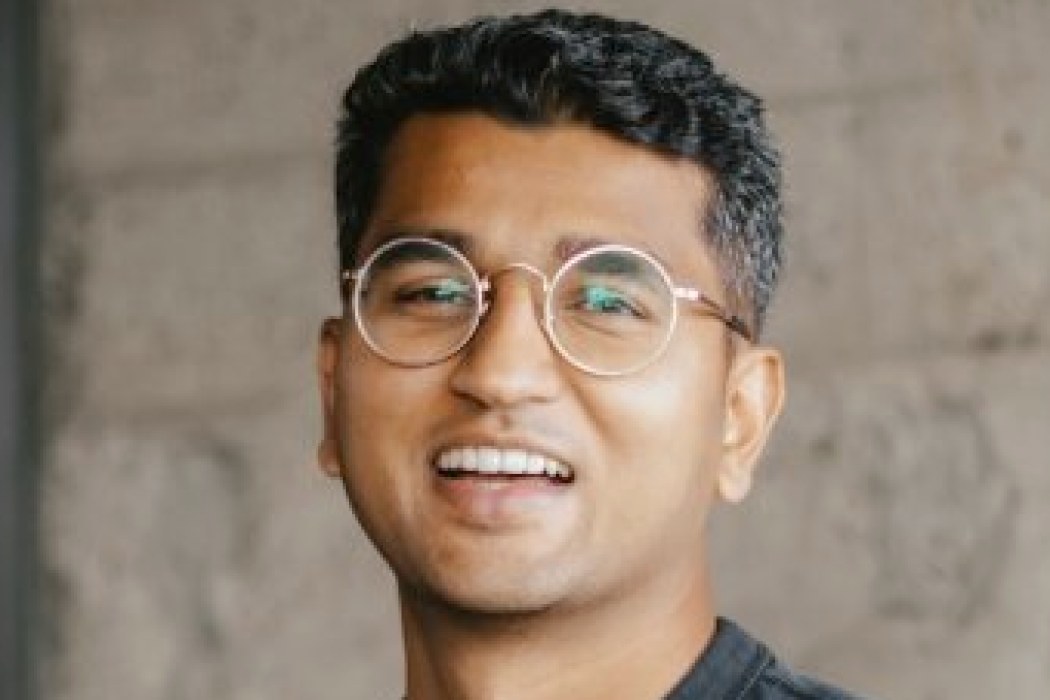
Thenuka Karunaratne
Thenuka Karunaratne is the CEO and co-founder of daydream, a San Francisco startup building an AI-native agency for organic search that pairs SEO agents with human growth experts. He started making money from affiliate websites in high school, bootstrapped a streaming-search business called Flixed through college using programmatic SEO, and in September 2023 launched daydream with co-founder Shravan Rajinikanth. The company raised a $15M Series A in April 2026 led by WndrCo, bringing total funding to roughly $21M.
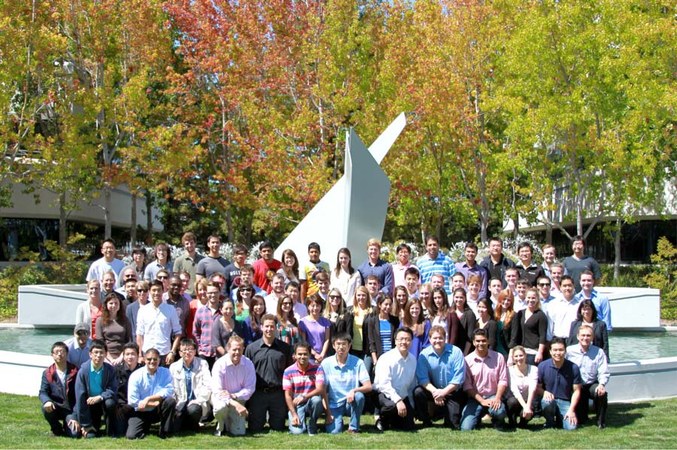
BrightEdge
BrightEdge is an enterprise SEO and content performance platform that turns the chaos of search into a measurable system of record. Founded in 2007 by Jim Yu and Lemuel Park, it built one of the largest proprietary data sets in marketing - billions of pages and keywords - and pairs it with an AI engine (DataMind) to power products like Data Cube, ContentIQ, Autopilot and AI Catalyst. Used by thousands of brands including a majority of the Fortune 100, BrightEdge has pivoted hard into measuring and optimizing for AI-driven search experiences like Google AI Overviews, ChatGPT and Perplexity.
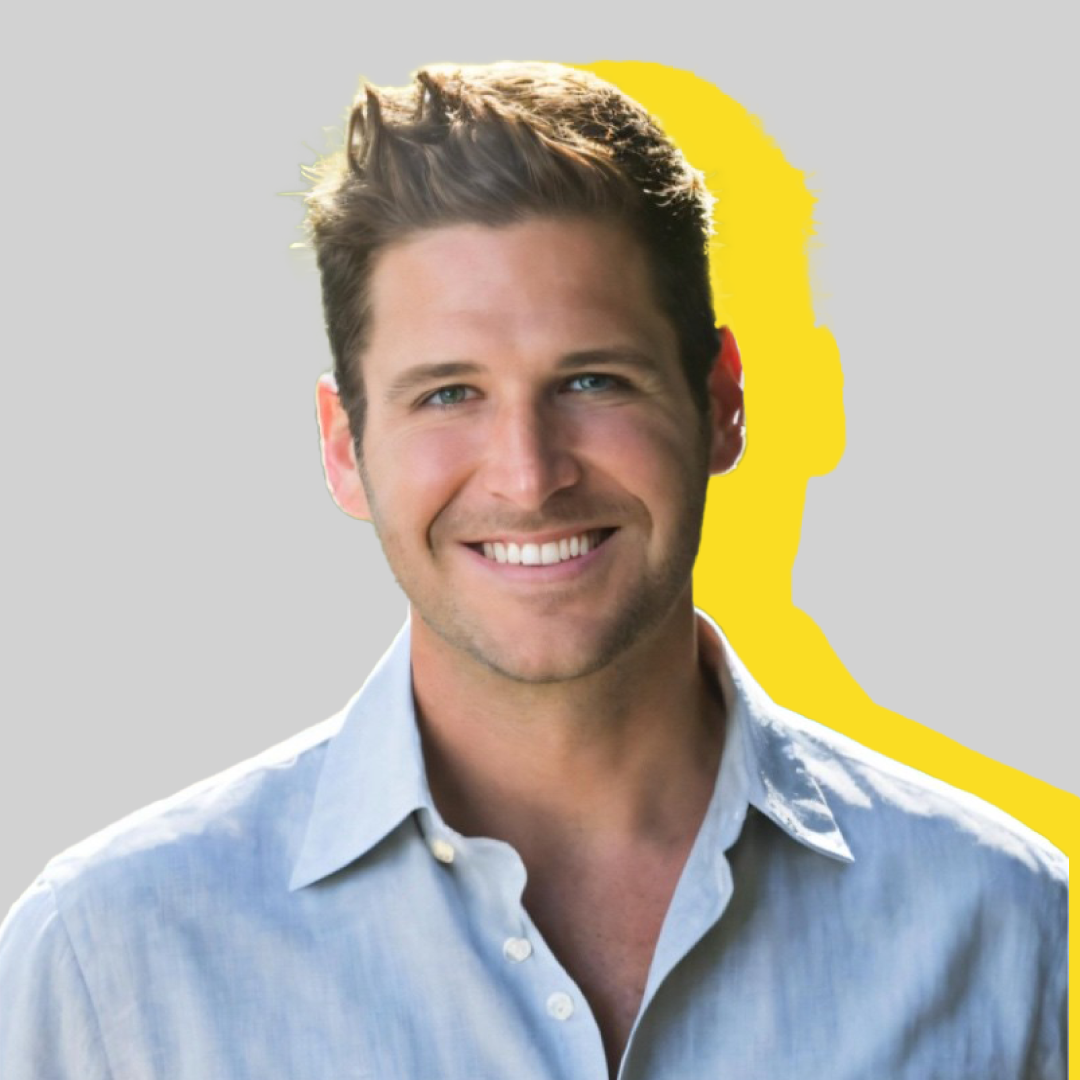
Nick Eubanks
Nick Eubanks is a serial entrepreneur, digital marketing executive, and distribution-first strategist who has built and sold multiple businesses, scaled agencies to 100+ clients serving the UFC and Nestle, co-founded Traffic Think Tank (acquired by Semrush for $1.8M), and now serves as Global CMO at Digistore24 while operating two investment vehicles. His core thesis - that distribution is the last competitive advantage that survives AI - is reshaping how founders and marketers think about sustainable growth.