san-francisco-founders
(19)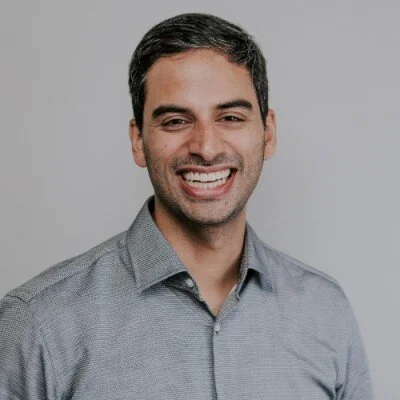
Harpaul Sambhi Is Building a Company That Does the Busywork
He sold his first startup to LinkedIn, studied the machinery of big-company product teams, and returned to the oldest nuisance in office life: work that people repeat because their software refuses to cooperate.
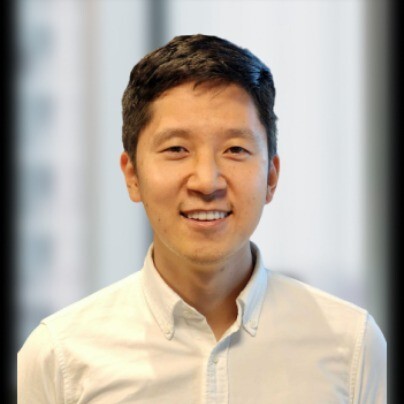
Min-Kyu Jung Left the Law, Learned to Code, and Found the Real Product Was Trust
The Ivo co-founder turned a lawyer's recurring annoyance into contract software for enterprise legal teams. His playbook: listen obsessively, move quickly, and make every machine judgment legible.
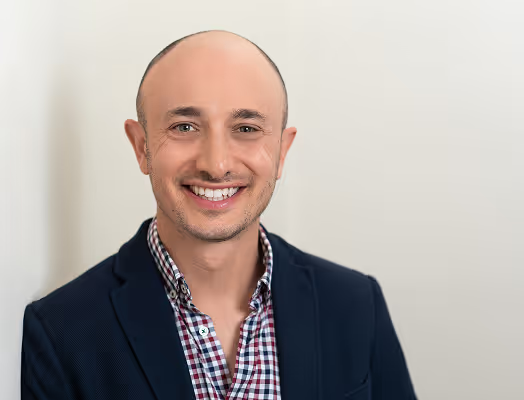
Ian Coe Is Making Fake Data Useful - and Real Data Less Dangerous
After Palantir and Tableau, Ian Coe built Tonic.ai around a stubborn idea: developers should get realistic data without getting the secrets inside it.

Melissa Teran Built Robots. Now She Is Teaching IVF Software to Earn Trust.
The Alife CEO spent a decade learning how complex clinical technology reaches the real world. Her second act turns that operating discipline into software for an industry where evidence matters more than a clever demo.
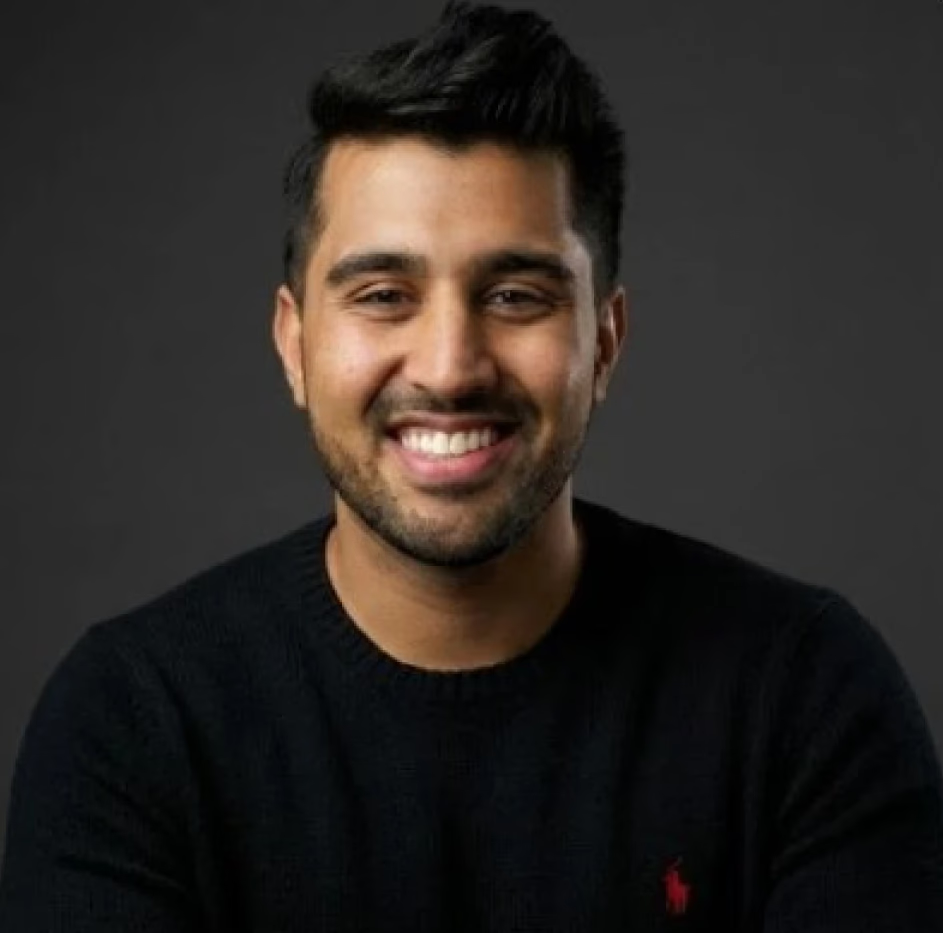
Alok Kumar Killed His Bank Startup - and Kept the AI That Worked
A six-week wait for his teenage brother's bank card started one company. A customer-support bottleneck ended it. Between those two moments, Alok Kumar learned that a founder's real job is not to protect the original idea - it is to notice what is actually working.
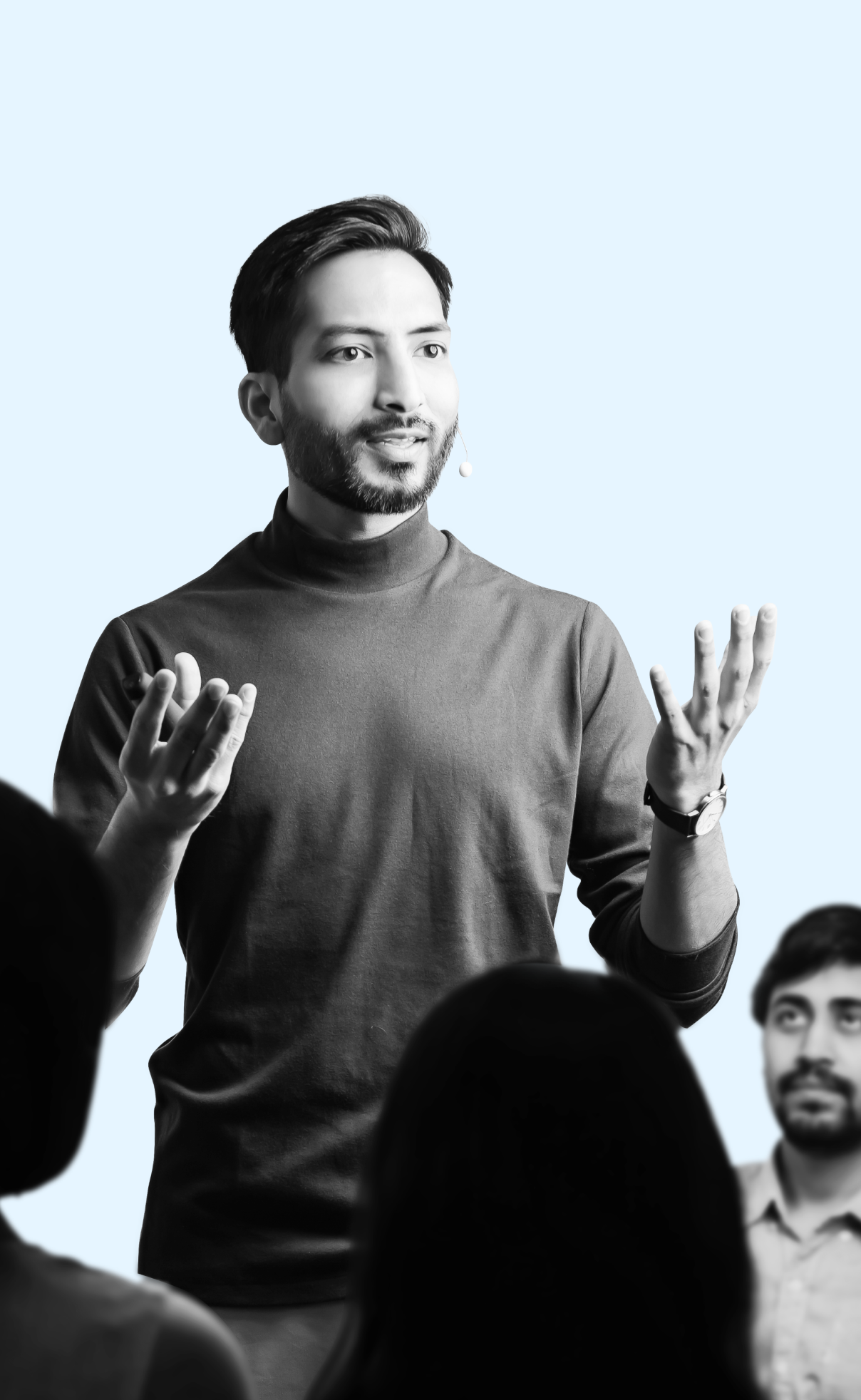
Nalin Gupta Built Cars That Drove Themselves. Now He Wants Customer Support to Think for Itself
After taking Auro Robotics from an IIT lab to a Silicon Valley exit, the engineer-founder has returned to autonomy - this time inside the conversations where companies win, lose, and occasionally misplace their customers.
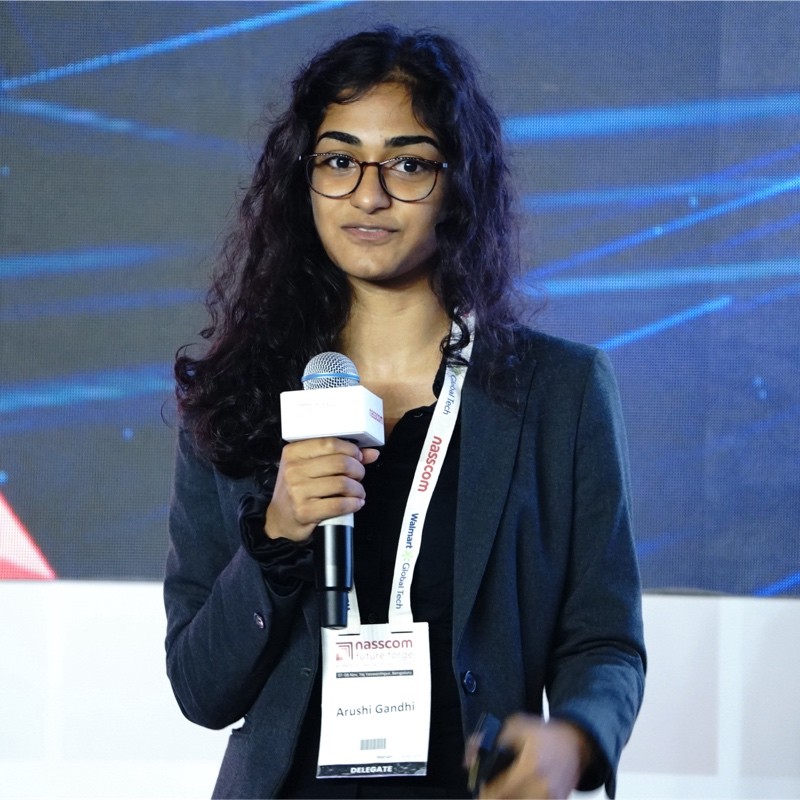
Arushi Gandhi Is Building AI Agents That Have to Survive the Messy Office
She started coding in ninth grade, built a startup in college, and learned the limits of AI automation in production. Now the Ressl AI co-founder is turning those bruises into a sharper question: can an agent do the work when the software, data and rules are all real?
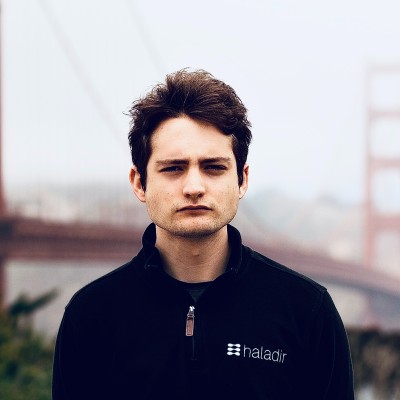
Jibran Hutchins Wants AI to Know Its Limits
The young Haladir co-founder is betting that the useful future of AI will be less about eloquent guesses and more about decisions that survive contact with a warehouse floor.
James Zammit Is Teaching Voice AI to Survive Tuesday
After two startups arrived early and one finance product made precision non-negotiable, the Roark co-founder found his problem in the gap between a polished demo and an ordinary production call.

Connor Jones Is Building a Place Where AI Work Can Stick Around
After years inside finance and operations, the BitBoard co-founder is giving AI analysis a memory - with dashboards, traceable logic and a stubborn respect for work that can be checked.

Seth Tilliss Built the Recruiter That Never Sleeps
Reval began with reference checks, learned the whole hiring funnel, and ended inside Metaview. The useful lesson in Seth Tilliss's path is simple: automate the chore, then follow the work.
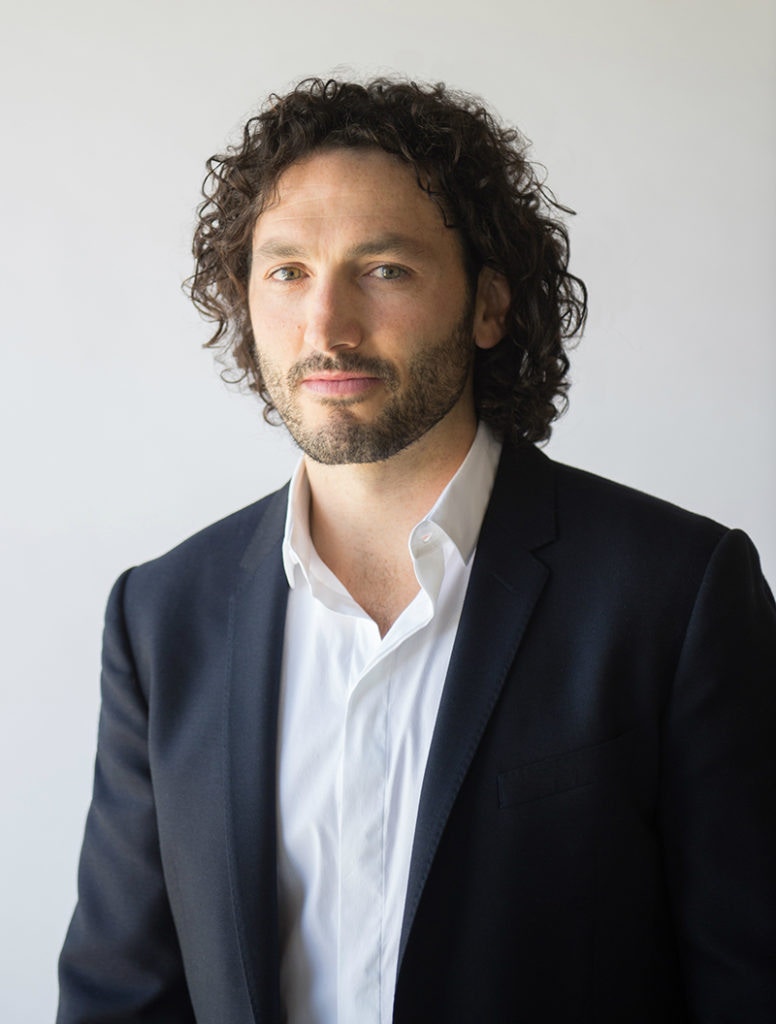
Zac Bookman’s Long Bet on the Boring Work of Government
He went from studying corruption in Mexico and advising a military task force in Kabul to spending fourteen years modernizing municipal budgets, permits, and procurement. OpenGov’s $1.8 billion deal was the visible result; the more revealing story is how Bookman learned to make persistence operational.

Daniel Vassilev Is Building for the Moment Software Stops Waiting
The Relevance AI co-founder went from teenage apps with millions of users to a $24 million Series B. His enduring idea is simpler than the jargon: software should take a brief, do the work, and know when to bring a person back in.

Jonathon Barkl Is Teaching Parking Lots to Pay Attention
A student parking problem became a lesson in door-to-door sales, operational grit, and the value of seeing what everyone else ignores. Now AirGarage is using parking as the first test of a larger idea: physical real estate can behave like software once it becomes observable.

Carl Bate Wants AI to Show Its Work
After three decades translating between software, strategy and human behavior, the Evidium founder is pursuing a stubborn idea: consequential AI should make its reasoning inspectable.

Ankur Edkie Is Teaching Software How to Speak
Ankur Edkie spent a decade building systems people rarely noticed. At Murf AI, he is applying that engineer's instinct to a more intimate interface - the human voice.
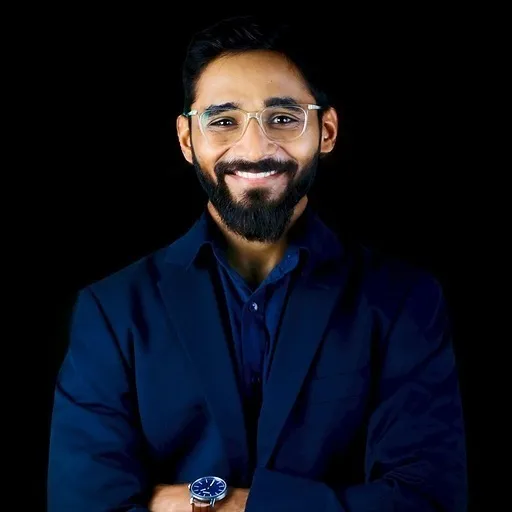
Aman Gour Bet on the Boring Work
He entered insurance with no industry résumé, a box of doughnuts and a habit of choosing discomfort. Now Aman Gour is turning the paperwork between an email and an underwriting decision into software.

Akhil Voorakkara Is Building the Ocean Company One Hard Lesson at a Time
The Ulysses co-founder began with a leaking seed-planting prototype, learned what salt water does to confidence, and returned with a broader plan for autonomous work at sea.
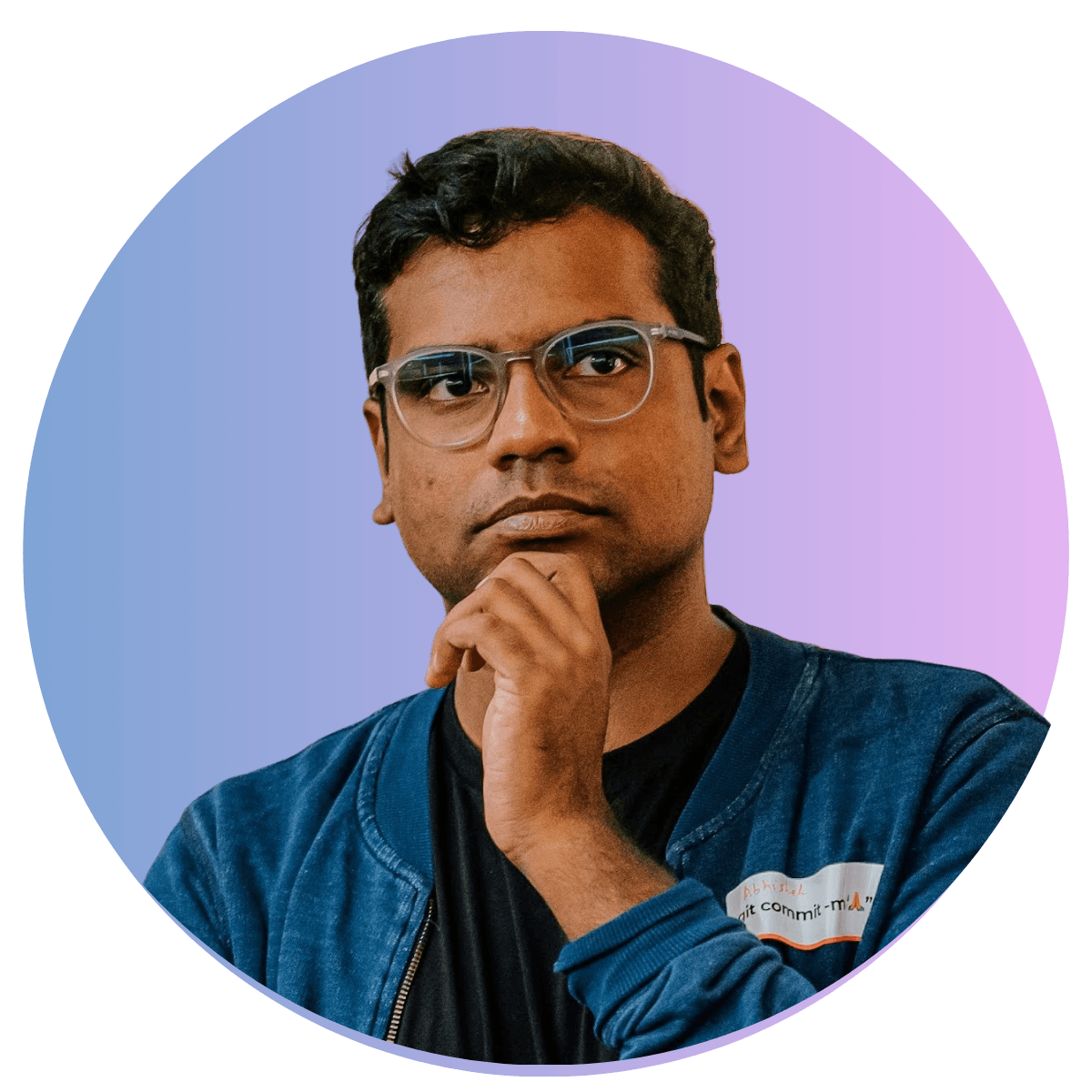
Abhishek Nayak
After two exits, one shutdown and years spent watching teams rebuild the same back-office software, Abhishek Nayak found his durable idea in the work nobody puts on a billboard.