robotics-founder
(6)
Andy Li Taught the Forklift to See
Before VisionNav moved pallets in more than 30 countries, its co-founder was solving a quieter problem: how a robot could know where it was by looking around. Andy Li turned that research question into an industrial company built for the unruly geometry of real warehouses.
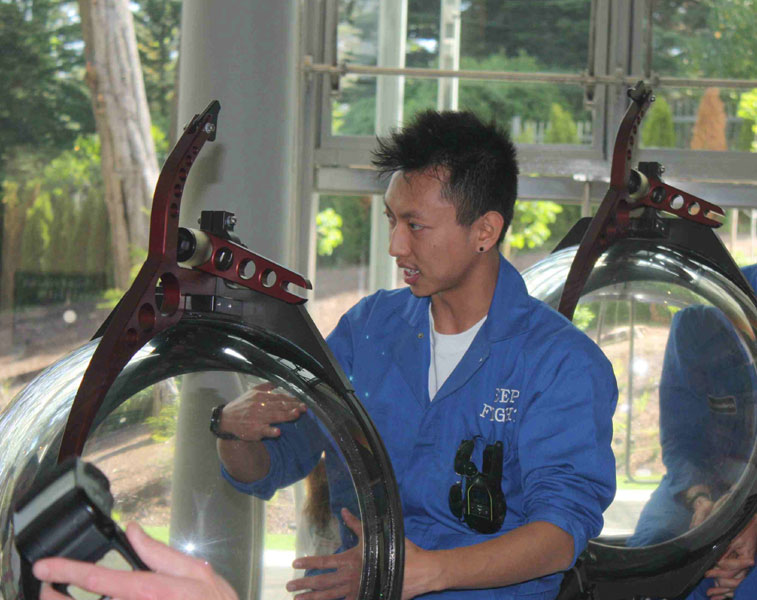
Charles Chiau and the Art of Building Where Pressure Wins
He learned engineering in places where a loose screw can cost a day and the ocean punishes wishful thinking. Now the Bedrock co-founder is turning two decades of vehicle-building into a fleet designed to make the seafloor legible.
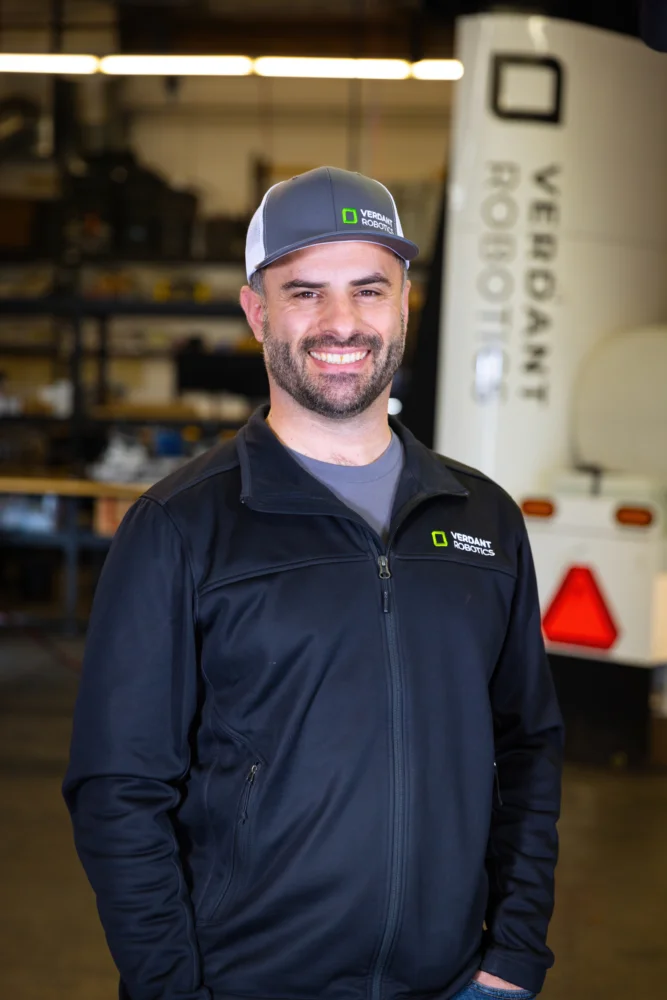
Gabe Sibley Left the Road for the Row
After Mars-yard robots, self-driving cars and sidewalk couriers, Gabe Sibley found a more immediate autonomy problem in a farm field - one weed, one nozzle and one careful shot at a time.

Ary Indarapu Is Building the Part of Robotics That Begins After the Demo
The Avea Robotics co-founder is betting that robots will reach the real world through better operations, not prettier demos - one remote intervention at a time.

Rahul Chipalkatty Is Teaching Factory Robots a Useful Trick: How to Change Their Minds
After years spent studying how people and machines share control, the Boston roboticist built Southie Autonomy around a stubbornly practical idea: the person on the line should be able to teach the robot.

Akash Gupta Is Teaching Warehouses to Think in Motion
He began with a humanoid, two suitcases of electronics and an impatience with theory. Now the GreyOrange co-founder is betting that the useful future of AI will be measured in shelves moved, orders shipped and decisions made on the warehouse floor.