resident-experience
(13)
Thad Tarkington Found a Business Hiding in the Air Filter
A ruined Saturday suggested a subscription. The stranger clue came later: customers ordering filters for dozens of homes, pointing two college founders toward a much larger problem.

Plentific Wants to End the Repair Chase
A broken boiler is one problem. Finding out who is fixing it can become another. Plentific is building a business around the space between the two.

The air filter that ate the lease
Second Nature began with two students trying to remember an air filter. Now it wants to choreograph the whole rental relationship - lease, insurance, internet, credit score and all.

AppFolio Turned Property Management’s Paper Cuts Into a Billion-Dollar Software Business
The founders walked away from salons and greasy repair-shop keyboards. Twenty years later, their bet on property managers has become a $1 billion-a-year lesson in choosing a market with painful work, sticky data, and customers willing to pay.

Kelly Davis-Felner Has Spent a Career Making Complicated Technology Feel Obvious
From Wi-Fi standards to tax bills and fishing licenses, the PayIt CMO keeps returning to the same deceptively hard assignment: turn complicated systems into experiences ordinary people can trust and use.
PayIt Put a Checkout Button on City Hall - Then Learned Ease Is Not Adoption
PayIt built a modern front door for taxes, tags and tickets without asking government to bulldoze the systems behind it. Grand Rapids shows the playbook can work; Toronto shows exactly where it can crack.
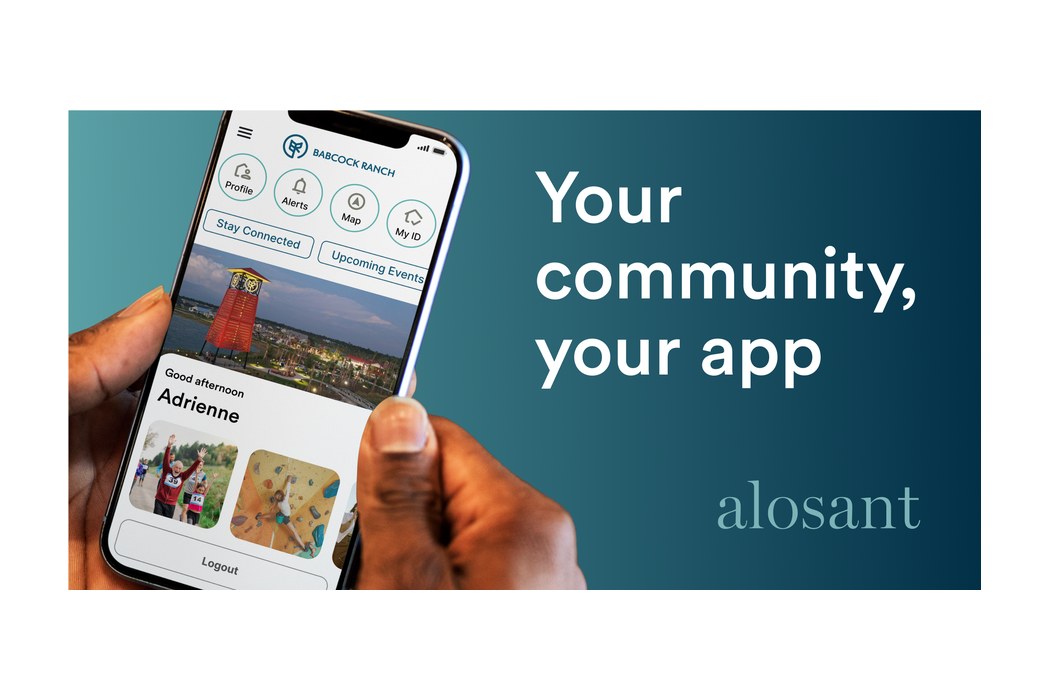
Alosant Beat App Fatigue by Making Itself Disappear
A nine-month custom build became a vertical SaaS business by hiding the vendor, simplifying the login, and selling patience to real-estate developers. The playbook is unusually copyable - if your niche has identity, long-lived customers, and expensive fragmentation.
The Most Expensive Thing in Property Management Is the Repair Nobody Can See
Property Meld turned the humble work order into a trail of decisions, messages and measurable outcomes. Now its bet is bigger: that maintenance deserves an operating system of its own.
The Operating System Behind 24 Million Front Doors
RealPage began by putting apartment ledgers online. Now its software reaches from the first leasing inquiry to the final rent payment - and its next act is an AI workforce built for the unglamorous machinery of rental housing.

TULU
TULU is a proptech company that turns underused lobby and common space in apartment and student-housing buildings into 24/7 on-demand rental hubs. Through IoT-based units and a mobile app, residents can rent or buy brand-name products - from vacuums and e-scooters to VR headsets and household consumables - without owning them. Founded out of MIT's DesignX by Yishai Lehavi and Yael Shemer, the company pairs physical smart units with an AI layer that personalizes inventory per building, and it has served more than 500,000 residents across dozens of cities in North America and Europe.
Or Bokobza
Or Bokobza is co-founder and CEO of Venn, a New York-headquartered proptech company that builds a resident-experience operating system for multifamily property owners. He founded Venn in 2017 with fellow Israeli special-forces veterans Chen Avni and David Sherez after a hands-on urban revitalization experiment in Tel Aviv's Shapira neighborhood. Venn now operates across dozens of cities in the US and Europe and, as of late 2025, has raised roughly $140M in venture funding.

Cobu
Cobu is a Boston-based proptech company that turns apartment residents into a real community - and turns that community into occupancy. Its resident-powered, AI-enabled platform runs building-wide chats, interest groups, in-person events, and always-on Google review and referral outreach, backed by a team of virtual community managers. For renters it fights isolation; for owners and operators it drives signed leases, higher renewals, better online reputation, and less busywork for on-site teams. Founded in 2018 as Doorbell, Cobu is used across dozens of U.S. states and by many of the country's largest multifamily operators.
Ounce of Care
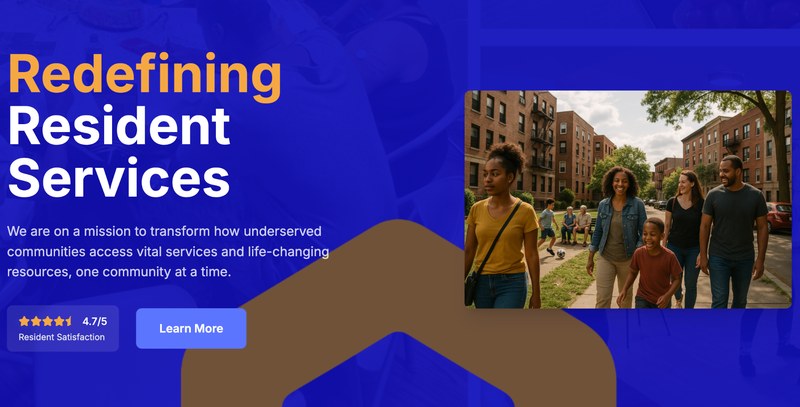
Ounce of Care (brand name: Ounce) is a New York-based company building the tech-enabled resident services layer for affordable housing. It embeds on-site Community Navigators and virtual care teams inside apartment communities, then uses its Ounce Hub platform to enroll residents in public benefits like SNAP and Medicaid, coordinate health and social services, and run educational programming. The result is a rare win-win: residents get stability and support, and property owners get better retention, occupancy, and asset performance.