renewable-natural-gas
(11)
The Poison Gas That Became a Product
Streamline Innovations built a business around an ugly molecule: hydrogen sulfide. Its trick is to make the poison disappear without making a second mess.
ERock found a second job for the backup generator
A machine that waits for a blackout is an expensive spectator. ERock puts onsite power to work for the grid - and now for AI companies impatient to plug in.
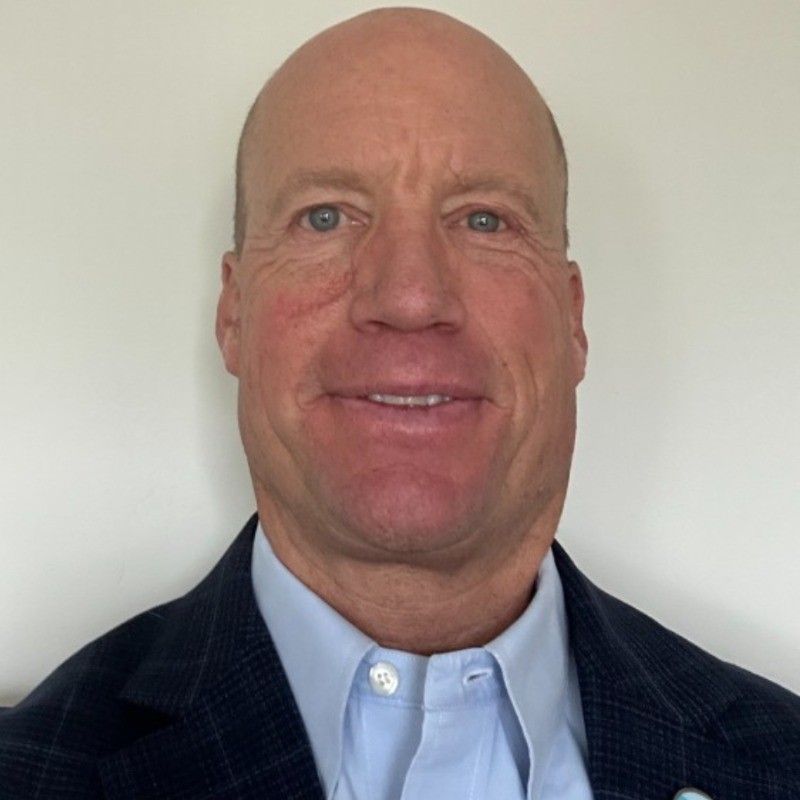
John McKinney Spent Decades Learning How to Make Waste Pay
Before renewable natural gas became an institutional asset class, John McKinney was learning its least glamorous lessons: permits, feedstock, financing and patience. Sevana Bioenergy is the result - a company built to make difficult infrastructure work.
FortisBC’s $697.6 Million Bet: Can a Gas Utility Reinvent the Pipe Before the Rules Reinvent It?
FortisBC is trying to modernize a century-old energy system without making reliability or affordability the collateral damage. The playbook is unusually practical: blend cleaner fuels, fund many small experiments, partner early and let regulators kill the ideas that cannot yet carry their cost.
The Company That Turns Cow Manure and Table Scraps Into Pipeline Gas
Founded in 2017, Sevana Bioenergy builds the tanks where dairy manure and rotting food break down into pipeline-grade fuel. Then it bought the biggest one in North America for pennies on the dollar.

Smithfield Foods
Smithfield Foods is betting that the future of pork belongs to the company that can control the animal, the factory, the brand and the refrigerated truck - then make all four work as one.
Divert, Inc.
Divert, Inc. is a Concord, Massachusetts impact technology company on a mission to prevent food from being wasted. Founded in 2007, it pairs data-driven prevention software with reverse logistics and a network of anaerobic digestion facilities that turn unsold and non-donatable food into renewable natural gas and soil amendment. Divert serves more than 7,800 retail and industrial customer locations - including Kroger, Albertsons, Target, CVS and Ahold Delhaize - and reached a valuation of over $1 billion following a 2026 Series C led by Mitsubishi Corporation.

SeekOps Inc.
SeekOps is an Austin-based climate-technology company that mounts a NASA-derived laser methane sensor, the SeekIR, onto enterprise-grade drones to detect, locate, quantify, and report methane emissions for energy, renewable natural gas, and waste operators. Spun out of NASA's Jet Propulsion Laboratory in 2017, its drone-agnostic Leak Detection and Quantification (LDAQ) systems help operators meet regulatory frameworks such as OGMP 2.0, EPA rules, and the EU Methane Regulation, and have been deployed onshore and offshore for majors including bp, Shell, TotalEnergies, and Equinor.

Proteum Energy
Proteum Energy is a Phoenix-based cleantech company that turns wasted flare gas and residual hydrocarbons into clean hydrogen, renewable natural gas, and designer fuels. Using its patented modular Flare-to-Fuel platform and steam non-methane reforming (SnMR) technology, Proteum helps oil, gas, and ethanol producers cut emissions and profit from assets that would otherwise be burned off into the sky.
L-Charge
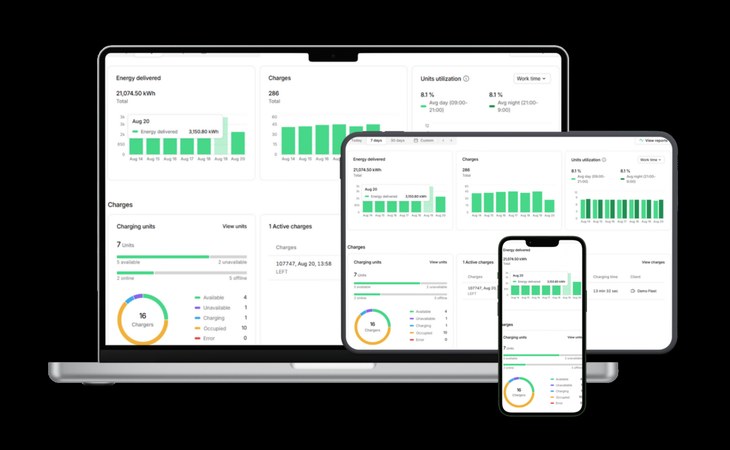
L-Charge designs, manufactures, and operates scalable off-grid ultrafast EV charging solutions. Using modular power units that run on natural gas, renewable natural gas, and other low-carbon fuels, the company delivers Charging-as-a-Service to commercial fleets, ports, airports, school districts, and construction sites - bypassing utility queues and grid bottlenecks.

Terry Kennon
Terry Kennon is a chemical engineer turned investment banker turned clean-energy builder who serves as Executive Vice President and Chief Technology Officer of Proteum Energy in Phoenix, Arizona. He took on the President role in March 2019 after roughly four years as CTO. With more than 30 years across chemical engineering, biofuels investment banking at J.P. Morgan, and renewable-energy entrepreneurship, Kennon now leads Proteum's patented technology that reforms renewable ethanol into low-cost, low-carbon hydrogen and 'designer fuels' - and turns wasted flare gas into usable product. He is a named inventor on the company's core patents and directs both its technology roadmap and its intellectual-property strategy.