political-campaigns
(13)
The Campaign Never Ends - Precision Learned to Live Inside It
The Obama veterans who turned campaign urgency into a corporate service are making a more surprising bet: that the future of persuasion is bipartisan, measurable, and always on.

The Campaign Never Ends
A digital shop born in an Obama campaign became a transatlantic influence machine. Its wager is simple: in a fractured media world, the agency that can measure belief can also learn how to move it.

The People Between the Rooms
Nation Consulting built a business in the awkward space where a press statement, a government decision and a roomful of stakeholders all become the same problem.

The Quiet Business of Making People Believe You
Spero Studio’s wager is simple: the most effective message is not the cleverest one. It is the one delivered by a voice the audience already has reason to trust.

The Small-Town Agency That Thinks Like Election Day Is Always Eight Months Away
From a Goshen office, Focus Media turns tourism campaigns, planning approvals and car-dealer ads into the same kind of contest: know the audience, seize the calendar and repeat one clear message until it moves.

Ex Marketer Makes Digital Marketing Human Again
The Los Angeles boutique agency sells an antidote to bloated digital campaigns: fix the plumbing, find the audience, and make every click answer for itself.

The Campaign Firm That Asked One Better Question: Did You Poll in Chinese?
Imprenta turned a political organizer's instinct into a communications business: ask people in their own language, listen before buying media, and treat culture as strategy rather than decoration.
BASK Digital Media and the voters TV couldn’t reach
A ballot campaign found that 23% of its undecided audience was beyond traditional TV’s reach. BASK’s response reveals how this political agency works - and why it is now watching AI search.
IVC Media makes the complicated worth caring about
A water bill, a campus expansion, a benefits form: IVC Media works where attention is scarce and the explanation matters. Its business connects public affairs with the people who can actually make the campaign.
LaMont Digital knows who gets the message passed along
From disaster warnings to political campaigns, this Latino-owned agency builds messages for the people who will carry them. Its work makes a useful distinction between being seen and being shared.

Mark Kornblau Has Spent a Career Making Big Institutions Legible
From campaign planes to the United Nations, JPMorgan and NBC News, Mark Kornblau learned that the hardest communications job is not producing more messages. It is finding the one story an institution can keep proving.
Hustle
Hustle is a San Francisco-based text and mobile messaging platform built for one-to-one conversations at scale. Founded in 2014, it lets organizations reach supporters, students, members and voters through peer-to-peer texting, broadcast SMS, a voice dialer and in-message video - with humans, not autodialers, pressing send. Widely used by political campaigns, nonprofits, higher-education fundraising teams and labor unions, Hustle has powered more than a billion messages and, since April 2026, is independent and employee-owned.
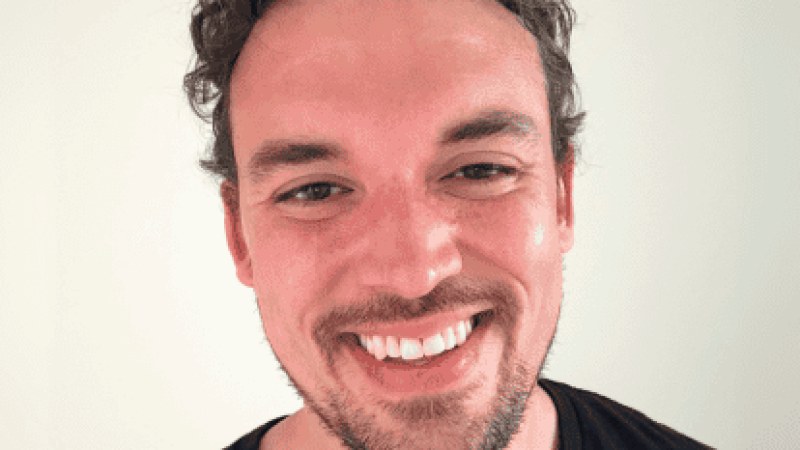
Jesse Hassinger
Jesse Hassinger is the CEO of Hustle, a San Francisco-based peer-to-peer text messaging platform used by nonprofits, political campaigns, labor unions, and universities to mobilize people at scale. With over eight years at Hustle progressing from Director of Support to Director of Product before taking the helm as CEO in early 2025, Hassinger brings a rare blend of grassroots political organizing experience and deep product intuition to leading one of the most widely adopted civic tech platforms in the country — one that has facilitated over one billion text conversations.