pay-by-bank
(12)
Todd Clyde and the art of making money boring
He moved from San Francisco to London to help change how people pay. At Token.io, Todd Clyde is betting that the future of payments belongs to the companies willing to do the unglamorous work.
Dutchie turned a dispensary queue into a software business
An online menu was the beginning. Dutchie’s bigger wager is that cannabis retailers will pay to have the register, inventory, payments and customer memory agree with one another.
The Bank Transfer With a Promise
Link Money began with a cheaper way to pay. Its more consequential invention was giving merchants a reason to trust a bank transfer before the money arrives.
Token.io Wants the Card Machine to Become a Bank Login
The London fintech does not want shoppers to know its name. It wants banks and payment companies to put their own names on a cheaper route from checkout to current account.
TrueLayer Wants to Make the Card Number Obsolete
The London fintech started by turning stubborn bank systems into tidy APIs. Ten years, two acquisitions and a bruising reset later, it is attempting something larger: a European payments network that can handle debit, recurring charges and credit without a card in sight.

The $5.3 Billion Deal That Died - and the API That Got Bigger
Plaid was supposed to disappear into Visa. Instead, the blocked $5.3 billion sale left it free to turn a bank-linking button into a broader financial intelligence network - with a valuation reset, a privacy reckoning and one very copyable startup lesson along the way.
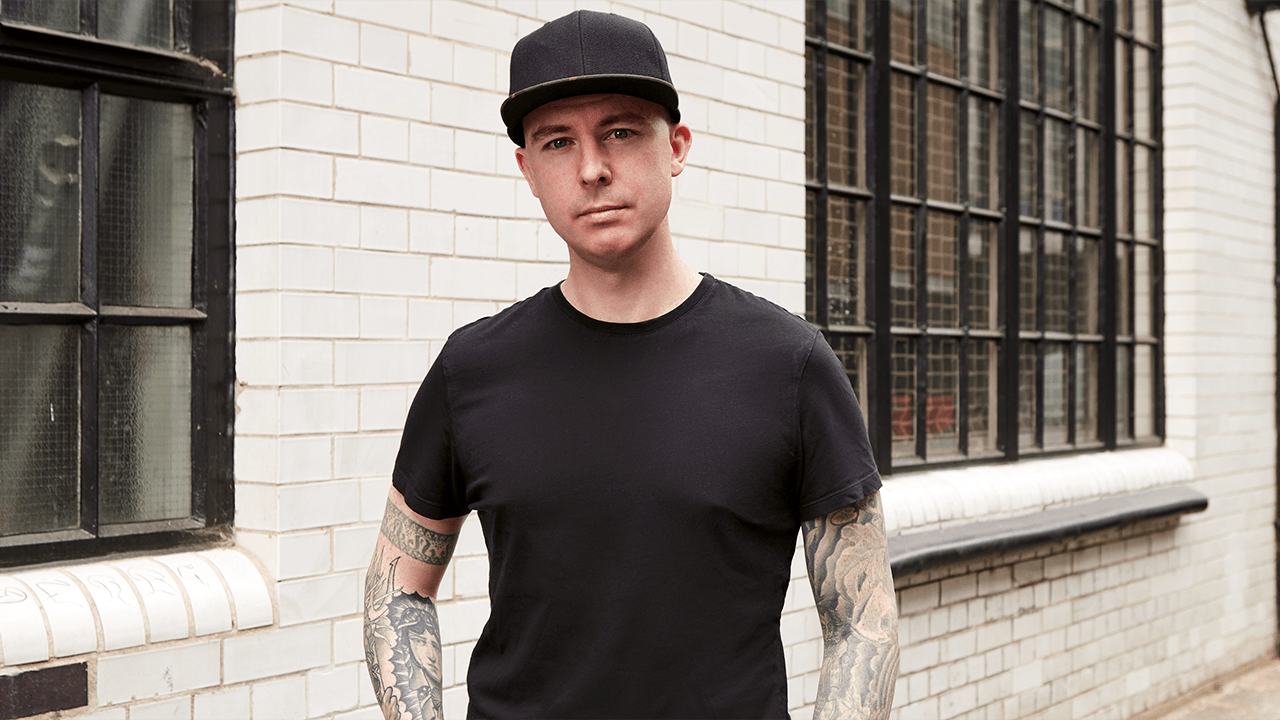
Brad Goodall Spent Eight Years Making the Card Optional
An Australian founder went to London, learned the plumbing of modern finance, and built a checkout alternative with banks instead of against them. After Banked’s acquisition by NAB, his most useful lesson is less about the exit than the patience required to change how money moves.
The Australian Who Built a British Card-Killer - Then Sold It Back to Australia
Banked spent eight years trying to build a payments network cheaper than cards. In May 2026 National Australia Bank bought the whole thing - and pointed it at home.

Palomma
Palomma is a Medellin-based fintech building an AI-native banking platform for real estate in Latin America, starting with rent. It deploys AI agents that handle leasing, sales, and collections for property managers across WhatsApp, SMS, and phone calls 24/7, then layers on payment collection and disbursement to own the flow of rent and monetize it through credit and insurance products. Founded in the Y Combinator Winter 2023 batch, the company originally launched as a frictionless Pay-by-Bank API for LatAm merchants before pivoting to real estate.

Accrue
Accrue is a New York fintech that powers modern customer loyalty at the payment layer. Its brandable, stored-value digital wallet lets merchants take control of their payments and refunds, reward repeat customers, and reduce reliance on traditional card networks. Founded in 2021 by Michael Hershfield as a 'save now, buy later' alternative to BNPL, the company has expanded into a full-stack wallet, reward engine, pay-by-bank payments and closed-loop refunds used to lift order value and shopper frequency.
Interchecks
Interchecks is a New York-based payments infrastructure company that moves money fast and safely for high-volume businesses. Through a single API and a no-code Payer Portal, it powers both funding (pay-by-bank deposits, account funding) and payouts (push-to-card, real-time payments, ACH, PayPal, Venmo, and checks), layered with built-in risk controls and 1099 tax compliance. Its platform is used across online gaming, prediction markets, on-demand payroll, and digital banking, and the company says it has processed more than $50B in transactions.
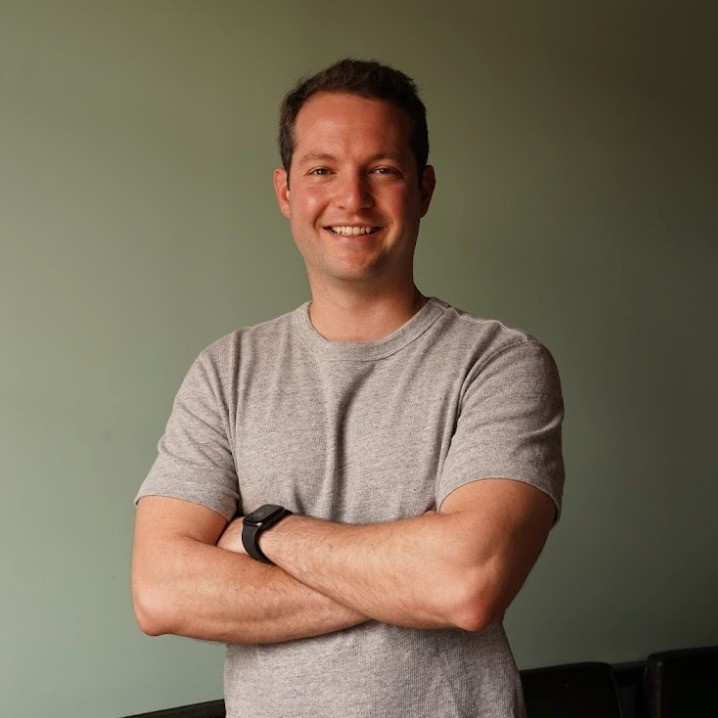
Dylan Massey
Dylan Massey is the co-founder and CEO of Interchecks, a New York-based instant-payment platform that moves deposits and withdrawals for sportsbooks, lenders, fintechs and banks. A former Goldman Sachs analyst and University of Chicago economics grad, he started the company in 2016 and has built it into infrastructure that has processed more than $50 billion, powering money movement for names like FanDuel, DraftKings, BetMGM and Credit Karma Money. In 2022 Interchecks raised a $16M Series B co-led by Senator Investment Group and Standard Investments.