ocean-conservation
(8)
Upwell gave the ocean a PR department. Who would pay for it?
A small San Francisco nonprofit turned online listening into shared campaigns for the sea. Its experiments outlived the organization - and left a difficult question about who funds work that benefits everyone.
World Surf League sells the ocean. The ocean has other plans.
Professional surfing has sponsors, streaming deals and a world title race. Its most powerful business partner still refuses to keep a schedule.
Robert Mock Bet the Company on a Seaweed Chip. The Recall Made Him Smarter.
A former derivatives banker tried to make seaweed crunch like a tortilla chip, lost the bet, and rebuilt around a better signal: what shoppers actually put in their carts.
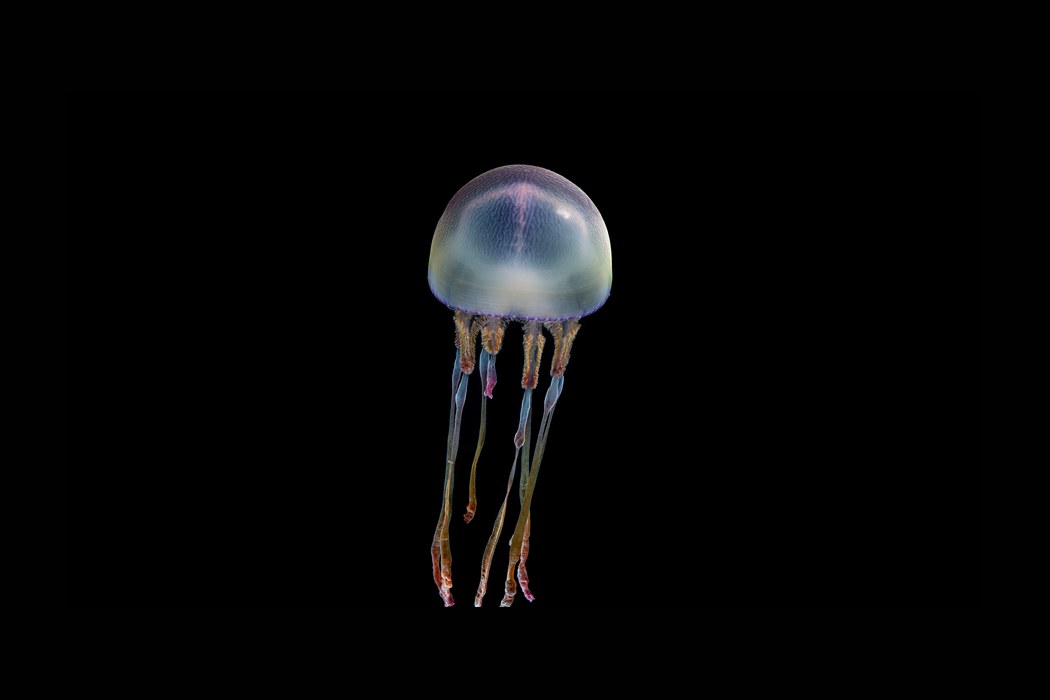
The Aquarium That Turned Wonder Into an Ocean Policy Engine
Inside a recycled sardine cannery, Monterey Bay Aquarium built a rare machine: part museum, part laboratory, part classroom and part pressure group. The fish are the beginning of the story, not the end.
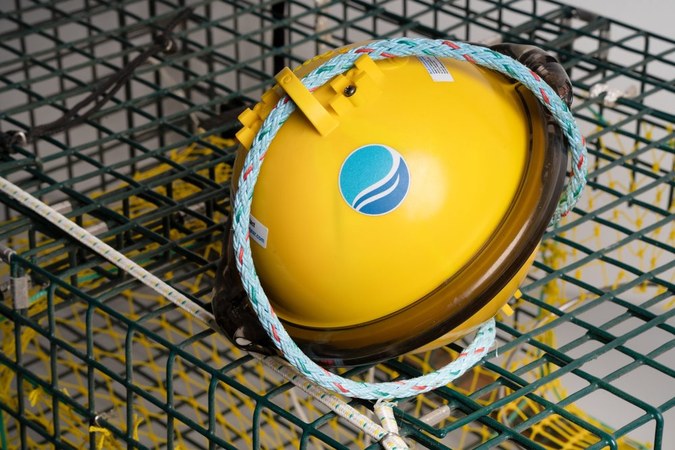
Blue Ocean Gear
Blue Ocean Gear builds Smart Buoys - rugged, connected buoys that track the real-time location and movement of fishing and aquaculture gear deployed at sea. Using dual-band satellite and radio links feeding a cloud platform and mobile app, the company helps commercial fishers find lost gear faster, spot problems early, cut fuel-burning search time, and reduce 'ghost gear' that fouls the ocean. Founded in 2015 and based in Sausalito, California, it serves wild-capture fisheries, aquaculture farms, and research institutions from New England to the South Pacific.
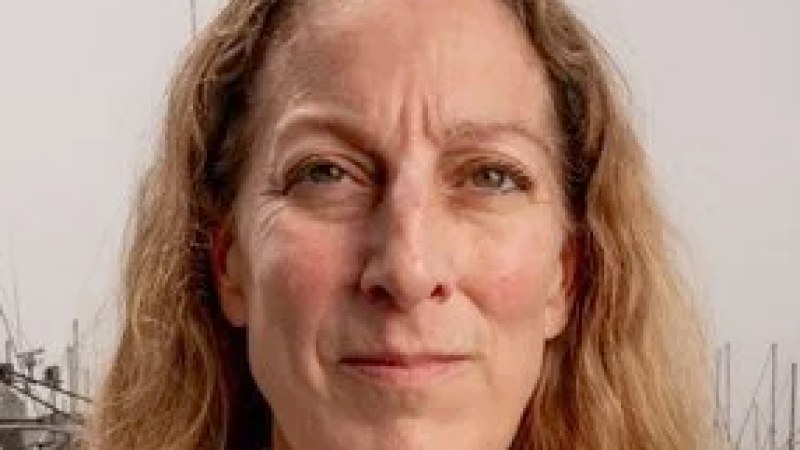
Kortney Opshaug
Kortney Opshaug is an aerospace-engineer-turned-ocean-entrepreneur and the CEO and founder of Blue Ocean Gear, a Sausalito-based startup whose orange-and-yellow Smart Buoys put GPS and sensors on fishing gear so commercial fishers can track, recover, and learn from equipment that would otherwise drift off as 'ghost gear.' With a Stanford PhD in aerospace and two MIT degrees in aeronautics, she spent years on docks listening to fishermen before designing hardware tough enough for the open ocean. Her buoys now ride the waters off Alaska, Nova Scotia, and the Caribbean, backed by NOAA SBIR funding and a Series A round, turning a tool for finding lost traps into a real-time data platform for a more sustainable ocean economy.

Justin Kolbeck
Justin Kolbeck is Co-Founder and CEO of Wildtype, the San Francisco-based cultivated seafood company that became the first to receive FDA regulatory clearance for cell-grown salmon in the United States. A former U.S. Foreign Service Officer who served in Pakistan and Afghanistan, Kolbeck channeled his firsthand experience with global food insecurity into co-founding Wildtype in 2016 alongside cardiologist and microbiologist Aryé Elfenbein. The company has raised over $123 million in funding - including a record $100 million Series B backed by Leonardo DiCaprio, Jeff Bezos, and Robert Downey Jr. - and launched its sushi-grade coho salmon at award-winning restaurants in 2025. Wildtype's salmon, grown in stainless steel bioreactors in a converted San Francisco brewery, was named one of TIME's Best Inventions of 2025.
Wildtype
Wildtype is a San Francisco-based cultivated seafood company that grows real salmon from fish cells in stainless steel bioreactors - no fishing, no farming, no ocean required. Founded in 2016 by a cardiologist-turned-food-scientist and a former U.S. Foreign Service officer, the company received FDA clearance in May 2025, making it the first cultivated seafood product approved for sale in the United States. With $123.5M raised and backing from Jeff Bezos, Leonardo DiCaprio, and Cargill, Wildtype is betting that the future of seafood is grown, not caught.