north-america
(20)
The Conference Company That Sells the Collision
For three decades, Strategy Institute has sold something executives insist cannot be scheduled: a useful encounter. Its trick is to engineer the room before anyone enters it.
Metrie Built a 100-Year Business by Cutting the Paint Job in Half
The family-owned millwork company survived a century by turning trim from an afterthought into a system. Its most useful lesson for builders is simple: sell fewer decisions, fewer job-site steps and fewer reasons for a callback.
Boyd Interactive Paid $170 Million for the Part of Online Gambling Nobody Sees
The casino brand gets the neon. Boyd's quieter wager was on the account system, compliance work and operating muscle underneath it - infrastructure that can power its own apps and other operators' ambitions.
MiddleGround Capital Put the Factory Floor in the Investment Committee
Its founders learned industry from the assembly line and the deal room. Now the firm is testing whether operational fluency can turn overlooked B2B manufacturers into stronger, more valuable businesses.
The 123-Year-Old Private Equity Firm That Starts Planning the Exit on Day One
HKW reviews more than 1,000 opportunities a year, then applies a four-team system to the few it buys. The unusual part is not the funnel - it is that the exit team gets involved as soon as the deal closes.
The Private Equity Firm That Treats Software Like a Repeating Problem
Spotlight Equity Partners buys control of established software companies, then sends operators into the machinery. Its wager is that lessons learned in libraries, databases, identity and industrial maintenance can travel from one niche to the next.
The Pritzkers Built Hyatt and Marmon. Now They Buy the Companies Nobody Will Sell to a Fund.
Tony Pritzker turned a family fortune built on Hyatt and the Marmon Group into a private equity firm that sells patience - and just raised $3.4 billion on the promise it will not rush the exit.
The Water Giant Hiding in Plain Sight
Primo Brands owns many of the water labels Americans recognize, but its real advantage is the system behind them: springs, bottles, refill stations, dispensers and delivery routes. The 2024 merger created scale across nearly every way people buy water - and a difficult integration test to match.
Keel Infrastructure Is Betting the AI Boom Will Be Won Before the Servers Arrive
The company formerly known as Bitfarms has traded Bitcoin mines for a 2.2-gigawatt pipeline of powered sites. Now it has to turn scarce megawatts into long-term tenants.
The Company Behind Your Oil Change Is Quietly Building Car Care's Operating System
Driven Brands has turned a scattered chore - keeping a car alive - into a portfolio of familiar local shops backed by one shared machine. Its next chapter depends on making that machine simpler, faster and more disciplined.
The Company Behind the Juice Label You Never Noticed
Lassonde sells Oasis, SunRype and Apple & Eve. Its quieter business is helping major retailers put their own names on juice, sauce and soup - a century-old factory skill now producing nearly C$3 billion in annual sales.
The 4,000-Café Bakery That Is Quietly Rebuilding America’s Neighborhood Cake Counter
Paris Baguette’s name points to France, its operating system comes from South Korea, and its growth plan is unmistakably North American. The result is a bakery-café built to make an everyday pastry run feel like an occasion - then repeat it hundreds of times.
How Ferrero Turned a Hazelnut Shortage Hack Into a $22 Billion Snack Empire
The family behind Nutella spent eight decades turning scarcity into a system: invent a distinctive product, control the details, and give it time to become a ritual. Now Ferrero is applying that playbook to everything from protein wafers to Froot Loops.
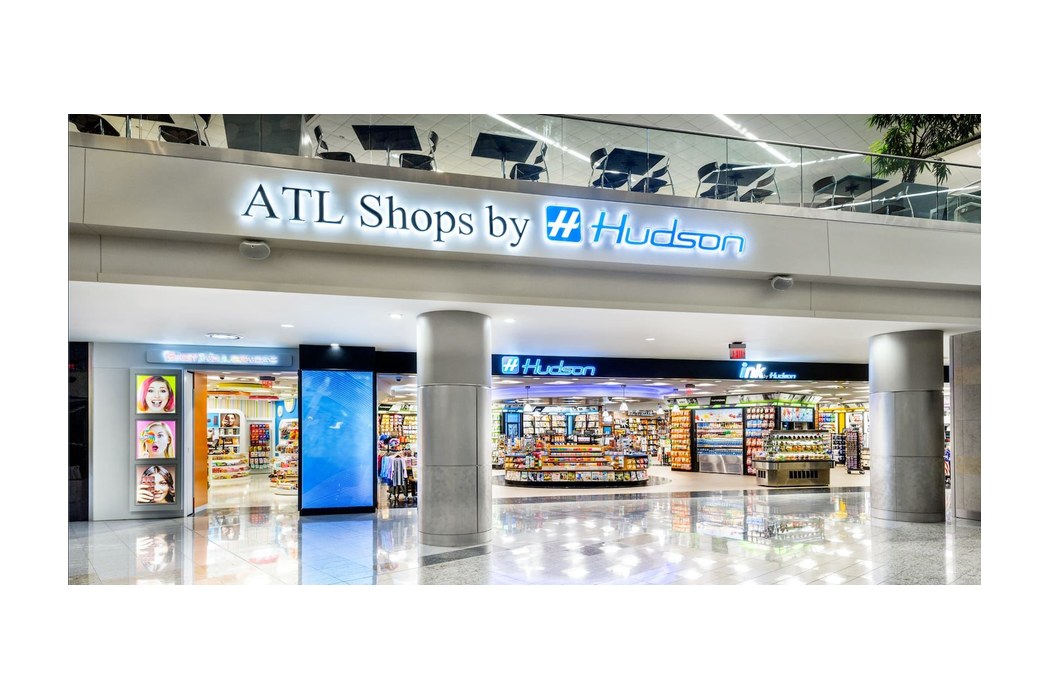
The Airport Store That Learned to Sell You Time
Hudson built an airport empire on the things travelers forget. Its next act is turning dead time at the gate into a locally flavored, digitally streamlined retail business.
The Company Behind Your Coffee Break Is Preparing to Split in Two
Keurig Dr Pepper built an unusual empire by pairing supermarket coolers with kitchen counters. Now, after buying JDE Peet's, it is integrating a global coffee business while preparing to turn one sprawling beverage company into two focused ones.

Peloton Capital Management
Peloton Capital Management is betting that the best middle-market businesses need a longer runway, not a faster flip. Its founder-first model has turned patient capital into an 11-company portfolio across healthcare, financial and consumer services.
PENN Entertainment, Inc.
How a family racetrack in Grantville, Pennsylvania grew into a 43-property casino operator - and why it just walked away from ESPN to bet on its own brand.
Global Industrial Company
The 77-year-old distributor has turned the unglamorous work of keeping facilities supplied into a $1.38 billion business. Its next act is to make a sprawling catalog feel less like a warehouse and more like an expert on call.
Ferguson
Ferguson built a $31 billion business around a stubbornly physical promise: when a contractor needs the right valve, fitting or air handler, the answer cannot arrive next week. Its real product is certainty - inventory, expertise and last-mile execution wrapped around more than a million parts.

Pro Padel League
Pro Padel League (PPL) is North America's premier professional padel league, founded in 2023 by CEO Mike Dorfman. It runs a city-based franchise model of 10 teams across the U.S., Canada and Mexico, each fielding both men's and women's sides, with a season of multi-city events culminating in the City's Cup Finals. Backed by a $15M Series A led by Charlotte Hornets governor Rick Schnall, PPL is building the commercial and broadcast infrastructure to capitalize on padel's rapid growth in the American market.