membrane-technology
(9)
Alex Rappaport Bet on the Water Nobody Wanted
He started as a river guide, found a neglected piece of university science, and built ZwitterCo around an unglamorous industrial problem: filters that foul. The useful lesson is less about having an idea than learning how to carry one into the world.
The $106 Million Bet on a Membrane That Refuses to Stay Dirty
Industrial membranes often fail first where the water gets interesting. ZwitterCo built its business around that ugly moment - and is turning cleanability into an operating advantage for factories, dairies and wastewater plants.
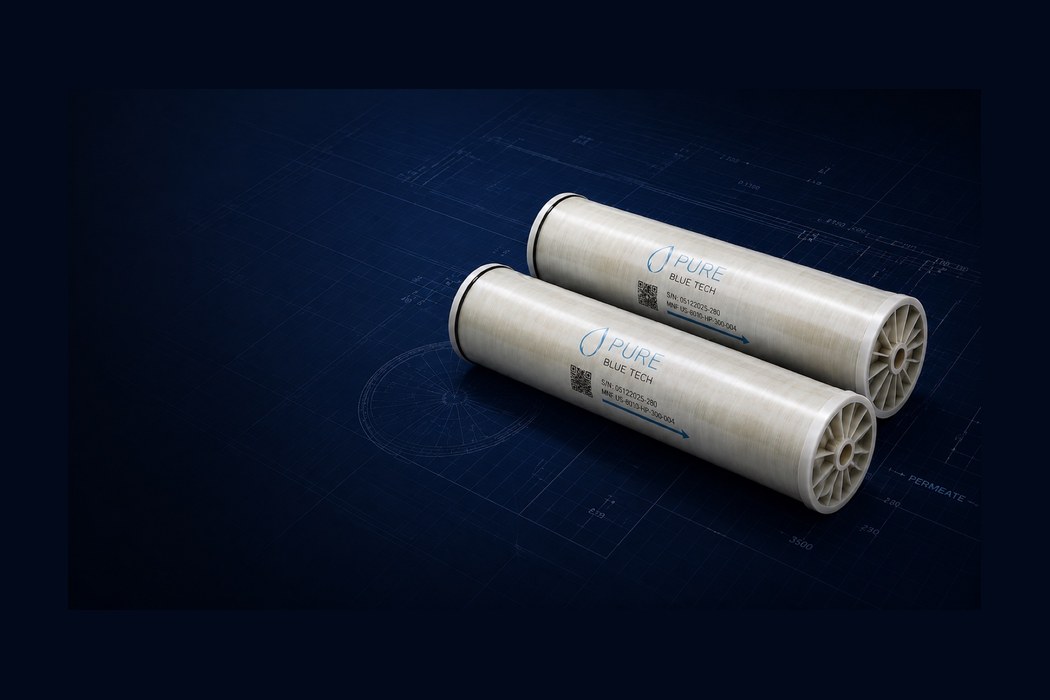
Pure Blue Tech Put a Tiny Speaker Inside a Water Filter - and Found a Cheaper Way to Fight the Gunk
Reverse-osmosis plants spend their lives fighting what sticks to a membrane. This 13-person Washington manufacturer wants to make the filter defend itself - without making operators rebuild the plant around it.

Ecolectro Is Trying to Make Green Hydrogen Cheap by Removing the Expensive Parts
The Cornell spinout spent a decade turning stubborn polymer chemistry into an industrial machine. Its wager is simple: green hydrogen gets cheaper when the stack stops shopping for precious metals.

Vimano
Vimano is a Bengaluru-based deep-tech startup building PFAS-free, ion-selective nanotech membranes for the electrochemical devices that power the energy transition - redox flow batteries, AEM electrolyzers, and hydrogen fuel cells. Its proprietary membrane platform tackles the ion-crossover problem that limits efficiency in long-duration energy storage and green hydrogen, and it also adapts the same polymer-film science to thermal management films for satellites. The company's stated goal is to sit inside 1 out of every 2 large-scale energy storage devices, electrolyzers and fuel cells on the planet.
Porifera
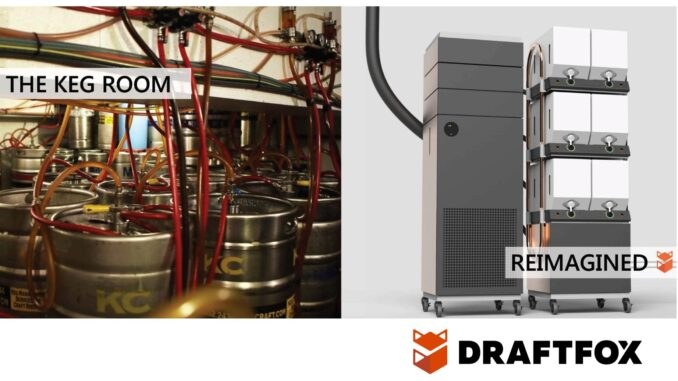
Porifera builds forward osmosis membrane systems that concentrate beverages and treat wastewater without heat or pressure. Its proprietary PFO technology removes water from juices, coffee, beer and wine while preserving flavor, aroma and color - cutting energy use up to 80% versus conventional evaporators. In 2025 the company launched Draftfox, a beer concentration and Microkeg dispense system that shrinks a keg by 6x.
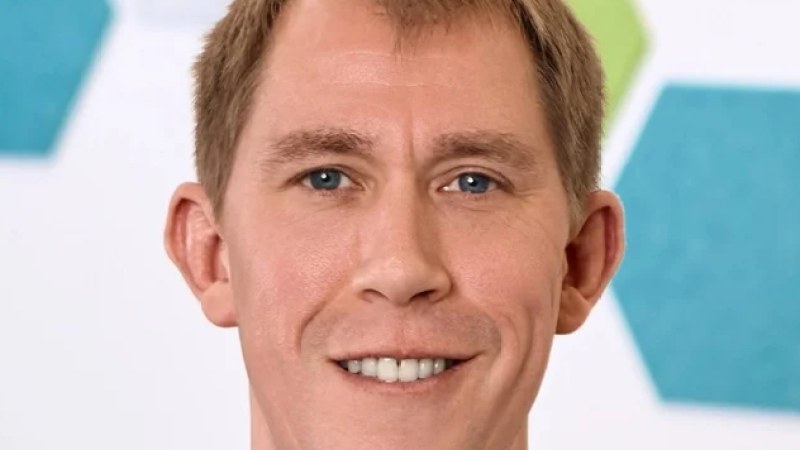
Brendan Smith
Brendan Smith is the co-founder and CEO of SiTration, an MIT spinout commercializing a tunable silicon membrane that recovers critical metals like copper, cobalt, nickel and lithium from mining waste and spent batteries without the mountains of chemicals the old way demands. A materials scientist who came to MIT from Canada in 2013, he turned a desalination-lab discovery into a venture-backed company that has raised roughly $14.4 million and partnered with mining giant Rio Tinto. He runs the company from a 11,000-square-foot pilot facility in Watertown, Massachusetts.

Murari Ramkumar
Murari Ramkumar is the founder and CEO of Vimano, a deeptech materials startup building PFAS-free, ion-conductive membranes for flow batteries, green-hydrogen electrolyzers and fuel cells. A materials scientist trained at NITK Surathkal and the University of Pennsylvania, he co-founded the company in 2019 with Dr. Nagesh Kini and is chasing an audacious goal: to put a Vimano membrane inside one of every two large-scale energy storage devices, electrolyzers and fuel cells on the planet. In 2025 Vimano raised roughly $2.9 million in seed funding led by Ankur Capital.

Olgica Bakajin
Olgica Bakajin is the CEO and Founder of Porifera Inc., a San Leandro, California-based company pioneering forward osmosis membrane technology for the food, beverage, and industrial water sectors. A physicist by training - B.A. from the University of Chicago and Ph.D. from Princeton - she spent nearly a decade at Lawrence Livermore National Laboratory developing carbon nanotube membranes that move water 1,000x faster than conventional materials. Her 2006 Science paper on carbon nanotube desalination became the most-cited chemistry article in the journal. In 2009 she spun Porifera out of LLNL, and the company now serves 100+ customers across 20+ countries, helping breweries, coffee roasters, and winemakers concentrate their products without heat, preserving flavor, aroma, and nutrients while slashing energy use by up to 80%.