medicare-advantage
(11)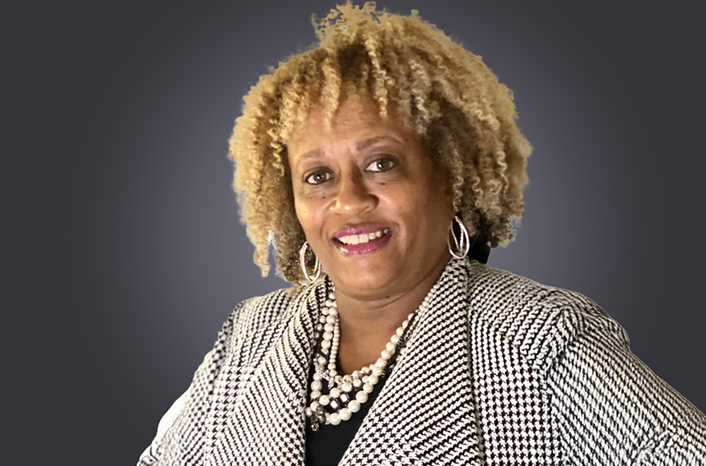
Karen Walker Johnson Learned to Listen at the Bedside. Now She Does It at Scale.
A pediatric nurse became a lawyer, an operator and, eventually, a chief executive. Across every reinvention, Karen Walker Johnson kept the same instrument close: the discipline of listening before designing the answer.
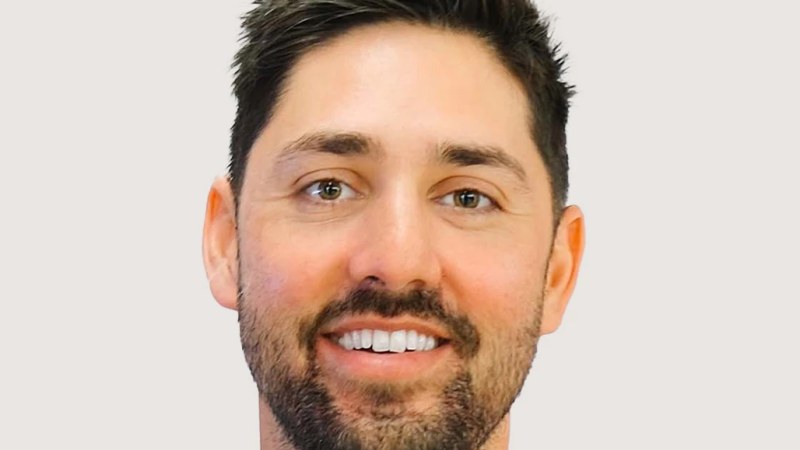
Matthew Loper
Matthew Loper is the co-founder and CEO of Wellth, a Los Angeles digital-health company that pays people small cash rewards for sticking to their care plans. A biological engineer from MIT turned healthcare banker and investor, he built Wellth around behavioral economics rather than technology - the idea that immediate, tangible incentives change what people actually do about their chronic conditions. Under his leadership Wellth has raised more than $73 million, including an oversubscribed $36 million Series C in 2025, and reports steep drops in hospital and emergency-room use among the high-need Medicare and Medicaid populations it serves.
Robbins Schrader
Robbins Schrader is the co-founder and CEO of SafeRide Health, a San Antonio-based technology company that runs non-emergency medical transportation (NEMT) for the country's largest Medicare Advantage, Medicaid, and provider programs. A former US Navy officer and Boston Consulting Group project leader with a Wharton MBA, he started the company in 2016 with his brother Whit Schrader and Ben Salter to fix healthcare's hardest mile: getting vulnerable patients to the care they need. Under his leadership SafeRide now coordinates more than a million rides a year and Schrader was named an EY Entrepreneur Of The Year 2024 Gulf South Award winner.
Dirk Soenksen
Dirk Soenksen is the co-founder and CEO of Ceresti Health, a Carlsbad, California digital-health company that treats the family caregiver as the unit of care for people living with dementia. An engineer by training, he first reshaped a corner of medicine by founding Aperio, the company that turned the glass microscope slide into a digital image and became the global leader in digital pathology before Danaher's Leica Biosystems acquired it in 2012. A coffee on his last day at Leica sent him into a second act: instead of imaging the brain, he set out to support the overwhelmed spouses and adult children caring for it.
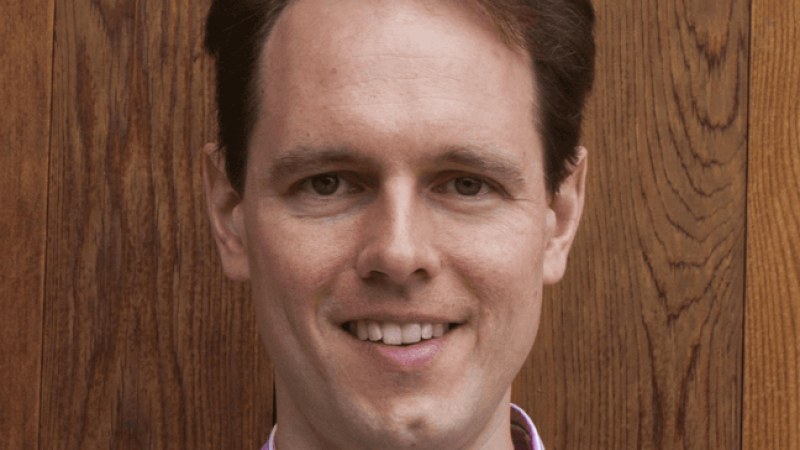
Thaddeus Fulford-Jones
Thaddeus Fulford-Jones is the London-born, MIT-trained engineer who co-founded and leads Radial (formerly Radial Analytics), a Concord, Massachusetts healthtech company that uses AI to guide clinicians through the high-stakes 'crossroads moments' of patient care - especially deciding where a patient should go after leaving the hospital. A serial founder, he earlier built and sold Locately, a pioneering GPS shopper-analytics firm acquired in 2012, before turning his fascination with behavioral 'nudge theory' and large-scale data toward value-based care. Radial's platform has analyzed data from 18 million patients and 82 million encounters to help more people recover safely at home.
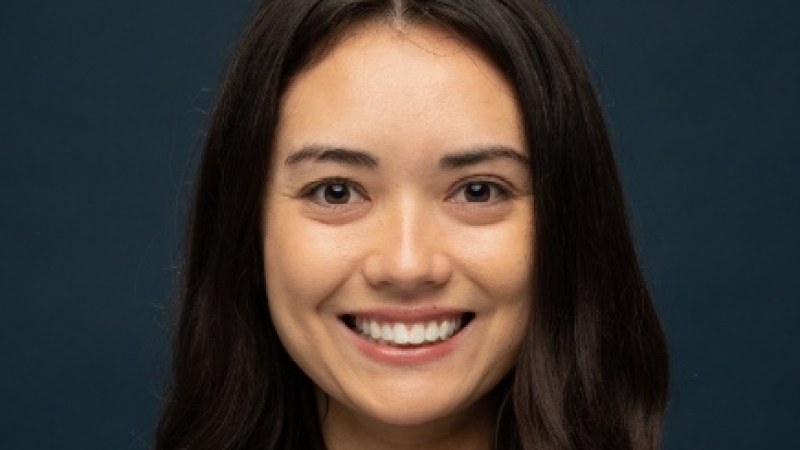
Amanda Rees
Amanda Rees is the co-founder and CEO of Bold, a Los Angeles based digital fitness platform that delivers personalized, science-based exercise programs to help older adults build strength, ease pain, and prevent falls. A Princeton-trained chemical and biological engineer who is also a longtime dance and tai chi instructor, Rees built Bold after spending most of her twenties caring for her grandmother and discovering how few preventive tools existed for aging well. Bold partners with Medicare Advantage plans and has raised about $27 million in total funding, including a $17 million Series A.

Cobi Blumenfeld-Gantz
Cobi Blumenfeld-Gantz is the CEO and co-founder of Chapter, an AI-powered Medicare navigation platform he started in 2020 after watching his own parents struggle to enroll. Built with co-founder Vivek Ramaswamy and early backing from J.D. Vance, Chapter crossed $100 million in annual recurring revenue and raised a $100 million Series E in April 2026 at a roughly $3 billion valuation. A former Palantir government-team lead with degrees from Wharton and Cambridge, he calls himself one of the most hated people in the Medicare brokerage business precisely because Chapter's advisors are paid to recommend the best plan rather than the most lucrative one.
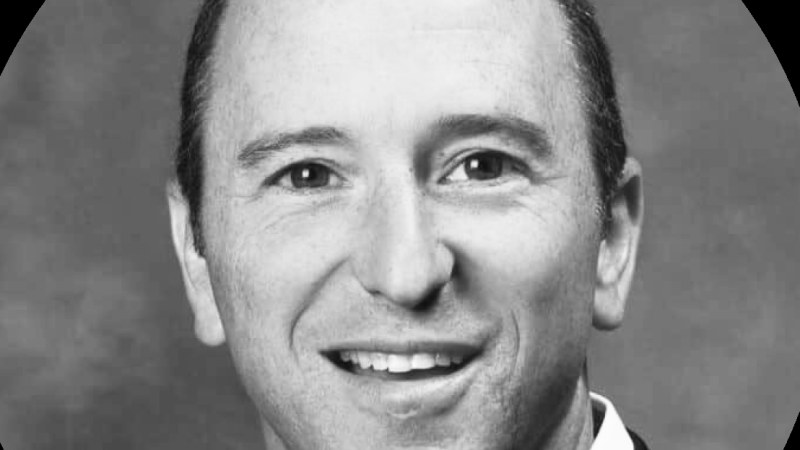
Nigel Ohrenstein
Nigel Ohrenstein is the CEO of Diagnostic Robotics, a Boston-based AI healthcare company building predictive tools for population health, triage, and care management. A UK-born former lawyer turned consultant, he has spent more than two decades operating at the front edge of value-based care: he scaled Express Scripts' Medicare business from under $10 million to over $500 million, co-founded the value-based care leader Lumeris, and served as president of both Kaia Health and TeleTracking Technologies before taking the helm at Diagnostic Robotics.
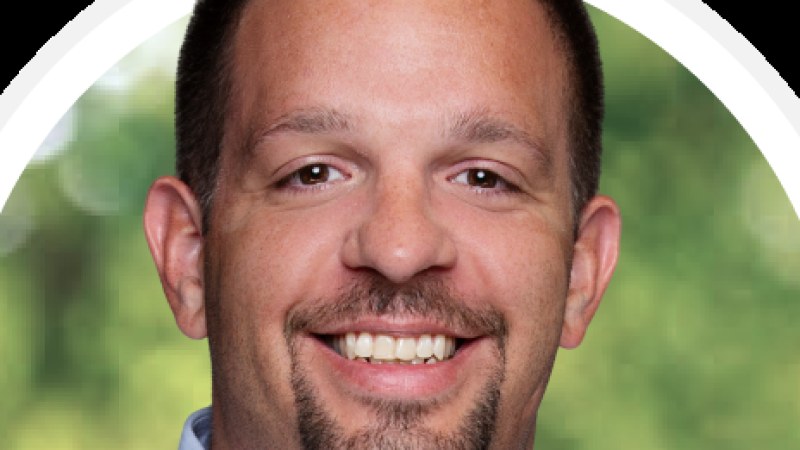
Robby Knight
Robby Knight is the co-founder and CEO of evermore (formerly Soda Health), a healthtech company that turns supplemental health benefits into a Smart Benefits platform connecting Medicare Advantage members, health plans, and retailers like CVS, Walgreens, and Kroger. A social worker by training who spent nearly eight years architecting consumer health at Walmart, Knight built the company on a simple frustration: people's first-order needs (food, OTC medicine, transportation) were being met through a patchwork of inefficient programs. evermore has raised roughly $100 million, including a $50M Series B led by General Catalyst in December 2024.

Andrew Toy
Andrew Toy is the CEO and Board Member of Clover Health (NASDAQ: CLOV), a Medicare Advantage insurer using AI to help physicians identify and treat chronic conditions earlier. A Stanford-trained computer scientist who immigrated from Hong Kong at 16, Toy built Divide (acquired by Google for $120M in 2014), led Android Enterprise at Google, then joined Clover Health in 2018 as CTO before ascending to CEO in 2023. Under his leadership, Clover achieved 51% year-over-year membership growth and its first GAAP net income in Q1 2026, powered by the Clover Assistant AI platform that diagnoses diabetes three years earlier than conventional methods.
Steven Sell
Steven Sell is a healthcare operator who spent five years as CEO of agilon health, the Westerville, Ohio company that backs independent primary care physicians taking full risk on Medicare patients. He stepped down on August 4, 2025. Before agilon, he ran Health Net, a $14 billion business with three million members.