md-phd
(13)
Russ Lebovitz
Russ Lebovitz is the co-founder and CEO of Amprion, a precision brain diagnostics company that built the first commercial seed amplification assay for detecting misfolded alpha-synuclein - the protein at the root of Parkinson's disease and other synucleinopathies. An MD/PhD trained at Washington University in St. Louis and a former research physician at Baylor and Fox Chase Cancer Center, Lebovitz spent years chasing prions after the mad cow scare, then pivoted the same detection science toward common neurodegenerative diseases. His SYNTap test won an FDA Breakthrough Device Designation and is now used in clinical trials and patient care to spot brain disease years before symptoms appear.
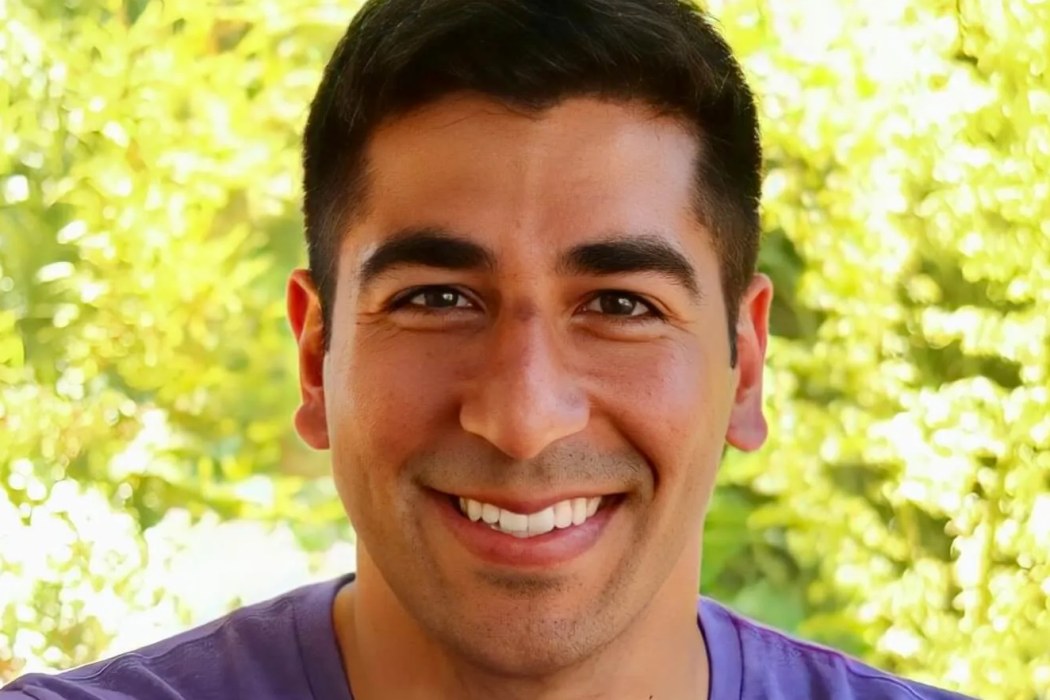
Senan Ebrahim
Senan Ebrahim is the founder and CEO of Delfina, a San Francisco digital health company using AI and data science to improve pregnancy care and close gaps in maternal health. A physician-scientist with an MD and a PhD in computational neuroscience from Harvard, he founded Delfina after witnessing a preventable stillbirth during medical training. He earlier founded Hikma Health, a nonprofit building free health-data tools for refugee and low-income patients. Delfina raised a $17M Series A in early 2025 led by U.S. Venture Partners.
Tamir Wolf
Tamir Wolf is the CEO and co-founder of Theator, a Palo Alto and Tel Aviv based company building a surgical intelligence platform that uses AI and computer vision to analyze surgical video and reduce variability in the operating room. A physician turned entrepreneur, he earned an MD and PhD from the Technion, served as a medical officer in an elite Israeli Navy unit, and founded two earlier medical device companies before starting Theator in 2018. His stated goal is to codify surgery so that where a patient lives no longer dictates the quality of care they receive.
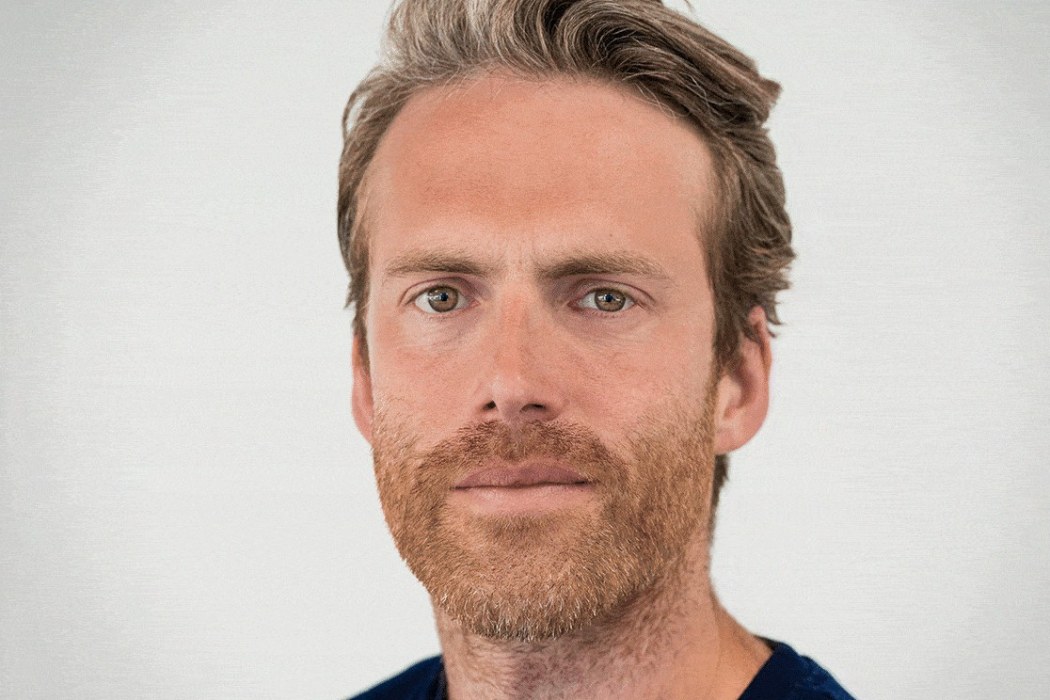
Derk Arts
Derk Arts is a Dutch physician-turned-entrepreneur and the founder and CEO of Castor, a clinical-trial software company he started in 2012 after coding the first version of its Electronic Data Capture platform himself. Trained as a medical doctor and epidemiologist with a PhD, he built Castor to make clinical research more inclusive, patient-centric, and data-driven. The platform now supports thousands of trials across roughly 90 countries and was used by the World Health Organization for its Solidarity Trial. Castor has raised more than $60 million, including a $45 million Series B in 2021, and Arts is a recognized voice on decentralized trials, eConsent, and the responsible use of AI in research.

James Lu
James Lu is the co-founder and CEO of Helix, a population genomics company he helped launch in 2015 with Justin Kao and Scott Burke. An MD/PhD trained at Baylor College of Medicine with chemical engineering degrees from Stanford, Lu built his career at the intersection of machine learning, electronic health records, and genetics. He argues that the genome should sit alongside blood pressure and cholesterol as a core clinical input - the difference being that your genome never changes. Under his leadership Helix runs one of the largest clinical sequencing labs in the US and the Helix Research Network, and its GenoSphere dataset links more than 500,000 clinico-genomic records.
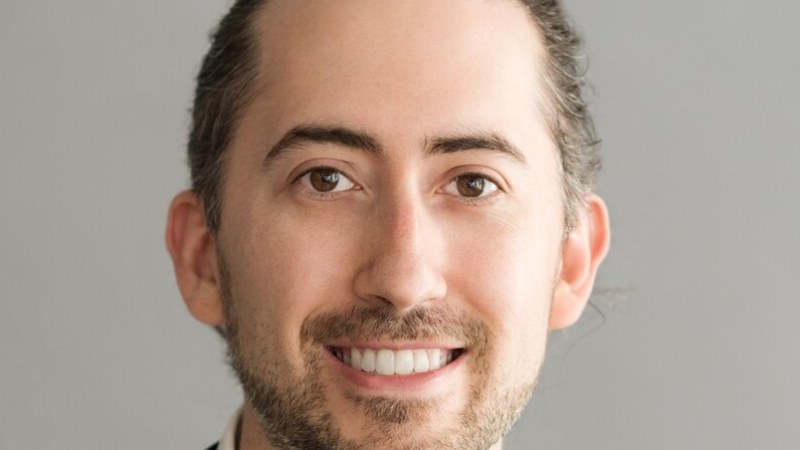
Sam Clark
Sam Clark, MD, PhD, is the founder and CEO of Terran Biosciences, a CNS-focused platform biotech he started in 2017 from his medical school dorm room with $10,000. A neuroscientist trained at MIT and Columbia, Clark has built one of the largest psychedelic development programs in the industry, is the named inventor on more than 200 patent applications, and holds the world's first patents for new forms of psilocybin and MDMA. Terran pairs a medicinal-chemistry drug design engine with an FDA-cleared neuroimaging software platform and a pipeline of late-stage assets licensed from Sanofi and Pierre Fabre.

Jason Ehrlich
Jason Ehrlich is the co-founder and CEO of Ollin Biosciences, an Austin-based clinical-stage biopharma launched in September 2025 with $100 million to build best-in-disease eye medicines. An MD-PhD ophthalmologist trained at Princeton and Stanford, he spent a decade at Genentech/Roche helping shepherd retina drugs including Lucentis and the bispecific faricimab (Vabysmo), then served five years as chief medical and development officer at Kodiak Sciences. At Ollin he is taking direct aim at the market leader: in early 2026 his lead asset OLN324 beat faricimab head-to-head in a randomized Phase 1b study, drying retinas faster and deeper with a clean safety record.

Asit Parikh
Asit Parikh is a physician-scientist turned biotech chief executive who runs MOMA Therapeutics, a Cambridge, Massachusetts company built around the idea of systematically drugging molecular machines - the highly dynamic, shape-shifting proteins that most drug hunters avoid. An MD-PhD trained at Vanderbilt with clinical roots in gastroenterology, he spent two decades at Millennium and Takeda, where he helped steer the inflammatory bowel disease drug vedolizumab (Entyvio) from research to global blockbuster, before taking the CEO seat at MOMA in 2021. He has since raised a $150 million Series B and signed a roughly $2 billion partnership with Roche to push precision cancer medicines toward the clinic.

Linh Hoang
Linh Hoang, MD, PhD, is the Chief Executive Officer of HistoWiz, the New York based digital pathology company building PathologyMap, a platform that automates histology and connects researchers to top pathologists on demand. A physician-scientist turned operator, he trained at the University of Pennsylvania, cut his teeth at Boston Consulting Group, and ran businesses at Thermo Fisher and PerkinElmer before leading two diagnostics companies as CEO, Boston Microfluidics and its successor Weavr Health, ahead of joining HistoWiz in October 2022.
Megan McGill
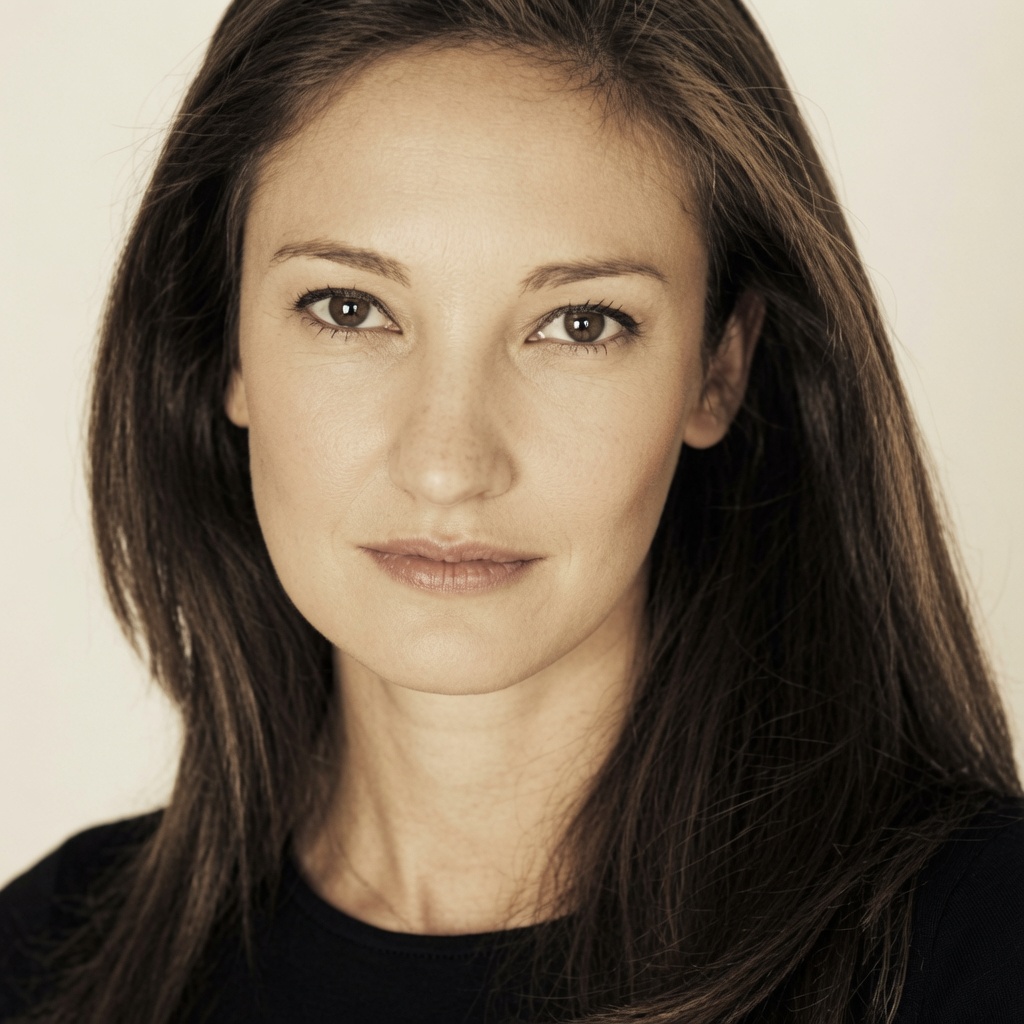
Megan McGill, M.D., Ph.D., is the chief executive officer and a board member of Brenig Therapeutics, a clinical-stage neuroscience biotech using an AI-based discovery platform to build small-molecule treatments for neurodegenerative disease. She took the role on October 30, 2025, to steer Brenig's lead Parkinson's program, the LRRK2 inhibitor BT-267, through early human trials. Trained in MRI physics and neuroimaging at NYU and in radiology at Memorial Sloan Kettering, she traded the reading room for the boardroom, building a decade-long run that spans McKinsey consulting, business development at BridgeBio and Regenxbio, and the CEO seat at Epitor, Regel, and HitchBio.
Tim Sweeney
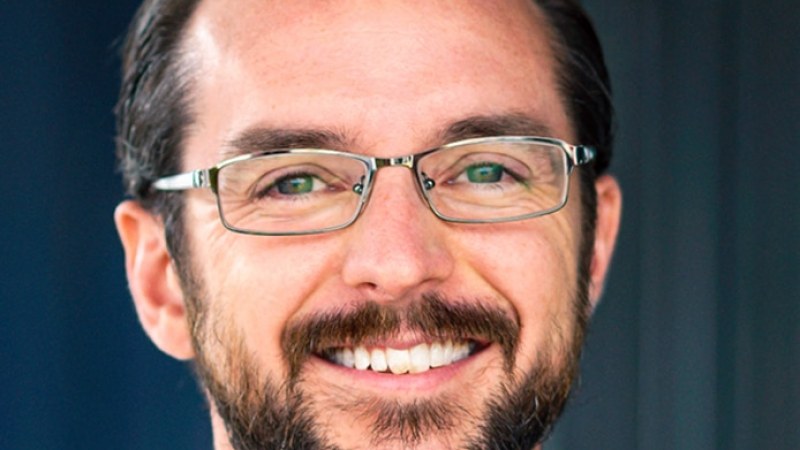
Tim Sweeney is the co-founder and CEO of Inflammatix, a Sunnyvale molecular diagnostics company that reads the immune system instead of hunting for pathogens. A surgeon-turned-entrepreneur with an MD/PhD from Duke and a biomedical informatics background from Stanford, he built TriVerity, an FDA-cleared rapid blood test that measures 29 immune-response genes and uses machine learning to score the likelihood of bacterial infection, viral infection, and severe illness. He has raised more than $200 million to bring precision medicine to sepsis and critical care.

Arthur T. Sands
Arthur T. Sands, M.D., Ph.D., is the President and CEO of Nurix Therapeutics, a clinical-stage biopharmaceutical company pioneering targeted protein degradation medicines. A co-founder of Lexicon Pharmaceuticals in 1995, he spent 19 years transforming that company from a research startup into a drug-development enterprise generating over $450 million in revenue. At Nurix, he leads efforts to deploy a proprietary DEL-AI platform - combining DNA-encoded libraries with machine learning - to discover and develop small-molecule degraders and degrader-antibody conjugates for cancer and inflammatory diseases. The company's lead asset, bexobrutideg (a BTK degrader), entered pivotal Phase 2 development in 2025 with an 83% objective response rate in relapsed CLL patients.
Sean P. Bohen
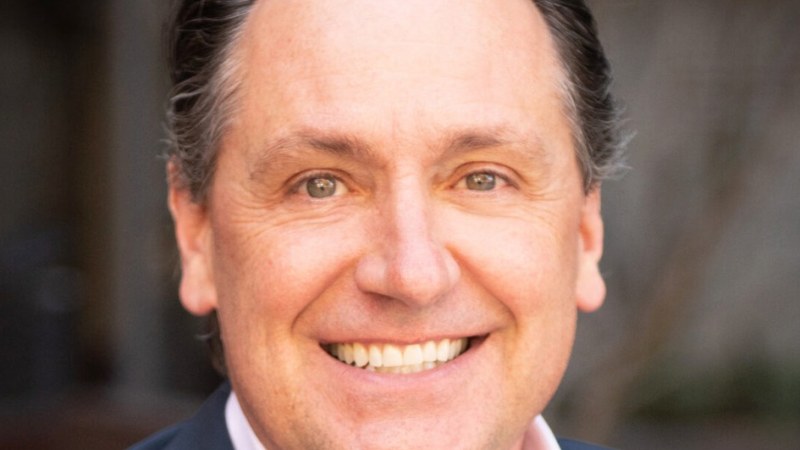
Sean P. Bohen is President and CEO of Olema Oncology, a San Francisco clinical-stage biopharmaceutical company developing targeted therapies for women's cancers. An MD/PhD oncologist who spent 13 years at Genentech and four as AstraZeneca's Chief Medical Officer, he is now steering Olema's lead drug palazestrant - an oral complete estrogen receptor antagonist - through Phase 3 trials in ER+/HER2- metastatic breast cancer.