matter
(9)
Yale and August U.S.: The smart lock that let you keep the key
August put a motor on the inside of the door and left the familiar key outside. Paired with Yale, that small concession became a business in deciding who gets in, when, and how.

DSR makes the smart home speak the same language
A sensor, a gateway and an app walk into a house. DSR does the unglamorous engineering that lets them have a conversation - and has turned that skill into shared software for chipmakers and identity builders.
SmartThings and the house that couldn’t ask for help
A damaged Colorado house inspired a company built to make ordinary objects report extraordinary trouble. Samsung gave SmartThings a much larger stage - and a much harder promise to keep.
Tuya Put the Cloud in 1.2 Million Device SKUs - Then Learned the Price of Being Everywhere
Tuya became the invisible plumbing behind a crowded smart-device aisle. When the pandemic boom snapped, it stopped chasing every customer and rebuilt around larger accounts, software-rich hardware and AI that can finally do more than switch on a bulb.

Nanoleaf's Solar Idea Had Nowhere to Sell - Then It Turned Light Into Lego
Three engineers began with a solar product nobody knew how to buy. Their escape route - a homemade Kickstarter video, a $35 origami-like bulb and, eventually, modular panels - offers a practical lesson in turning efficient hardware into something people can see, share and want.
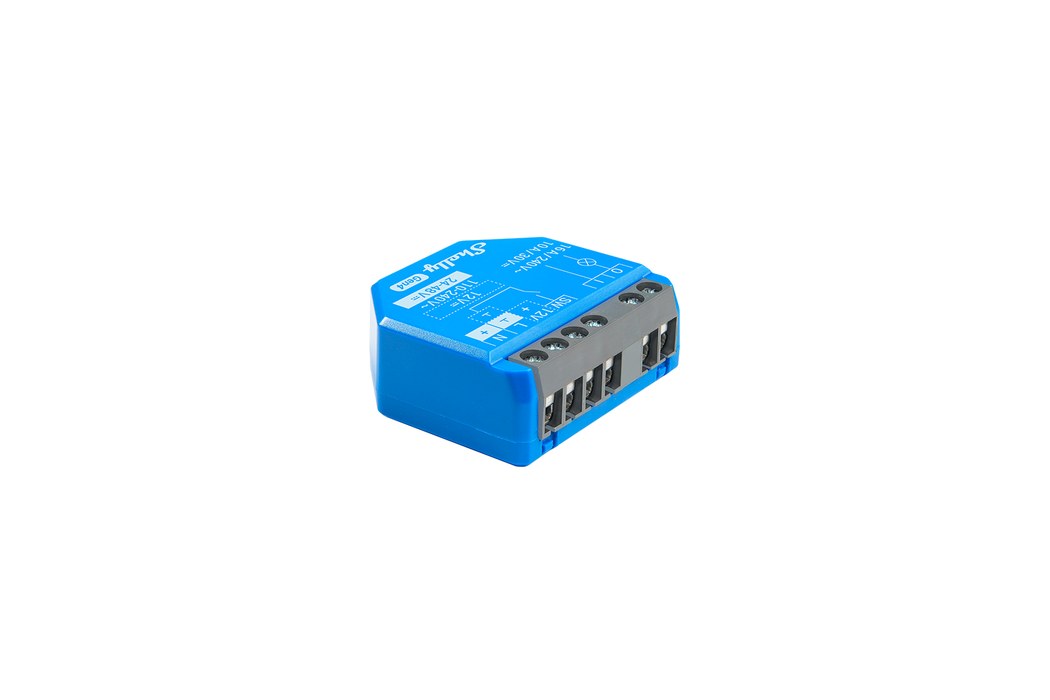
The $12 Relay That Wants to Run Your Whole House
Shelly's tiny relays slip behind the switches you already own and quietly automate the house - no hub, no subscription, and a following of DIY installers who treat local control like a religion.
The Company Behind the Switch: How Jasco Quietly Wired 100 Million Homes
You may not recognize the name Jasco, but you have probably handled its work. The Oklahoma City company built a 50-year business by hiding in plain sight - behind familiar brands, ordinary household problems and an uncommon promise to give half of its owned-brand profits away.
Ayla Networks
The smartest thing in a connected appliance may be the infrastructure its owner never sees. Ayla Networks supplies that hidden stack - from firmware to cloud to app - for brands that want the benefits of IoT without surrendering the customer relationship.
CANDY HOUSE
CANDY HOUSE, Inc. is the consumer-hardware company behind Sesame, the retrofit smart lock that mounts over an existing deadbolt with adhesive tape and turns a smartphone, fingerprint, card, PIN or face into a key. Founded in 2014 by Stanford engineer Jerming Gu and famous for a 2015 Kickstarter that raised about $1.4M, the company built an open ecosystem around SesameOS - locks, touch and face readers, a coin-sized Matter hub, sensors and finger robots - aimed at making smart-home access affordable, rental-friendly and developer-open.