manufacturing-marketing
(9)
The Agency That Survived the Future It Predicted
Airfoil bet on the internet in 2000, watched the dot-com market collapse, and kept going. Twenty-five years later, the Michigan agency sells something more durable than publicity: a method for making complicated companies understood.

The Tiny Firm That Bet the Factory Floor Could Tell a Better Story
Paul Oakley left the corporate communications suite to build an agency for products that resist a quick pitch. The wager was simple: go narrower, learn the machinery, and make complexity useful.
The Marketing Agency That Learned to Drive the Skid Steer
PKA Marketing found a defensible niche in a place most agencies avoid: the job site. Its advantage is not a secret ad format. It is knowing enough about a half-million-dollar machine to ask the next useful question.

The Factory Floor Has a Messaging Problem
Strother Communications Group has spent three decades asking industrial companies an awkward question: what if the thing you keep saying is not the thing your customers care about? Its answer begins with listening, then turns the findings into a selling system.
The Agency That Likes the Hard-to-Explain Stuff
For 37 years, a Kalamazoo agency has made a business from the assignments other marketers might quietly avoid: technical products, tangled sales channels and public information that must be both correct and understood.

The Oldest New Trick in Advertising
In Des Moines, a family agency founded in 1907 keeps proving that the newest marketing problem often has an old answer: understand the buyer, remove the friction and make the story impossible to ignore.

Celtic Chicago Learned to Sell the Parts of Business Most People Skip
The Park Ridge agency has made a business of learning the languages most marketers avoid - then turning grain protectants, specialty chemicals and manufacturing systems into stories people can repeat.

Nicole Westenberger Built Her Career Where the Catalog Became a Click
From Sears catalogs to industrial e-commerce, Nicole Westenberger has spent a career following the customer across channels - and teaching century-old businesses to do the same.
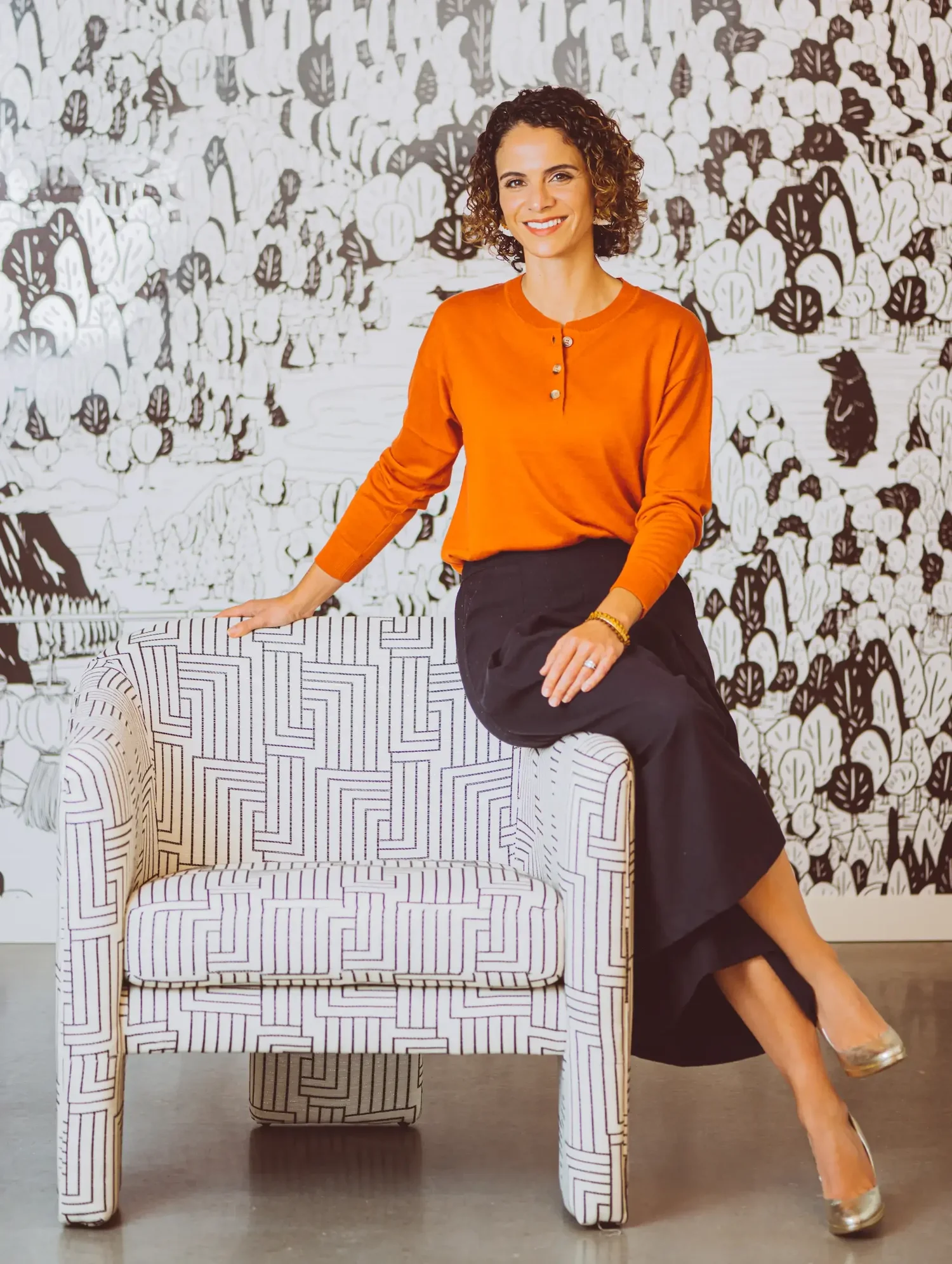
Laura Norup-Boyer Knows When Marketing Should Move Slowly
After two decades around technical buyers, trade shows and industrial brands, Laura Norup-Boyer has learned that sound transformation often begins by protecting what already works.