logistics-automation
(11)
Prism Logistix Added 20 AI Agents—and Kept Hiring
With 20,000 customer rules threatening its growth, Prism Logistix put Pallet’s AI agents to work across the freight back office. It reports a 10% net-margin improvement, faster employee ramp-up, and more hiring in sales and account management.
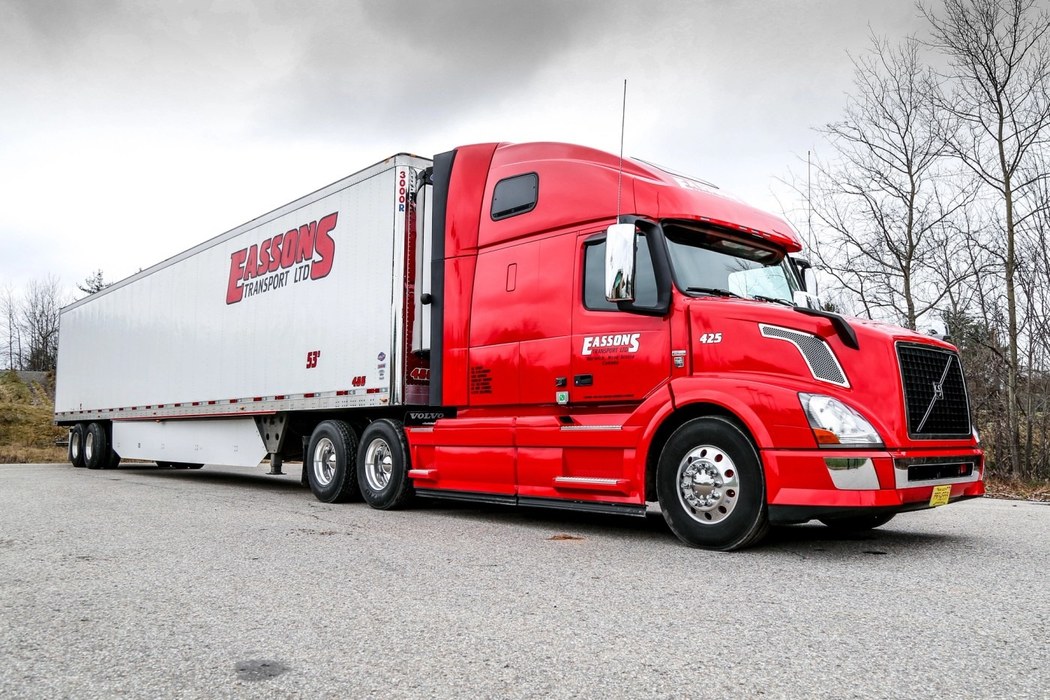
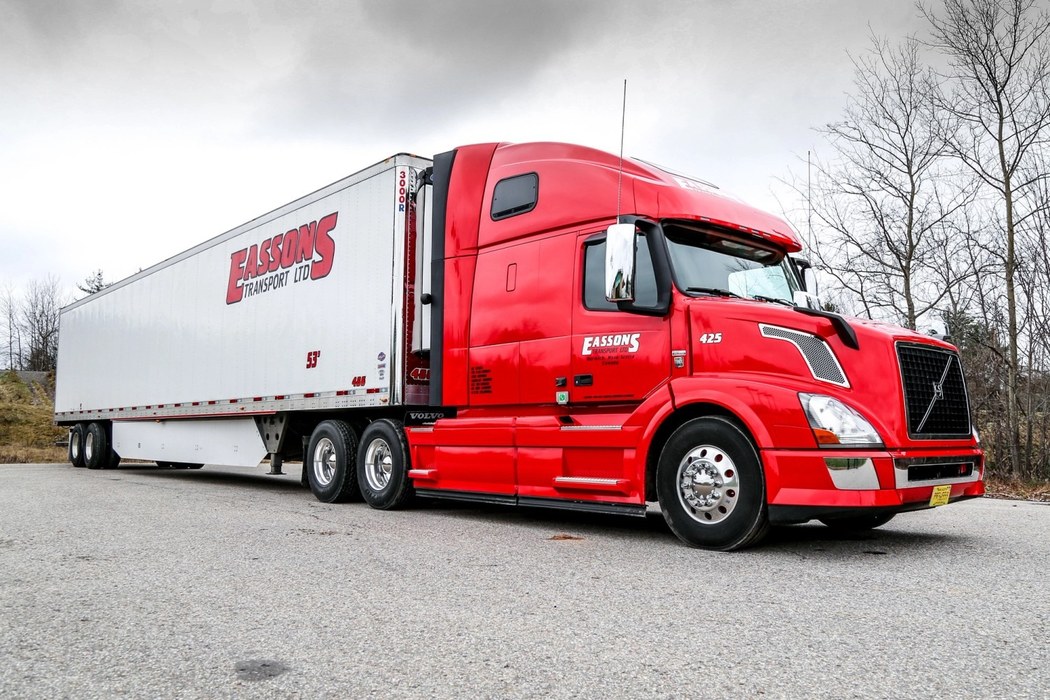
Eassons’ 98% Touchless Load Entry Started With Recipe Cards
A recipe-card holder held the customer rules that kept Eassons’ freight moving. Teaching those rules to a Pallet agent turned a fragile store of human knowledge into 98% touchless load building.
Pallet Fabric Gives AI the Keys to AS/400
The hardest part of enterprise AI is getting through the door. Pallet Fabric connects agents to green screens, TMS software, inboxes, and portals so they can finish the work where it already lives.

The Check Call Bot Can Save Time and Still Lose the Carrier
AI voice agents can chase a truck’s status, ETA and dock time. The harder question for freight teams is when the call should end with a person - and whether carriers will want to answer again.

Pallet Wants Your AI to Know Your Freight—and Nobody Else’s
In logistics, the same words can trigger entirely different moves. Pallet’s answer is a private model for every customer—paired with an inspectable Memory layer, portable model choices and security built to keep operating knowledge in its owner’s hands.
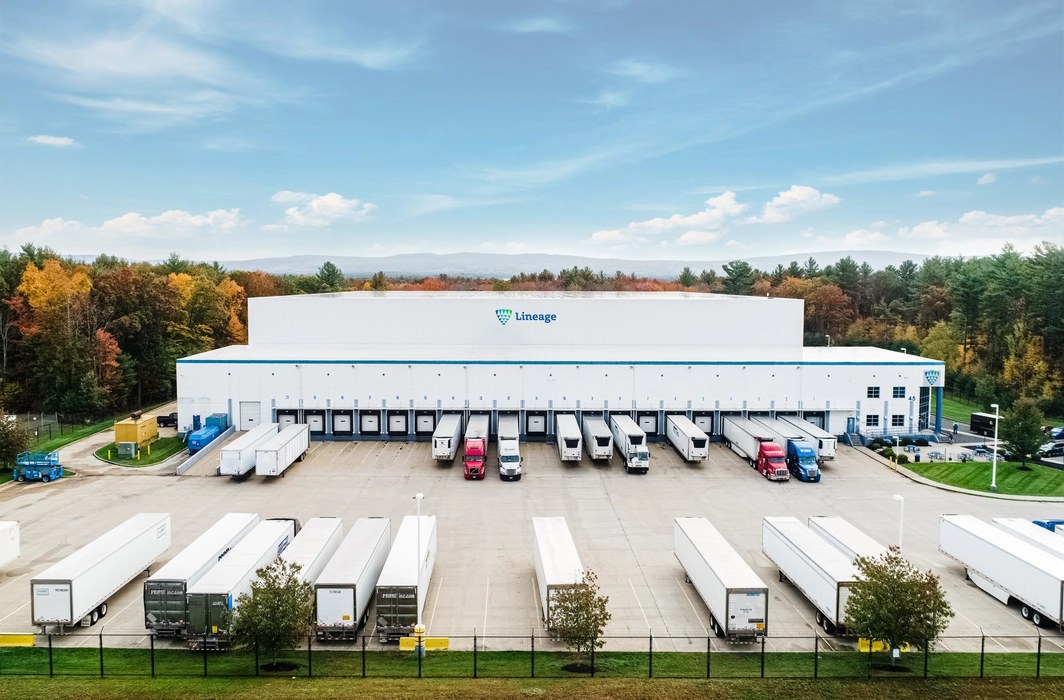
How Lineage Put 2 Million Logistics Workflows on Autopilot
Inside the cold-chain giant’s 49-day sprint from manual data entry to AI agents that read messy freight documents, build orders and make judgment calls at operator-level accuracy.

Mallory Alexander Turned Import Paperwork Into $18M
Mallory Alexander automated three high-stakes import workflows with Pallet—and tripled files handled per operator while reporting 100% filing accuracy. The result: $18 million in enterprise value and a sharper blueprint for scaling without matching growth dollar for dollar with headcount.
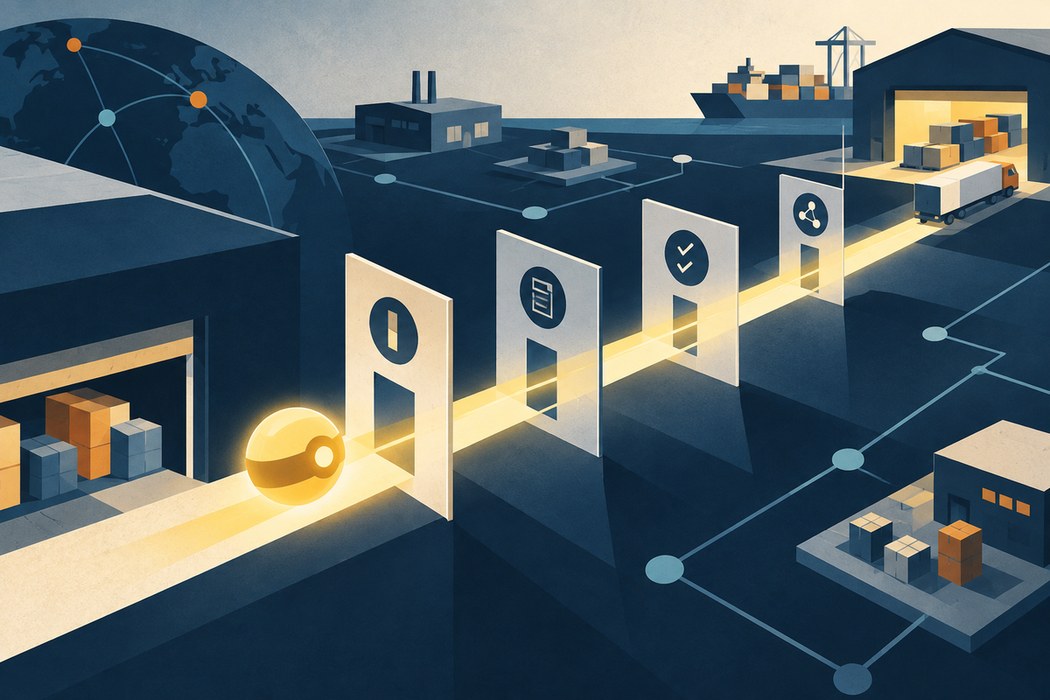
Pallet’s Five Rules for Letting AI Agents Take the Wheel
AI agents can move freight work faster, but autonomy without boundaries is just a faster way to make expensive mistakes. Pallet’s governance playbook shows how to give software real authority without giving up control.

Two Robots Walk Into a Freight Brokerage
A head-to-head look at two AI companies serving freight brokers and 3PLs: Parade, whose CoDriver agent answers inbound carrier calls and whose platform has helped move $40B in transacted freight, and Pallet, which automates the back office end-to-end from quote to cash across email, voice, API and remote desktop. The comparison finds the two overlap less than the marketing suggests: Parade owns the front-of-house carrier relationship and capacity discovery, while Pallet owns the document-heavy operational workflows that turn a booked load into collected cash.

One Tells You the Price. The Other Does the Job.
A plain-spoken comparison that clears up a common category confusion in freight tech: Greenscreens.ai is rate intelligence and dynamic pricing infrastructure, while Pallet is end-to-end workflow automation. The two solve different problems — one tells you what to charge, the other actually does the work — and for many brokerages, Pallet integrates with Greenscreens rather than replacing it. The piece also notes Triumph Financial's 2025 acquisition of Greenscreens as a sign the pricing-data layer of freight tech is maturing and consolidating.
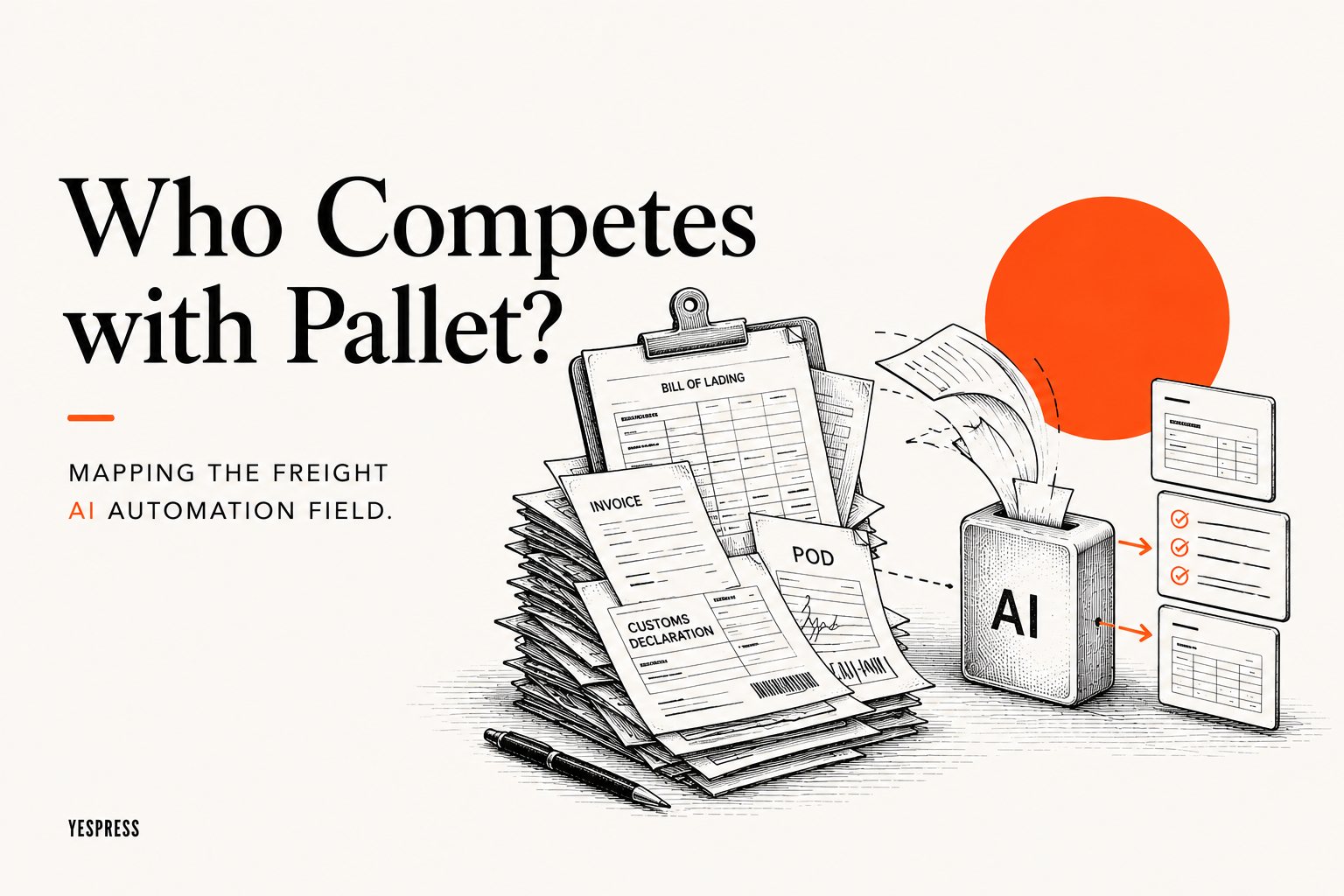
The Freight Back Office Is Up for Grabs — And Everyone Wants Pallet's Lunch
A competitive map of the freight-AI automation field, positioning Pallet against the venture-backed newcomers HappyRobot and Vooma, the entrenched TMS software vendors, and the offshore BPO shops that have long run the logistics back office. Pallet, a San Francisco startup that raised $27M Series B (bringing total funding to $50M), sells CoPallet, an 'AI workforce' that completes end-to-end logistics workflows inside TMS, WMS and ERP systems 10x faster and at roughly half the cost of human staffing. The story surveys how each rival attacks the same back-office spend and where Pallet's end-to-end, system-of-record approach differs.