local-news
(15)
The Newspaper Company That Keeps Changing the Shape of the Newspaper
Clarity Media Group has spent two decades treating the newspaper less like a sacred object than a useful container. Its best trick is not predicting the future of news - it is changing formats before habit becomes a business plan.

The News the Internet Forgot
Newz Group built a modern media-monitoring business around an unfashionable fact: some of the most consequential news in America still arrives on paper.

The Ad Inventory That Learned to Pay Reporters
Nearly 400 Arizona media brands trade a sliver of airtime and ad space for something no single newsroom can easily buy alone: lawyers, research, interns, statewide debates and a growing pool of reporters.

The Bay Area Learned to Watch the News at Ten
KTVU built a Bay Area institution around a wonderfully plain idea: tell people what happened before they go to bed. Sixty-eight years later, Channel 2 is still testing how far that habit can travel beyond the television set.
KZFR gave Chico the microphone
It began with a plan to relay somebody else’s radio. Thirty-six years after its first broadcast, KZFR is still teaching its neighbors how to make their own.
Sierra Star lost the paper. The local story goes on.
Oakhurst’s newspaper traded its front office for remote work, then its weekly print edition for the web. Its history shows what a mountain community asks of a local news business.

Optimum built faster internet. Now it has to make customers stay.
Fiber is growing. Mobile is growing. The broadband base is shrinking. Inside Optimum’s effort to turn a better network into a business customers keep.

Nextdoor Wants to Be Useful Before You Lose the Cat
The neighborhood network is rebuilding around news, alerts and local recommendations. Its comeback depends on giving people a reason to visit when nothing has gone missing.

Alabama Media Group stopped the presses. The reporting kept going.
The company behind AL.com traded newspaper delivery for a digital portfolio of investigations, local editions and Southern humor. Its hardest assignment is making that mix pay.

Margaret Sullivan Still Believes the Press Can Earn Its Keep
From a summer internship in Buffalo to the awkward chair of public editor at The New York Times, Sullivan has spent her career asking one durable question: does this journalism serve the public?
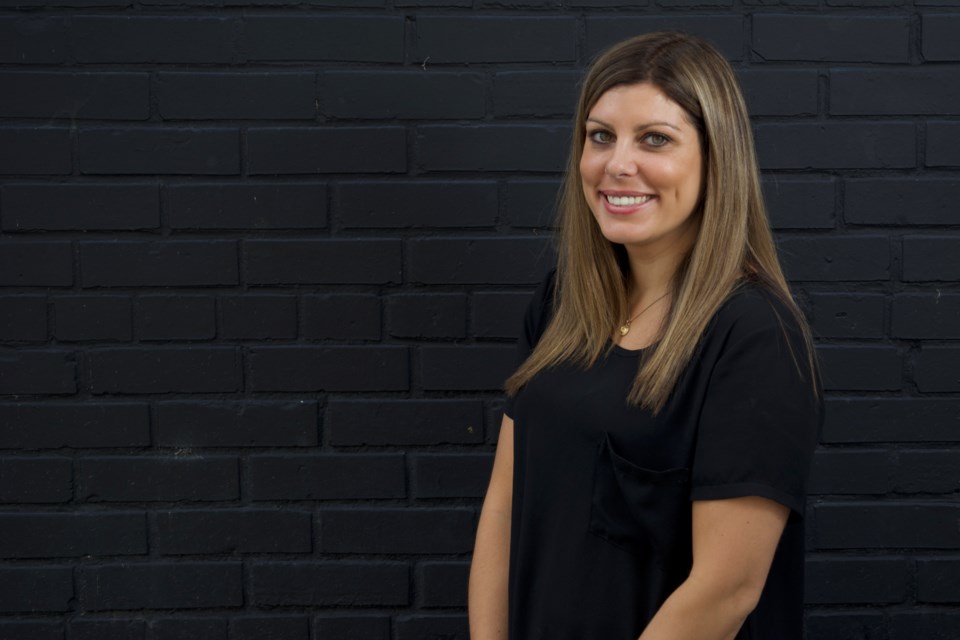
Jasmyn Rowley Turned Local Attention Into a Habit of Giving
At Village Media, Jasmyn Rowley has spent more than a decade proving that audience growth and community care can reinforce each other - one newsletter signup, one local partnership and one well-timed surprise at a time.
Village Media Found a Business Model for Local News - Then Built a Town Around It
The Canadian publisher turned free reporting, shared software, local sales and civic participation into one repeatable system. A new US expansion will test whether the playbook travels.
The Boston Station That Quietly Built America’s Public-Media Habit
GBH helped turn science, history, children’s television and investigative reporting into American rituals. Now the 75-year-old public-media producer is trying to carry that trust from the broadcast schedule into an on-demand world.
Radio’s Second Act Is Hiding in Plain Sound
Audacy still owns the morning commute. Now the 58-year-old broadcaster is turning local voices, sports obsession and a rebuilt balance sheet into an audio network that travels far beyond the dial.

The E.W. Scripps Company
A newspaper company born in 1878 now makes its wager on the most modern old technology in America: free television. With local news, ION and a growing sports slate, Scripps is trying to make reach itself the product.