live-chat
(22)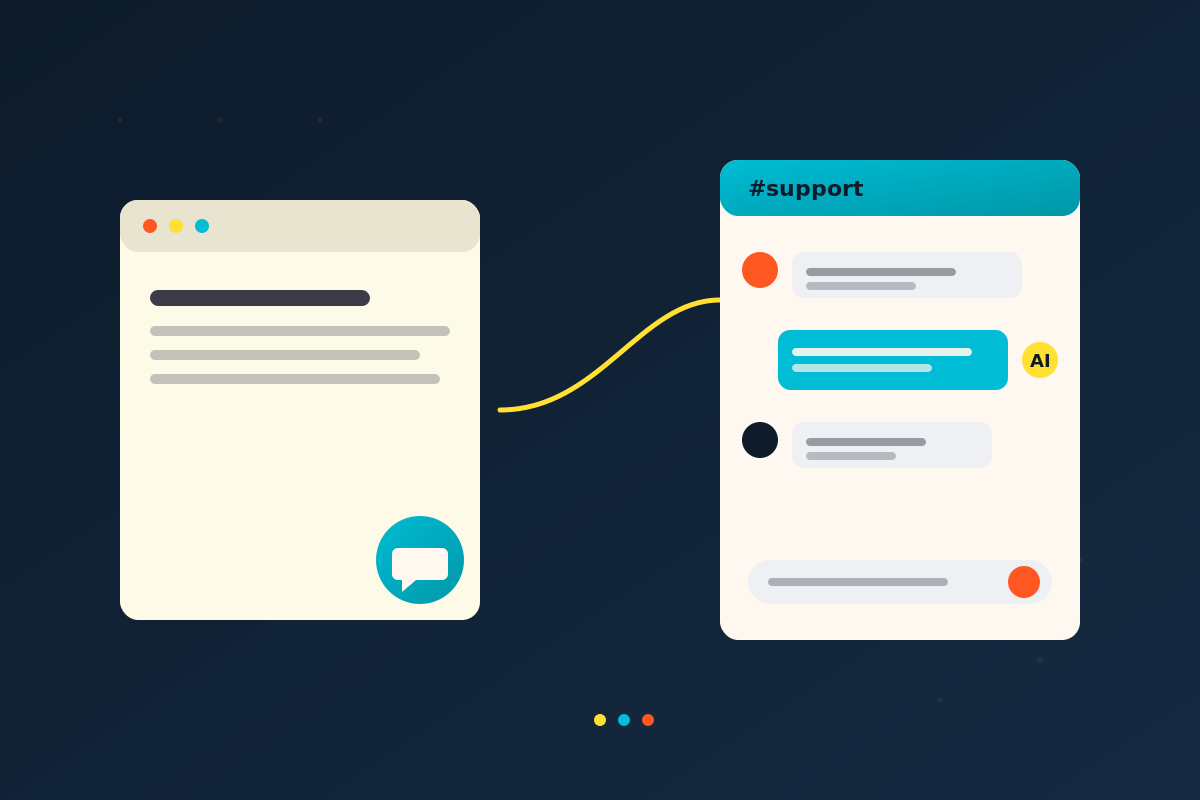
Social Intents Answers Your Customers From Inside Slack
A two-person, bootstrapped company in Atlanta built live chat that lives inside Microsoft Teams, Slack and Google Chat - and now lets ChatGPT, Claude and Gemini field most of the questions before a human ever looks.

Chative Wants Your DMs to Do the Selling
A 13-person team split between Singapore and Da Nang built an AI-run inbox that turns Facebook, Instagram and WhatsApp chats into checkouts. The pitch is blunt: sell more, hire less.
tawk.to Gave Live Chat Away While Kustomer Chased a Billion
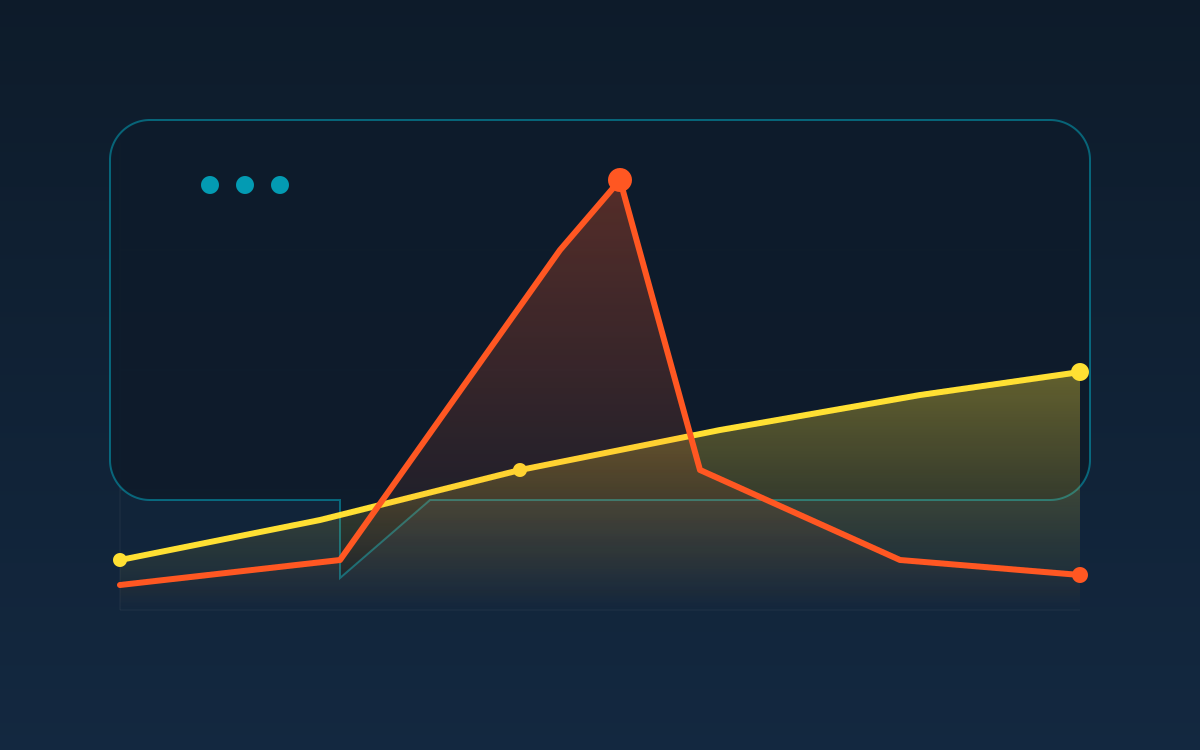
One company handed the world's most-used live chat to everyone for free and never raised a dollar. The other sold to Meta for a billion, got written down 75%, and had to start over as a standalone.

The Chat Box in the Corner Is Now a $2 Billion Fight
Front, Text, respond.io, JivoChat and a handful of rivals turned the little live-chat widget into a real software business. Now AI agents are racing to answer before a human ever reads the message.

Six Live Chat Tools and the Bubble That Runs Your Website
HelpCrunch, WATI, Pure Chat, LivePerson, Rocket.Chat and Provide Support all sell the same small box in the corner of your screen. The differences between them explain how customer support quietly turned into a software industry worth billions.

LiveHelpNow Built a Chat Empire From a Basement, One Refund at a Time
Michael Kansky arrived from Ukraine in 1997 with two years of college and a knack for code. Two decades later his bootstrapped live chat company quietly serves thousands of businesses - and never took a dollar of venture money.

Live Chat Software Grew Up and Learned to Sell
Eight companies - from a free widget called tawk.to to Salesforce's new AI seller Piper - are fighting over the little box in the corner of your screen. The chat bubble stopped answering questions and started closing deals.

Social Intents Runs Live Chat From Inside Slack and Teams
The bootstrapped live chat company skips the separate support dashboard entirely - routing website chats, WhatsApp and SMS into Microsoft Teams, Slack and Google Chat, for a flat $39 a month with unlimited agents.

Smartsupp Turned a Brno Chat Widget Into Europe's Sales Sidekick
Founded in 2013 above a lecture hall at Brno University of Technology, Smartsupp built a live chat that quietly runs on tens of thousands of European online stores - and now ships an AI shopping assistant named Mira.

LiveAgent: The Slovak Help Desk That Quietly Serves 150 Million People
Built in 2004 by Quality Unit to fix its own inbox, LiveAgent now runs customer support for more than 40,000 companies from offices in Bratislava, Kyiv and New York - without a cent of venture money.
Birdeye vs tawk.to and What Free Live Chat Really Costs
Birdeye bundles reviews, listings and messaging into one paid platform; tawk.to gives live chat away and charges only for the extras. Here's how to choose without paying for the wrong thing.
Provide Support Skipped the AI Race to Keep Live Chat Simple
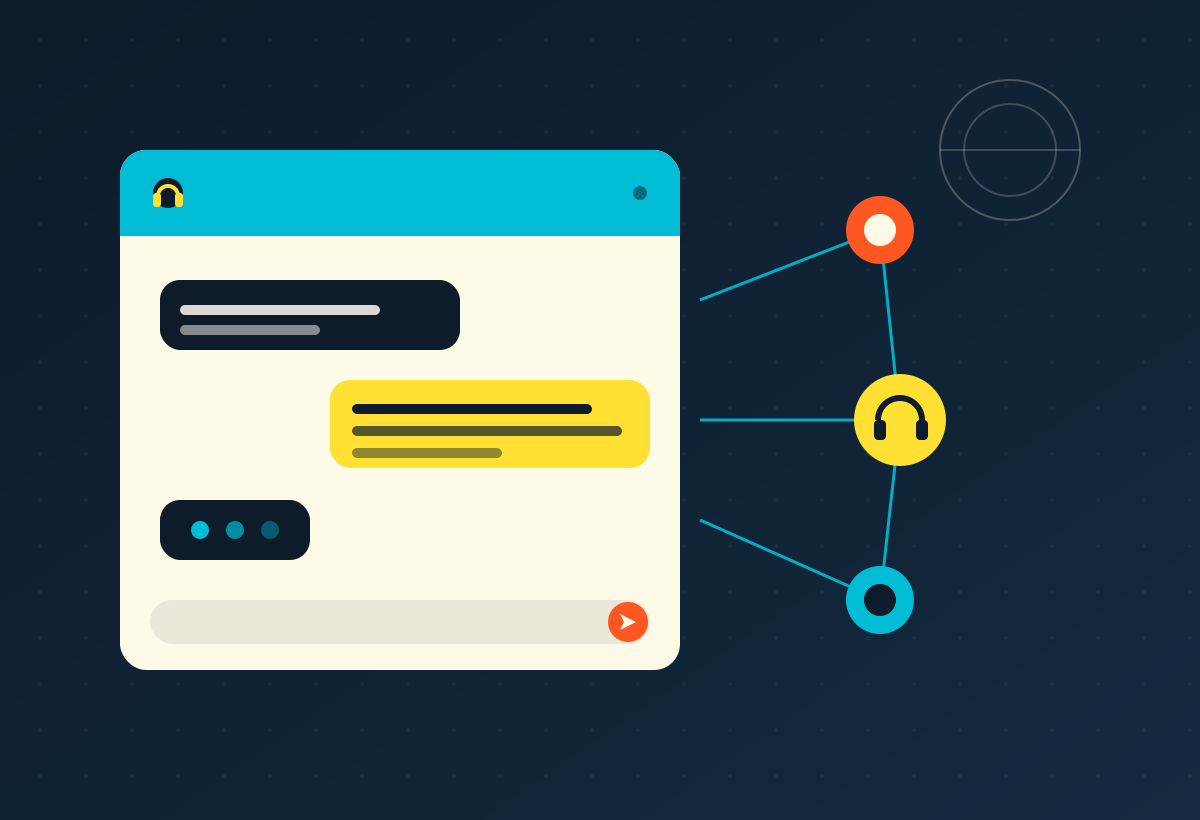
While LivePerson chased conversational AI and Fortune 500 contracts, this quiet New York shop has run the same unlimited-chat, all-features-included live chat since 2003 - and more than 10,000 customers still pay for it.

Free Live Chat Software Is the Cheapest Salesperson You'll Hire
Six tools - Tidio, Chaport, Rocket.Chat, ProProfs, Provide Support and GoDaddy - give away the little chat bubble that turns idle browsers into buyers. Here is how their free tiers actually stack up.
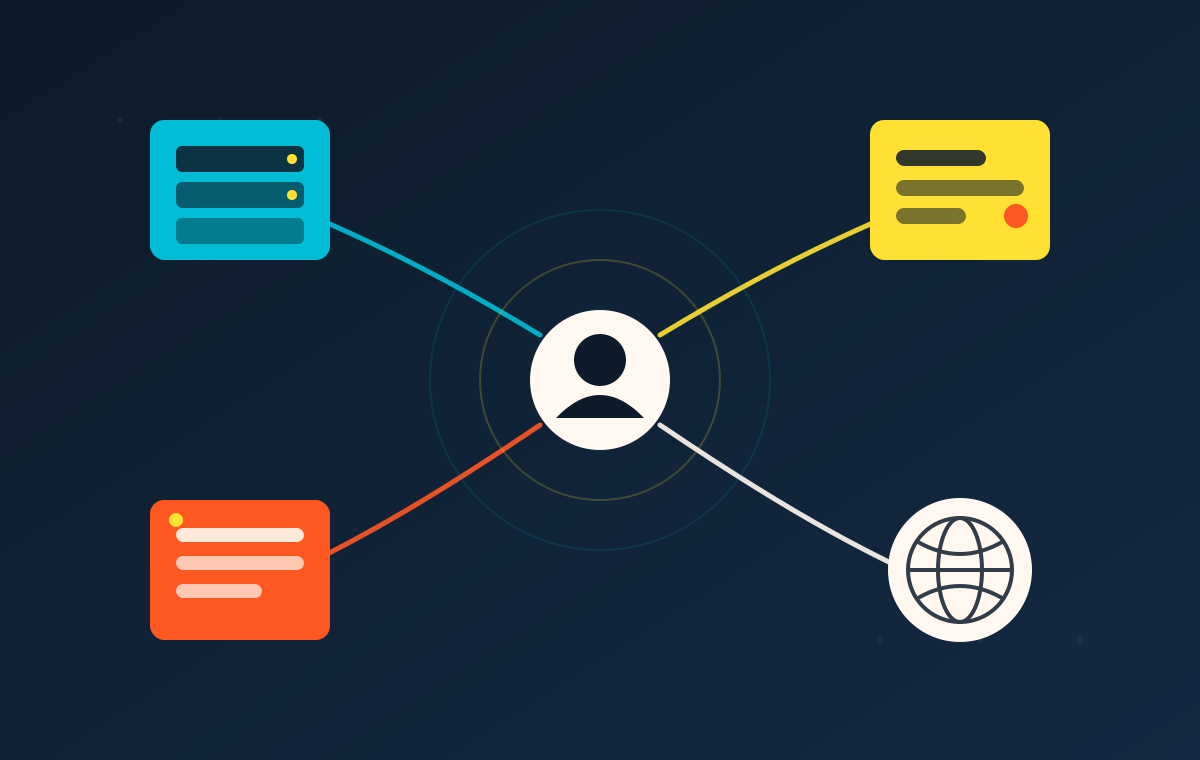
Live Chat Software Can't Agree Where Your Chats Should Live
Userlike, LiveHelpNow, Social Intents and Rocket.Chat all put a chat box on your website. The interesting part is what happens to the conversation after a visitor hits send.

Chative Is Betting Your Next Sale Starts In The DMs
The Da Nang-built messaging platform grew out of a chatbot tool called BotStar. Now it wants to be the one inbox where AI and human agents close sales across Facebook, Instagram, WhatsApp and Shopify.

Userlike vs HelpCrunch: Two Bets on the Live Chat Box
One built its whole pitch on German servers and GDPR. The other bet on an all-in-one inbox with honest per-agent pricing. Here is how the two live chat platforms actually differ.
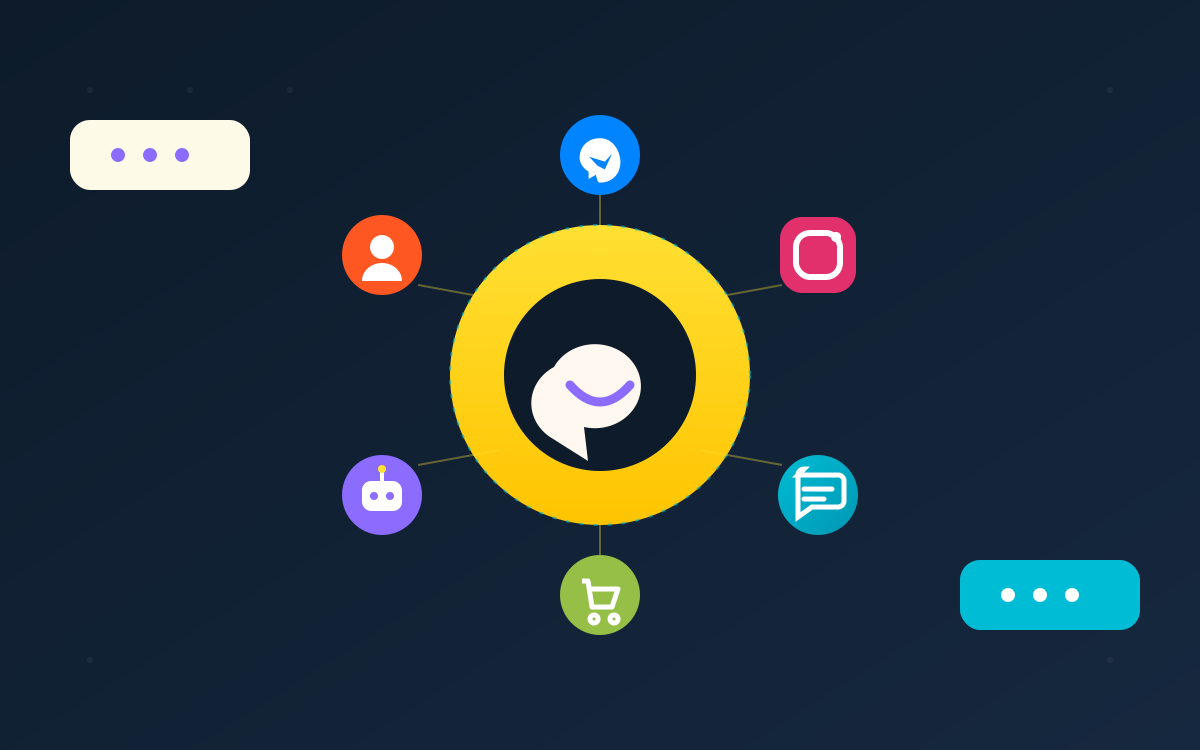
Chative Wants Your Whole Inbox In One Yellow Bubble
The Singapore-built messaging platform folds Facebook, Instagram, Shopify and website chat into a single inbox, then points an AI agent at it - starting free for three seats.

Live Chat Software Split Into Four Tribes That Won't Merge
Sprinklr, ProProfs, WATI and Crisp all sell conversations with customers. They have almost nothing else in common - and that tells you where support software is heading.

SleekFlow Wants Revenue, tawk.to Wants Everyone
Two customer-chat platforms, two opposite bets. One sells AI that turns conversations into sales; the other gives live chat away to millions of businesses and charges a dollar an hour for help.

How Smartsupp Turned a Free Chat Box Into an AI Sales Assistant
Three engineers from Brno built a live chat anyone could switch on for free, stayed profitable without chasing venture money, and now let an AI named Mira answer most of the questions their 100,000 webshops get.

LiveAgent Built a 150-Million-User Help Desk on Zero Funding
Two Slovak developers couldn't find a support tool they liked, so they wrote their own. Twenty years later LiveAgent handles customer service for 40,000 companies - and Quality Unit still hasn't taken a cent of outside money.

How Oracle, Groove, SysAid and LiveAgent Split Support
Four companies, four very different bets on how a business should answer its customers - from Oracle's enterprise heft to a bootstrapped help desk built in Slovakia.