lisbon
(8)
Henrik Zillmer and the price of giving up
A delayed flight sent Henrik Zillmer into six months of paperwork. He built AirHelp around the passengers who would rather abandon a claim - then learned when to hand over the company himself.

Gonçalo Agra Amorim and the distance between an idea and a customer
Before he helped founders take research to market, Gonçalo Agra Amorim designed scientific experiments and worked on semiconductor technology. At BGI - Sustainable Ventures, he is still occupied with what happens when an idea meets the world outside the laboratory.

Taylor Sloane and the art of closing the chat window
The HelpDocs co-founder likes getting the details right, down to the dissolved solids in a cup of coffee. Building a software company has also taught them when to stop, listen, and change the recipe.
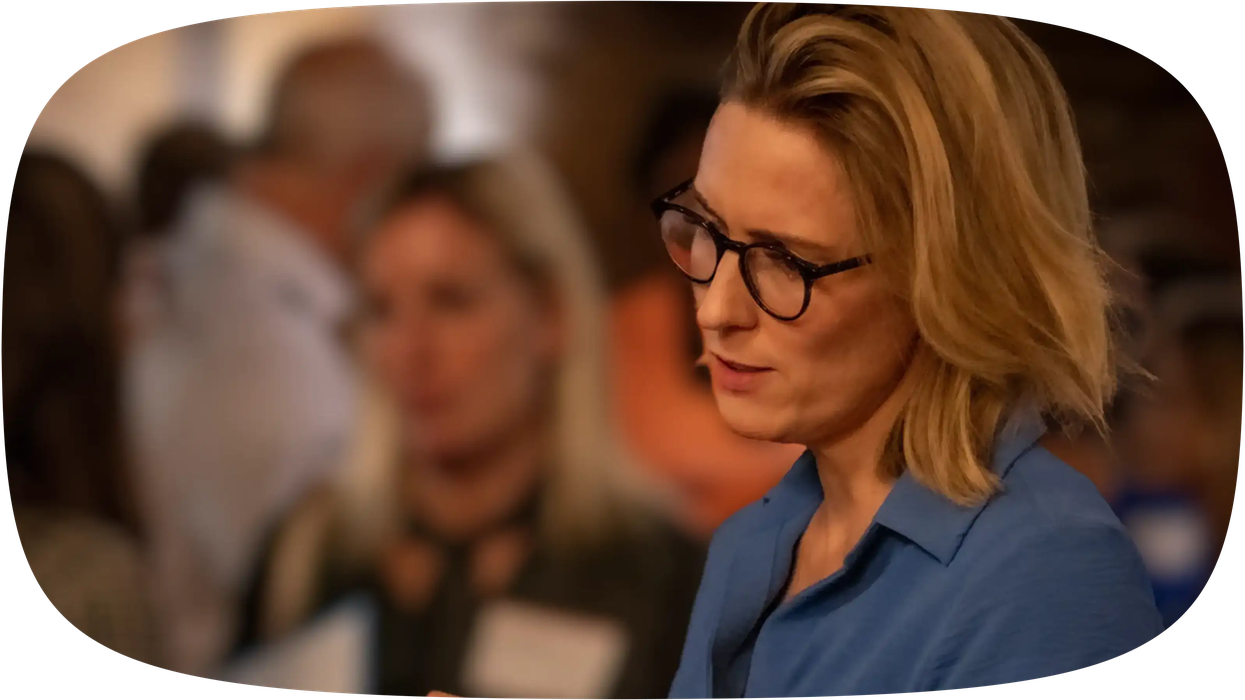
Kate Jillings and the art of keeping in touch
A missed exam question, a business-school news site and a second company built with the same partner. Kate Jillings’s career keeps returning to one practical question: how do you help people stay connected after they leave?
Build Up Labs learned to ask: who will pay?
The Lisbon venture studio sells its own software businesses and sells guidance to other founders. Its most useful lessons concern customers, small experiments, and knowing when an idea has had enough chances.
Aticco sells desks. The real bet is who sits nearby.
From a Barcelona attic to offices, shared homes and startup investment, Aticco is betting that proximity can become a business advantage. The interesting part is how it puts a price on belonging.

Lisbon Is a City Built to Be Rebuilt - Now It Must Survive Its Own Success
Lisbon turned earthquake rubble, abandoned docks and steep streets into a global calling card. The next trick is harder: keeping the city useful to residents while the world keeps arriving.

Dois Corvos
Dois Corvos is Lisbon's landmark independent craft brewery, founded in 2013 by Scott Steffens and Susana Cascais in the Marvila district. What started with a homebrew kit brought from Seattle has grown into one of Portugal's most recognised beer makers — producing roughly 550,000 litres a year, maintaining ~350 oak barrels, exporting to eight-plus countries, and operating two taprooms — all while remaining 100% family-owned with zero corporate backing.