Belém Tower and the €67 Million Rescue Mission
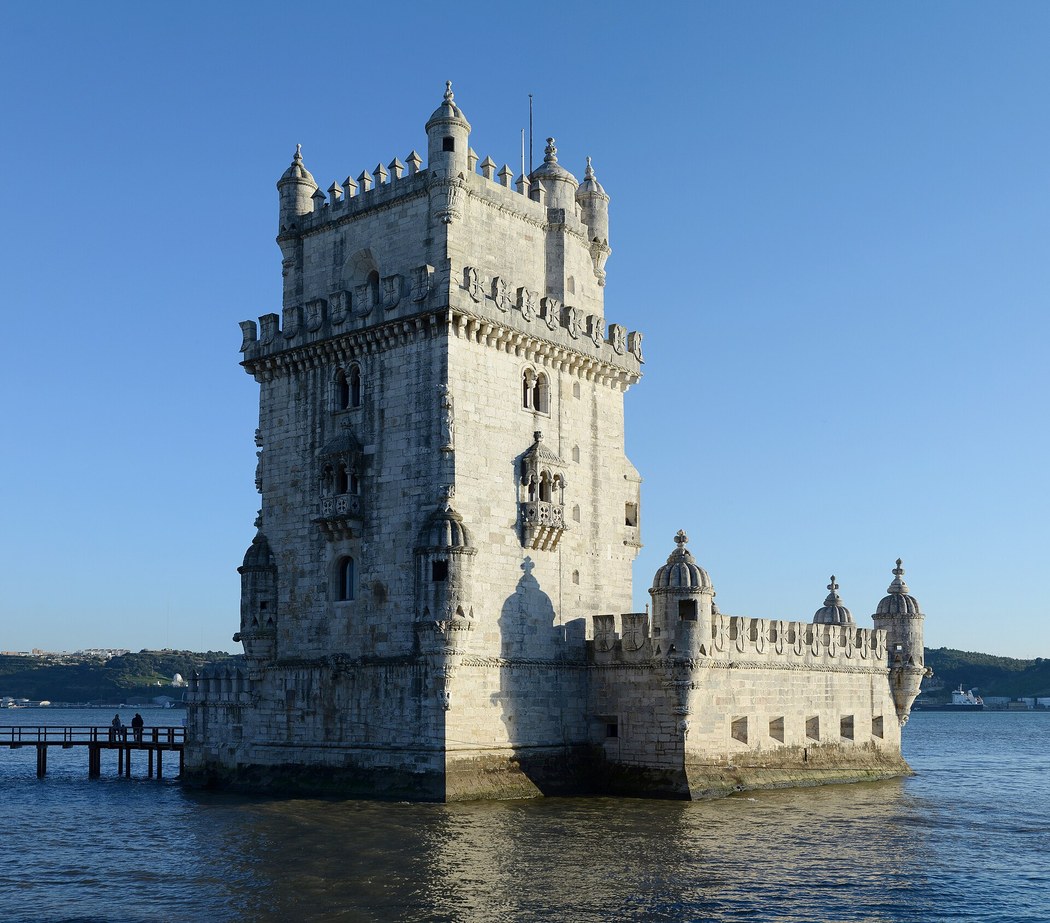
Lisbon wrapped its riverfront icon in scaffolding—and opened a far bigger question about what it costs to keep a city’s memory standing. Here is where the money went, what changed inside the tower, and which doors are open now.
Featured
This month's top stories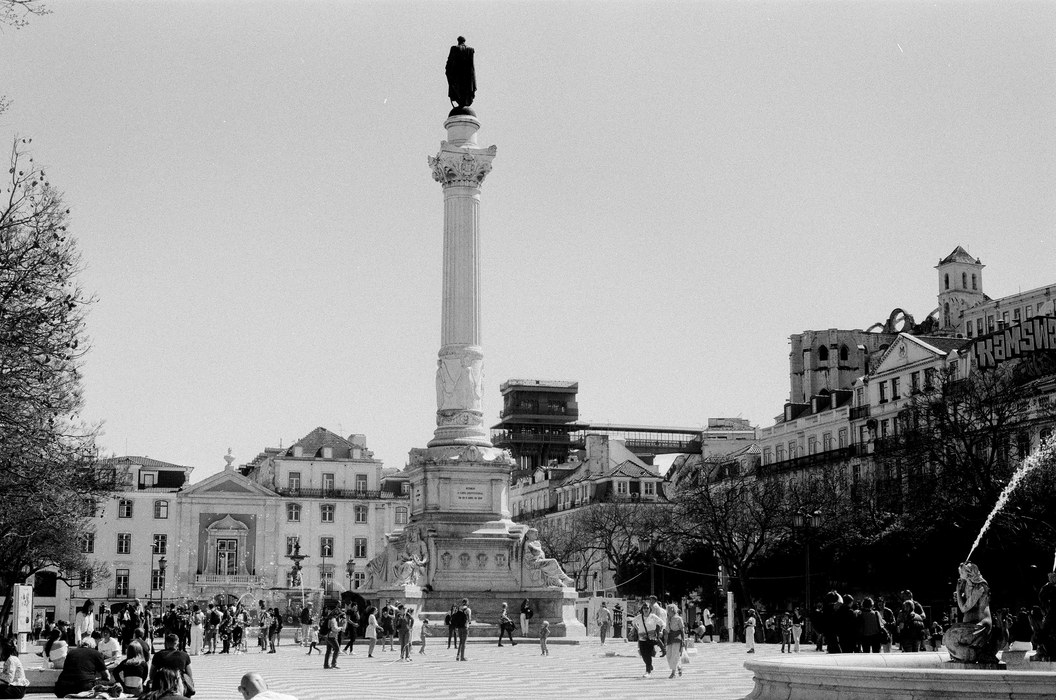
Lisbon’s 10-Event Autumn Will Redraw the City
From a runway in Rossio to a marathon on the river and a November collision of art, tech and performance, Lisbon’s next ten events form a second urban season. Here is the week-by-week map residents can actually use.
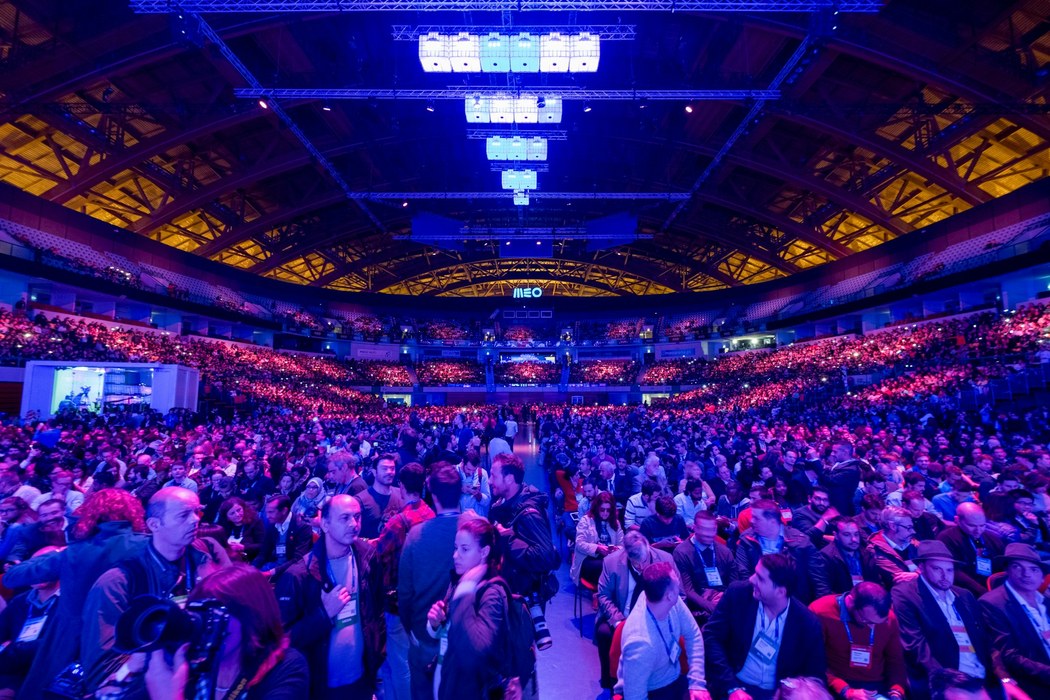
Lisbon’s €10.5 Million Web Summit Bet Needs a Scoreboard
Lisbon has put €10.5 million into its 2026 plan for Web Summit. The crowd is easy to count; the lasting value for residents is not—and the city has two editions left to prove it.
Latest
LiveCompany Facts
At a glanceUpdates
Recent updatesTimeline
Company historyAfonso Henriques captured the city, ending Islamic rule and anchoring it in the emerging kingdom of Portugal.
Under Afonso III, Lisbon became the kingdom's capital.
The disaster devastated Baixa and triggered a planned Pombaline reconstruction.
UNESCO inscribed Jerónimos Monastery and Belém Tower.
The 132-day world exposition brought more than 10 million visits and seeded Parque das Nações.
The urban song tradition joined the Representative List of Intangible Cultural Heritage.
A former military maintenance complex was designated for a startup, technology and creative district.
The award recognized the city's sustainability work and sharpened its climate commitments.
The overnight tourist tax increased to €4 as Lisbon tightened management of visitor pressure and local accommodation.
Startup Genome reported growth across funding, talent, market reach and ecosystem value.
Product History
What shipped, and whenLisboa Card
A visitor pass combining public transport with admission or discounts at museums, monuments and attractions.
Integrated public transport
Metro, CARRIS buses and trams, suburban rail and ferries connect the municipality and metropolitan area through interoperable tickets and passes.
Cultural and heritage network
Museums, monuments, performance spaces, historic neighborhoods and public art form both civic infrastructure and the visitor offer.
Startup support ecosystem
Unicorn Factory Lisboa and the Beato Innovation District offer incubation, acceleration, workspace, partnerships and investor access.
Green corridors and public realm
Connected parks, cycling links, riverfront routes and climate walks extend recreation and low-carbon mobility beyond the historic core.
FAQs
Frequently askedWhat is Lisbon best known for?
Its hilly historic neighborhoods, Tagus waterfront, yellow trams, tiled architecture, fado music and monuments in Belém.
How many people live in Lisbon?
The municipality recorded 545,923 residents in Portugal's 2021 census; the metropolitan area is much larger.
How much does public transport cost in 2026?
A CARRIS/Metro ticket costs €1.90, zapping costs €1.72 per Metro journey, and a 24-hour CARRIS/Metro ticket costs €7.25.
What is the easiest way to get around?
Walk within one district, then use Metro, tram, bus, train or ferry between districts. Hills, cobbles and crowding make route choice important.
When does a Lisbon visit work poorly?
A checklist-heavy trip centered only on the busiest historic streets can mean queues, heat and crowded transit. The city works better with extra time, neighborhood focus and off-peak travel.