iot-connectivity
(9)
Eseye Starts Where Most IoT Plans Go Wrong: Inside the Device
The British connectivity specialist sells a useful heresy: when an IoT project keeps dropping offline, the carrier may not be the first thing to blame. Eseye begins with the hardware, then makes hundreds of mobile networks behave like one managed system.
Blues Put 10 Years of Connectivity in a Tiny Card - So Hardware Teams Can Skip the Telecom Homework
Ray Ozzie’s latest company turns the messiest parts of industrial IoT into a small module and a JSON request. The payoff is speed; the tradeoff is that Blues works best when machines whisper useful data, not when they stream the world.

Able Device Bet the Tiny SIM Card Could Run Your IoT Fleet. Now the Market Is Catching Up.
For 16 years, a nine-person Raleigh company has argued that the most underused computer in telecom is already inside the device. SIMbae turns that overlooked chip into a programmable traffic cop for connected fleets - with no new hardware and far less Java Card work.
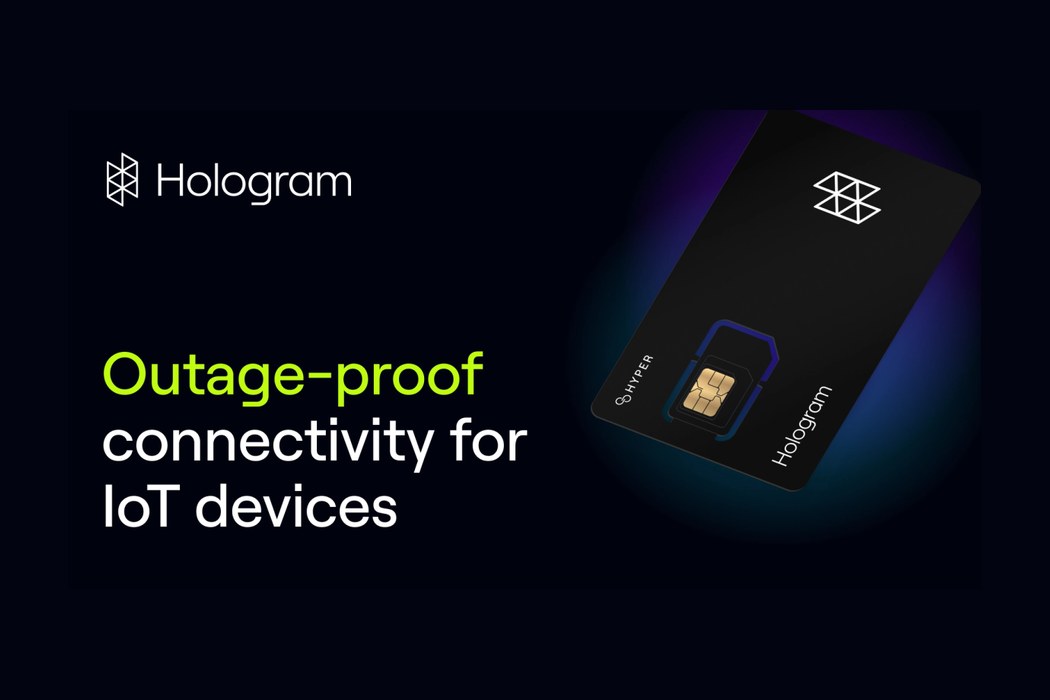
The $3 SIM That Turned Carrier Chaos Into a Global IoT Business
Hologram sells 'phone plans for things that aren't phones.' Its real product is relief: one SIM, one dashboard, and fewer 2 a.m. calls when a carrier goes dark.
The Tiny Wireless Company That Turned Trail Cameras Into Subscriptions
Zipit began with a pocket messenger for teenagers. Two decades later, it runs the unglamorous machinery that lets manufacturers connect devices, collect payments, and build recurring revenue around hardware.

AIRLINQ
The connected world runs on a mess of SIMs, carriers, invoices and national rules. AIRLINQ wants to turn that mess into one control panel - and make every connected car, meter and machine easier to operate as a business.
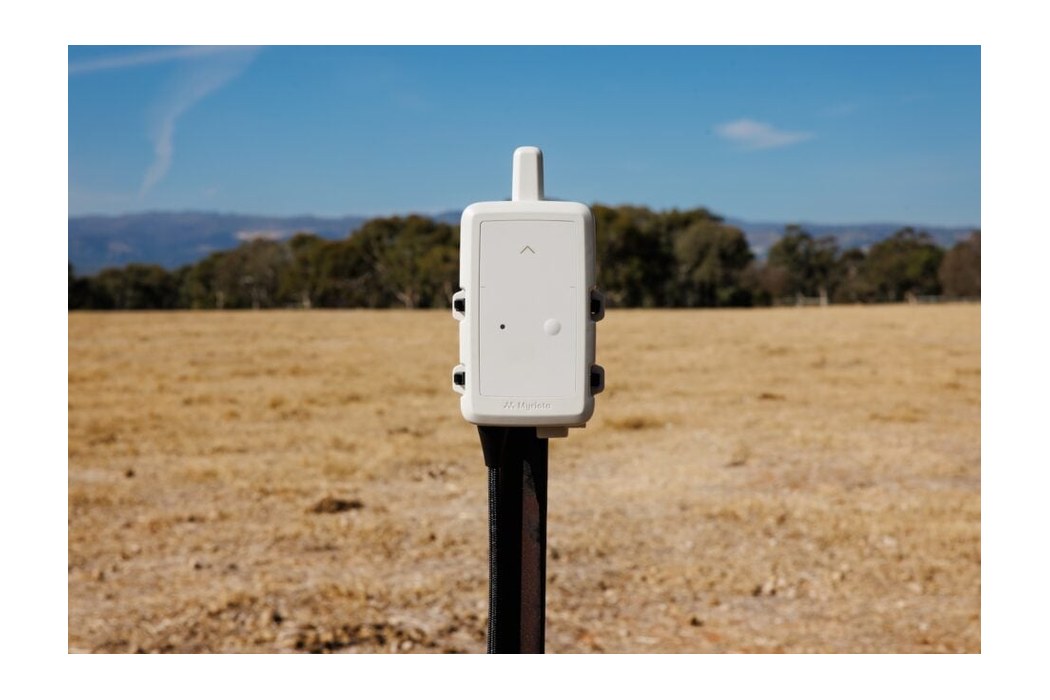
Myriota
Myriota is an Adelaide-based satellite IoT company that connects low-power sensors directly to a constellation of low Earth orbit nanosatellites, giving remote assets - water tanks, cattle, mining equipment, pipelines - affordable global connectivity with years of battery life and no ground infrastructure. Spun out of the University of South Australia in 2015 by Dr David Haley and Dr Alex Grant, the company commercialised a world-first direct-to-orbit transmission technique and now serves agriculture, water utilities, mining, transport and defense customers across multiple continents.
Swap Energi
Swap Energi is an Indonesian e-mobility startup that runs Southeast Asia's largest battery-swapping network for electric motorcycles. Instead of waiting to charge, riders exchange a depleted portable lithium-ion battery for a fully charged one at more than 1,500 stations - a process that takes roughly nine seconds. The company pairs this energy network with its own SMOOT smart electric motorcycles and a rider app, and has raised about US$29 million to electrify Indonesia's fleet of over 125 million two-wheelers.
US Mobile
US Mobile is a New York-based mobile virtual network operator that lets customers build their own wireless plans and switch between Verizon, AT&T, and T-Mobile on a single line. Branded internally as Warp (Verizon), Dark Star (AT&T), and Light Speed (T-Mobile), its 'Teleport' multi-network technology and eSIM-first approach have pushed it toward a self-styled 'Super Carrier' that now also bundles Starlink home internet. Founded in 2015 by Ahmed Khattak, it has grown from a niche unlocked-phone reseller to roughly a million customers.