inclusive-design
(15)
Level Access and the work after the audit
Finding an accessibility problem is the easy part. Level Access built a business around what happens next: getting people, software, and everyday work to change.

Scott Lien and the People Who Knew Better
He helped build the mobile future, then watched it leave his mother behind. With GrandPad, Scott Lien made her generation part of the design team.

Michelle Wahler and the $400 Million Slow Build
Before Levi Strauss & Co. bought Beyond Yoga, Michelle Wahler spent sixteen years making the small decisions: softer fabric, better fit, another wholesale relationship. Stepping away brought a different question: what should she build with her time?
accessiBe and the price of a shortcut
A small accessibility button became a $58 million business story. Now accessiBe is selling a broader answer to a stubborn problem: software can help open the web, but somebody still has to check the door.

Deque and the trouble with looking finished
A website can look immaculate and still shut people out. Deque built a business around finding the barriers - and making their repair part of everyday software development.
Remarkable Built an Accelerator Around the People Tech Usually Meets Last
A rough solar-powered wheelchair revealed a polished idea: disability-led inventions need more than applause. Remarkable built the training, capital and human feedback loop to help them become businesses.

Four IPOs, One Rhino, and a Better Case for an Accessible Web
After two decades measuring clicks, building products, and scaling digital businesses, Chad Sollis is applying an operator's eye to a stubborn problem: the web still turns away too many of the people it was built to serve.

Matthew Wetschler Treats Company-Building Like a Creative Practice
The Plume co-founder took a scenic route through art, athletics, public service, medicine and startups. The thread connecting it all is a stubborn belief that systems should be designed around the people who actually use them.
Be My Eyes
A free app built around a tiny human favor has become a global accessibility network - and a practical blueprint for building AI with the people it is meant to serve.
Haptic
Haptic (formerly WearWorks) is a New York-based company building navigation and communication that runs entirely on the sense of touch - no screen, no audio. Its patented HapticNav system creates a 'virtual corridor' of vibrations that keeps a person on course, first proven when a blind runner completed the NYC Marathon without sighted assistance. The company packages this into the Wayband wearable, a HapticNav app, and an SDK so developers can add tactile guidance to maps, rideshare, healthcare, and defense applications.
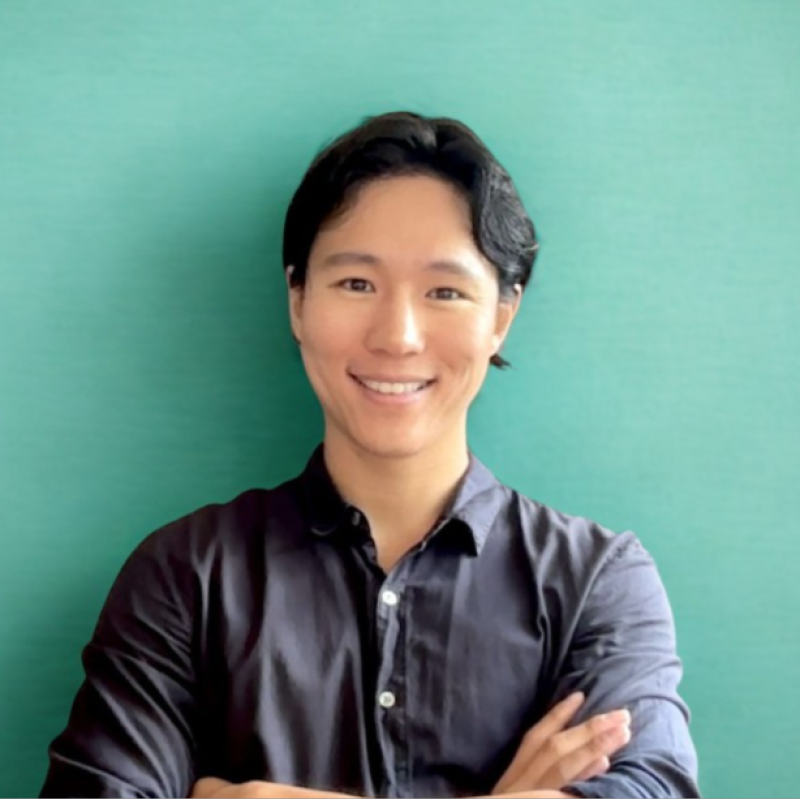
Kevin Yoo
Kevin Yoo is the CEO and co-founder of Haptic (formerly WearWorks), a New York-based technology company building tactile-feedback navigation tools. With co-founders Keith Kirkland and Yangyang Wang, he created the Wayband - a wristband that guides users through pure vibration. In 2017, the device helped ultramarathoner Simon Wheatcroft become the first blind runner to attempt the NYC Marathon without sighted assistance. Yoo is an industrial designer by training, a Pratt Institute alum, and a Council of Korean Americans member.

Eric Bailey
Eric Bailey is a Boston-based accessibility advocate, designer, writer, developer, and speaker. As a staff designer on GitHub's Primer design system, he works to make component libraries genuinely usable for people relying on assistive technologies. He is the longtime lead redesigner and maintainer of The A11Y Project, has published more than 200 articles across publications like CSS-Tricks, Smashing Magazine, and the GitHub Blog, and is a fixture on the conference circuit. His guiding line: if it's inaccessible, it is neither radical nor revolutionary.

Hidde de Vries
Hidde de Vries is a Dutch front-end, design systems and web accessibility specialist who works on web standards for the Dutch government and sits on the W3C's Advisory Board. A co-editor of WCAG and WCAG-EM and a former Mozilla, W3C and Sanity contributor, he writes prolifically at hidde.blog about making technology work for humans, and is a regular conference speaker across Europe.
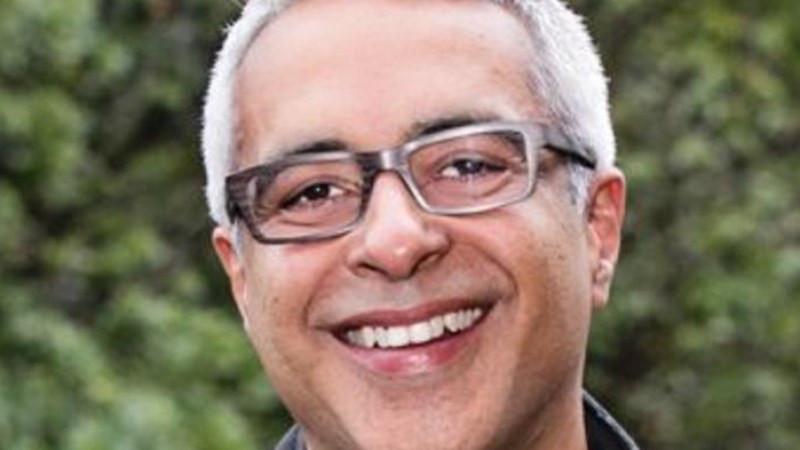
Navin Thadani
Navin Thadani is the Founder and CEO of Evinced, the leading AI-powered digital accessibility testing company based in Palo Alto, California. A serial entrepreneur with two prior successful exits (Qumranet to Red Hat and Ravello Systems to Oracle), he co-founded Evinced in 2018 with a mission to make the web and mobile apps accessible to the 1.3 billion people worldwide living with disabilities. Under his leadership, Evinced has raised $112 million across three funding rounds, built a 130-person team, and become the only pure technology play in the enterprise accessibility market, serving clients including five of the ten largest media companies in the US and UK, and financial institutions collectively managing $26 trillion in assets.

Scott Vinkle
Scott Vinkle is a Toronto-based Accessibility Specialist at Shopify with over 12 years of experience making digital products usable for everyone. Holding the IAAP CPWA certification - one of the highest credentials in web accessibility - he co-leads Shopify's accessibility guild, contributes to W3C ARIA standards, speaks at international conferences, and publishes practical accessibility guidance through his newsletter, blog, and Medium. He's the rare specialist who bridges the gap between compliance checkbox and genuine inclusive design.