hispanic-marketing
(18)
The Miami Agency That Stopped Translating America
Republica Havas built a business around a simple correction: people do not become generic consumers when they see an ad. Its journey from two founders over coffee to Havas's cross-cultural flagship shows what happens when culture moves from the footnote to the brief.

The Agency That Starts Before the Ad
MarketVision built a business by noticing the moment before a campaign begins: when a frozen biscuit feels like guilt, insurance feels like homework, or public-health advice feels impossible to ask. Its answer is to listen first - and let culture change the brief.

The Translation Trap d expósito & Partners Refused to Enter
The New York agency spent two decades arguing that culture is not a decorative layer. Its best work shows what happens when language, media and human behavior are treated as one problem.
The Three Words That Became San Antonio's Reflex
A tiny San Antonio agency sold a three-word idea nobody found remarkable. Twenty-seven years later, the city still says it - and the method behind it now helps public institutions change names, minds and momentum.
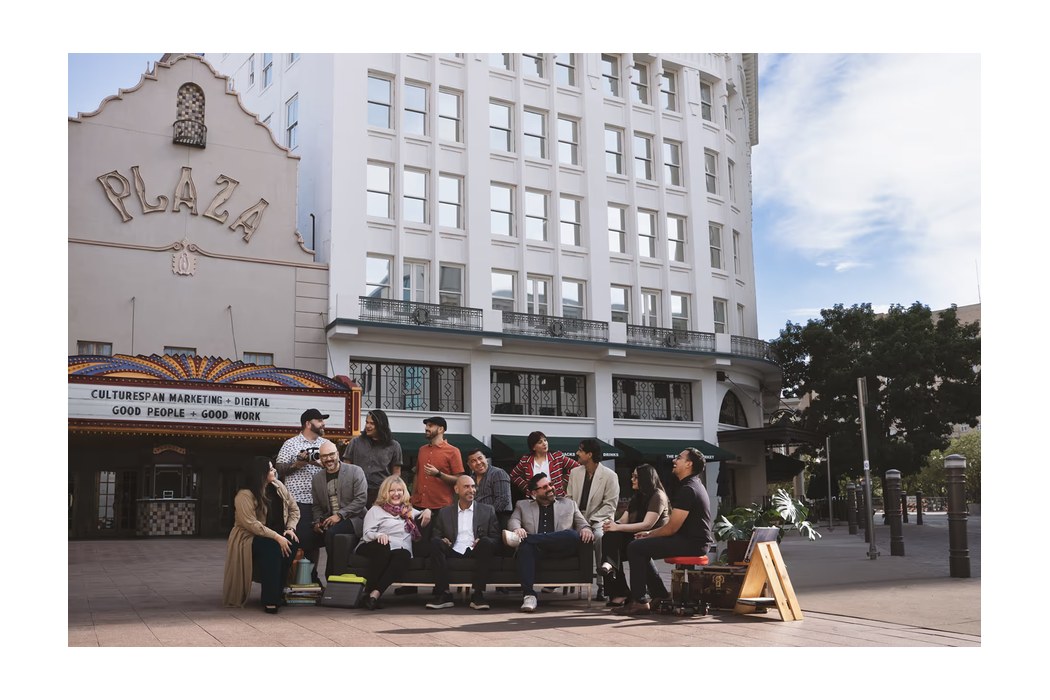
The Little Purple Spot That Changed Their Minds
An El Paso agency spent decades learning that Spanish is rarely the hard part. The hard part is finding the idea a community will trust - and being willing to discard the one that looked sensible in the conference room.

BODEN Agency Heard the Future Before Brands Could See It
The Miami communications firm built a business around a deceptively simple advantage: listen closely enough to culture, and a niche brief can become the mainstream story.

The 13-Person Agency That Helped Move $250 Million
Marketing SI makes an unusual promise: think like the client, work inside the team, and let the numbers decide whether the idea was clever.

LAGRANT Learned to Translate Trust Before It Bought Attention
For 35 years, the Los Angeles agency has worked in the gap between a message being seen and a message being believed. Its case studies show the method: research the audience, build in culture, then measure what moved.

The Ad Agency That Refuses to Translate
d2H Partners built a business around an awkward truth: a Spanish version of an English ad is still an English ad. Its answer is to rebuild the path to purchase, one measurable sale at a time.

Arenas Entertainment Knows Who Gets Left Out of the Trailer
A Hollywood marketing agency built around U.S. Hispanic audiences has survived a short-lived studio partnership and a change of ownership. Its enduring product is knowing how to make an invitation feel personal.
Social Media Relations learned the hard way: relationships need a sales pipeline
A $15,000 project helped Melissa Rodriguez keep going. Her Los Angeles agency now helps brands answer a deceptively difficult question: who are you actually trying to reach?

CWH Agency knows who belongs in the room
From Latina fashion-week experiences to AI-assisted reputation work, CWH Agency connects the story a brand tells online with the people it meets in person.

VPE Communications knows who belongs in the picture
A lifeguard shortage, a Paralympian and a better-paid summer job reveal how this Latina-owned agency approaches persuasion. Its work starts with the people a campaign needs to reach.

The Axis Agency knows what a slipper can say
A grocery ad, a football jersey, an insurance application. The Axis Agency builds campaigns around the cultural details that make people pay attention - and the practical steps that help them act.

UNITED COLLECTIVE knows why milk needs a skatepark
A Huntington Beach agency group built its business around a useful conviction: understanding a community should change what a brand makes, not just what its ads say.

H+M Communications knows who brings the crowd
A superhero without its stars. A sequel with Miami in its corner. Inside the PR agency that makes cultural belonging part of the marketing brief.

Sportivo knows who belongs in the stands
Nike stayed for more than a decade. LAFC brought it in early. Sportivo’s business is helping sports brands understand the Latino fans they want to reach.

Arenas Group Saw Hollywood’s Audience Before Hollywood Did
Santiago Pozo started with $6,000 and a conviction that U.S. Hispanic moviegoers deserved a proper invitation. Arenas turned that idea into decades of entertainment campaigns, then followed the audience into streaming.