grid-reliability
(13)
Invenergy’s 38-Gigawatt Trick: Build the Power Plant, the Contract, and the Patience
The Chicago power builder became North America’s largest privately held independent producer by treating energy as a full-stack business. Its advantage is execution across decades - and its latest pivots show exactly where that model bends.

Triple Oak Power’s 8-Gigawatt Bet: Turn the Messy Middle of Clean Energy Into Something Banks Can Back
Triple Oak Power does not sell turbines. It sells uncertainty reduction - the patient work that turns wind, land, grid access and local consent into financeable power projects.
Lancium Bet on Bitcoin’s Power Problem. AI Made the Grid Its Product
Lancium started by teaching Bitcoin mines when to switch off. A delayed rollout and the AI power crunch turned that clever software idea into something much bigger: the land, wires and energy system beneath gigawatt-scale computing.

The Power Broker Behind the AI Boom
ECP spent two decades learning how electricity actually gets made, moved and financed. Now AI has turned that unfashionable expertise into one of private markets' most valuable specialties.

The Power Plants Nobody Wants - Until the Grid Needs Them
Rockland Capital built a private equity strategy around the awkward middle of the energy transition: keeping the grid reliable while cleaner power scales. Its edge is not a new technology, but an operator's appetite for complicated assets.

NRG Wants to Run the Power Plant - and Your Thermostat
NRG spent years becoming a retailer you might meet on an electricity bill. Now it is joining power plants, smart homes and flexible demand into one system - a bet that the winner in the next energy cycle will understand both sides of the meter.
Vistra Corp.
Vistra sells power at both ends of the wire: a sprawling fleet makes the electricity, while familiar retail brands sell it to nearly 5 million customers. The result is a revealing bet on what the American grid needs next - nuclear endurance, gas flexibility, batteries, and a great deal more demand.

Tennessee Valley Authority
TVA sells electricity, manages a river and recruits factories - a New Deal institution now being tested by record demand, a multibillion-dollar buildout and the uncertain promise of small nuclear reactors.
AGent Energy
AGent Energy (branded AiGent) is a Houston-based energy-tech company that uses AI software and secure hardware to aggregate, orchestrate, and monetize idle backup generators at commercial, industrial, and mission-critical sites. By connecting these behind-the-meter assets to wholesale power markets during peak demand and grid emergencies, AGent turns standby liabilities into dispatchable, revenue-generating distributed power plants - improving grid reliability without building new infrastructure. The company is targeting a roughly 185 GW fleet of existing backup generation across the U.S.

Sunairio
Sunairio is a Baltimore-based climate-and-energy analytics company that builds next-generation grid forecasting software where weather, climate, and energy meet. Its flagship platform, Sunairio ONE, generates 1,000 ensemble forecast paths - versus the 50 typical of legacy methods - to capture the extreme, hyperlocal weather events that break grids and portfolios. Spanning timescales from the next 15 days to the next 15 years, Sunairio helps utilities, renewable developers, traders, and investors plan for volatility instead of being surprised by it.

Recurve
Recurve is a San Francisco / Mill Valley-based climate software company that turns behind-the-meter customer devices - smart thermostats, heat pumps, EV chargers, batteries - into reliable grid resources. Its FLEX platform uses revenue-grade smart-meter data and open-source measurement methods (OpenEEmeter / CalTRACK) to let utilities, regulators and aggregators design, run and verify demand-flexibility programs and pay for performance. In effect, Recurve builds the market plumbing for virtual power plants, so the grid can lean on millions of small homes and businesses instead of a single new gas peaker plant.

Splight
Splight is a grid-technology company that uses machine learning to squeeze more capacity out of the power lines that already exist. Its flagship product, Dynamic Congestion Management (DCM), reads real-time conditions on transmission lines and turns fast-responding assets like batteries and data centers into grid-stabilizing tools, unlocking up to twice the usable capacity without building a single new tower. Founded in 2020 and headquartered in San Francisco, the company targets utilities, grid operators, and the AI data centers straining the grid - it now manages more than 3 gigawatts of grid assets and has raised about $24.4M to expand across North America and Europe.
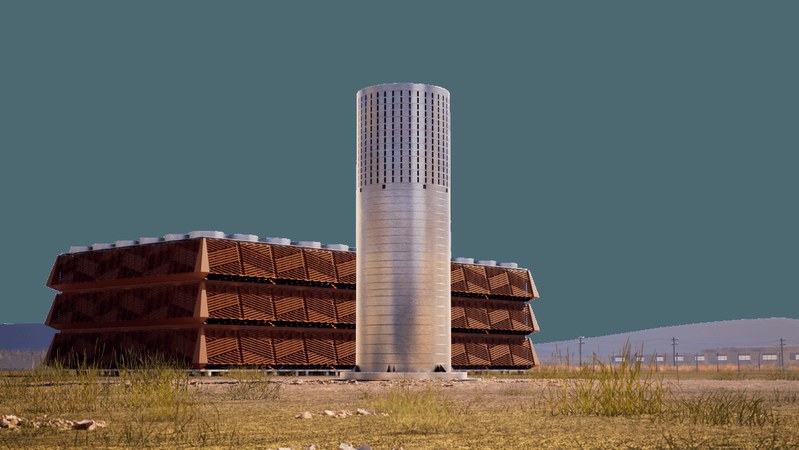
Last Energy
Last Energy is a US-based developer of factory-built micro modular nuclear power plants. Its flagship PWR-20 is a 20-megawatt pressurized water reactor assembled from truck-shippable modules and delivered as a turnkey, build-own-operate service. Rather than selling reactors, Last Energy sells electricity and heat under long-term power purchase agreements, targeting data centers and energy-intensive industries that need reliable, carbon-free baseload power without financing or operating a plant themselves.