fuel-efficiency
(6)
Lightfoot wants to pay you to ease off the accelerator
The British fleet-tech company turns smoother driving into a prize-winning habit. Behind the dashboard lights is a serious wager: fuel savings last longer when the driver gets something too.

Orca AI wants to give ships more time to think
A camera on the bridge is becoming a fleet-wide habit. Orca AI’s bet is that spotting trouble earlier can make shipping safer, calmer and cheaper - while crews keep command.

GreenRoad Put a Traffic Light in the Cab - Then Turned Safer Driving Into a Score
The fleet-tech veteran built its business on a stubborn idea: the useful moment is not after a harsh turn appears in a dashboard. It is while the driver can still correct it.
The San Diego startup betting the plane is the wrong shape
Every commercial jet you have ever flown is a tube with wings bolted on. Natilus thinks that is a $24 billion mistake - and it has the order book to argue about it.
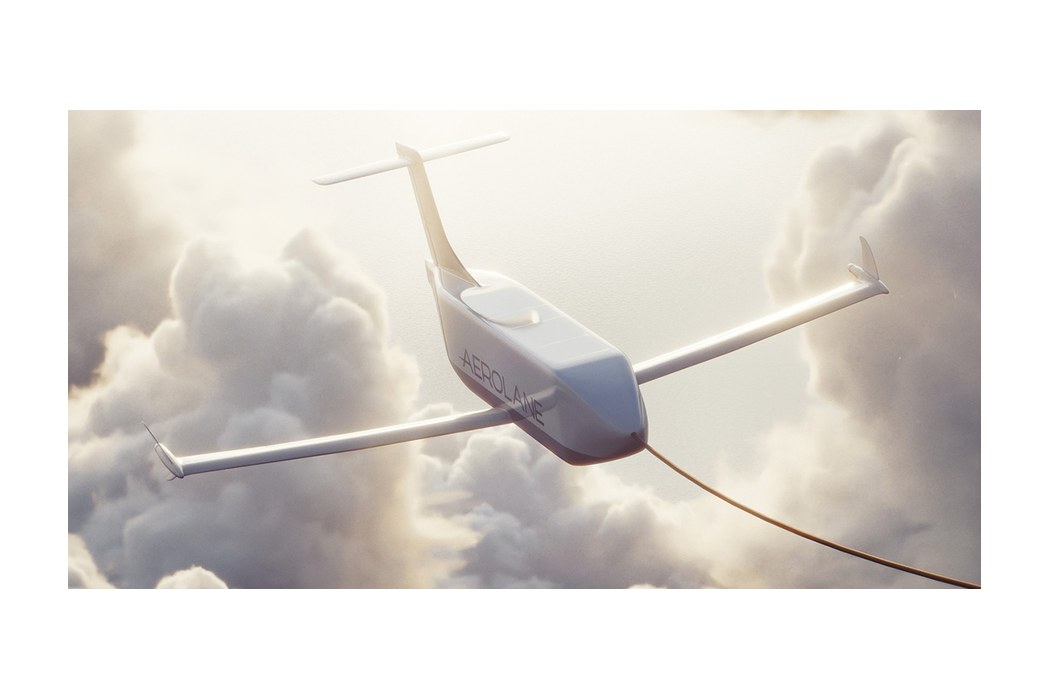
Aerolane
Aerolane is a Texas aerospace company reviving one of aviation's oldest tricks - the towed glider - for modern air freight. Its engineless Aerocart gliders are pulled behind conventional turboprops in a formation the company calls a 'sky train,' letting a single lead aircraft carry a second load of cargo. By eliminating engines and fuel on the trailer and surfing the lead plane's slipstream, Aerolane claims up to 65% lower operating costs and up to 50% more range, aiming to bring air-speed delivery closer to the cost of ground transport.
Aperia Technologies
Aperia Technologies is a Hayward, California hardware-and-software company whose Halo Tire Inflator and Halo Connect platform keep commercial truck tires at the right pressure using only the wheel's rotation. Founded in 2010 by Stanford-trained engineers Josh Carter and Brandon Richardson, the company helps fleets cut fuel use, prevent blowouts, and reduce roadside breakdowns across billions of miles of freight.