Company Profile / Aerospace
The San Diego startup betting the plane is the wrong shape
Every commercial jet you have ever flown is a tube with wings bolted on. Natilus thinks that is a $24 billion mistake - and it has the order book to argue about it.
The airplane you last boarded was, structurally, a very old idea. A cylinder to hold people, a pair of wings to hold it up, engines hung underneath. The tube-and-wing shape has been the default since roughly the 1930s, and for nearly a century every efficiency gain has come from better engines, lighter alloys and cleverer software - never from questioning the silhouette. Natilus, a 47-person company working out of San Diego, thinks the silhouette is exactly where the money is hiding.
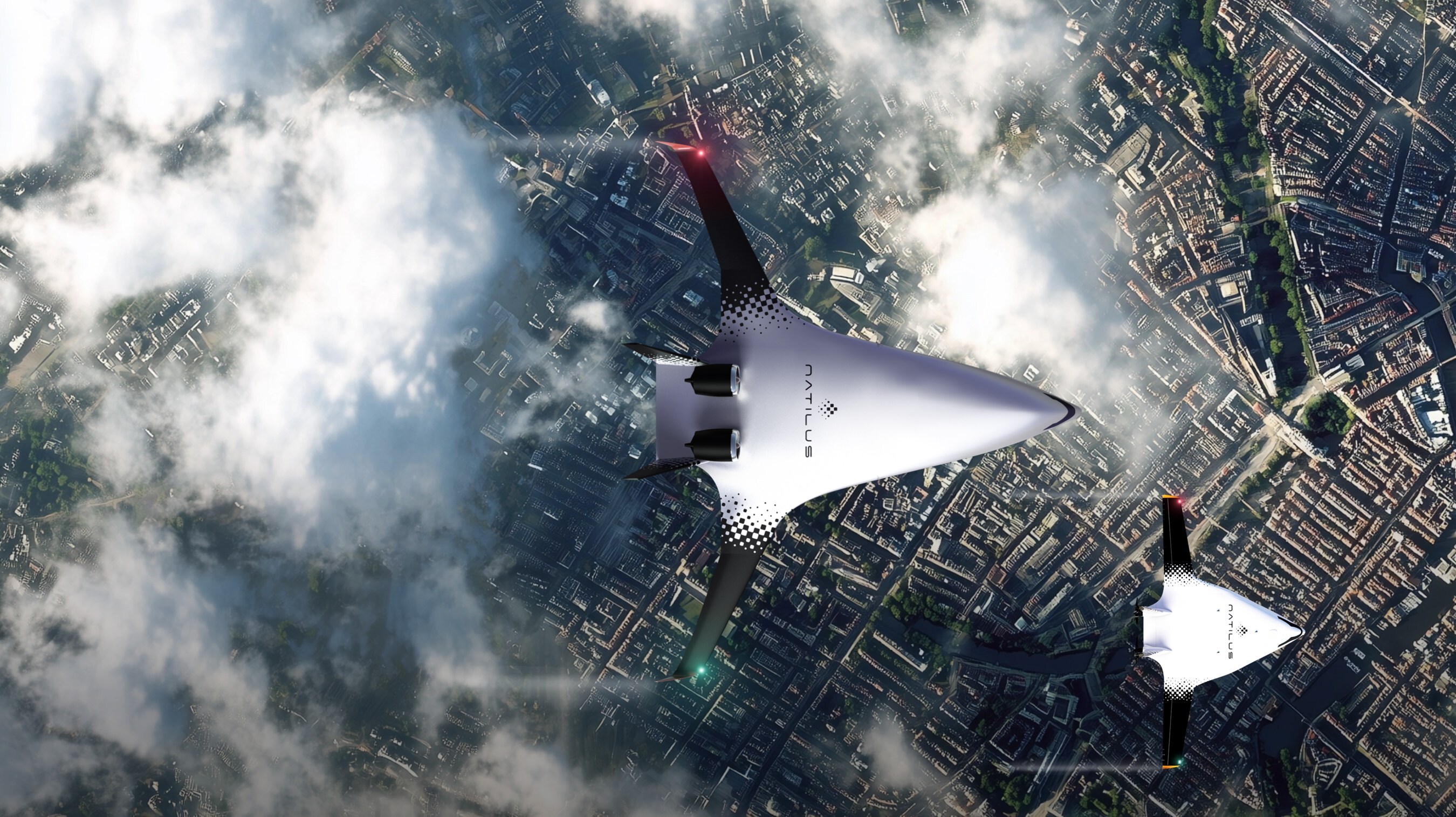
Its answer is the blended-wing-body, or BWB: an aircraft where the fuselage and wings melt into a single continuous lifting surface, so the whole machine generates lift instead of just the wings. It looks a bit like a manta ray. Aerospace engineers have sketched versions of it for decades - NASA and Boeing among them - because the aerodynamics are genuinely better. What almost nobody has done is convince airlines to reserve hundreds of them before a full-scale one has flown. Natilus has, to the tune of more than 570 aircraft valued at roughly $24 billion.
The originTwo people who couldn't ship parts fast enough
Natilus was founded in April 2016 by Aleksey Matyushev and Anatoly Starikov, and the origin is refreshingly unheroic. The pair ran an industrial design firm and kept hitting the same wall: getting product out of Asia was either cheap and unbearably slow (sea freight) or fast and financially painful (air freight). There was no middle. That gap - fast enough to matter, cheap enough to use - became the company. Matyushev runs it as CEO; Starikov leads operations and prototyping.
The company started in the San Francisco Bay Area, took an early $750,000 check from Tim Draper, and passed through the aviation-focused Starburst accelerator in Los Angeles. In 2021 it moved to San Diego, partly for the aerospace talent pool and partly to sit near a world-class wind tunnel. When your entire thesis is "the shape is better," you want a wind tunnel close by.
The productsKONA first, Horizon later - and that order matters
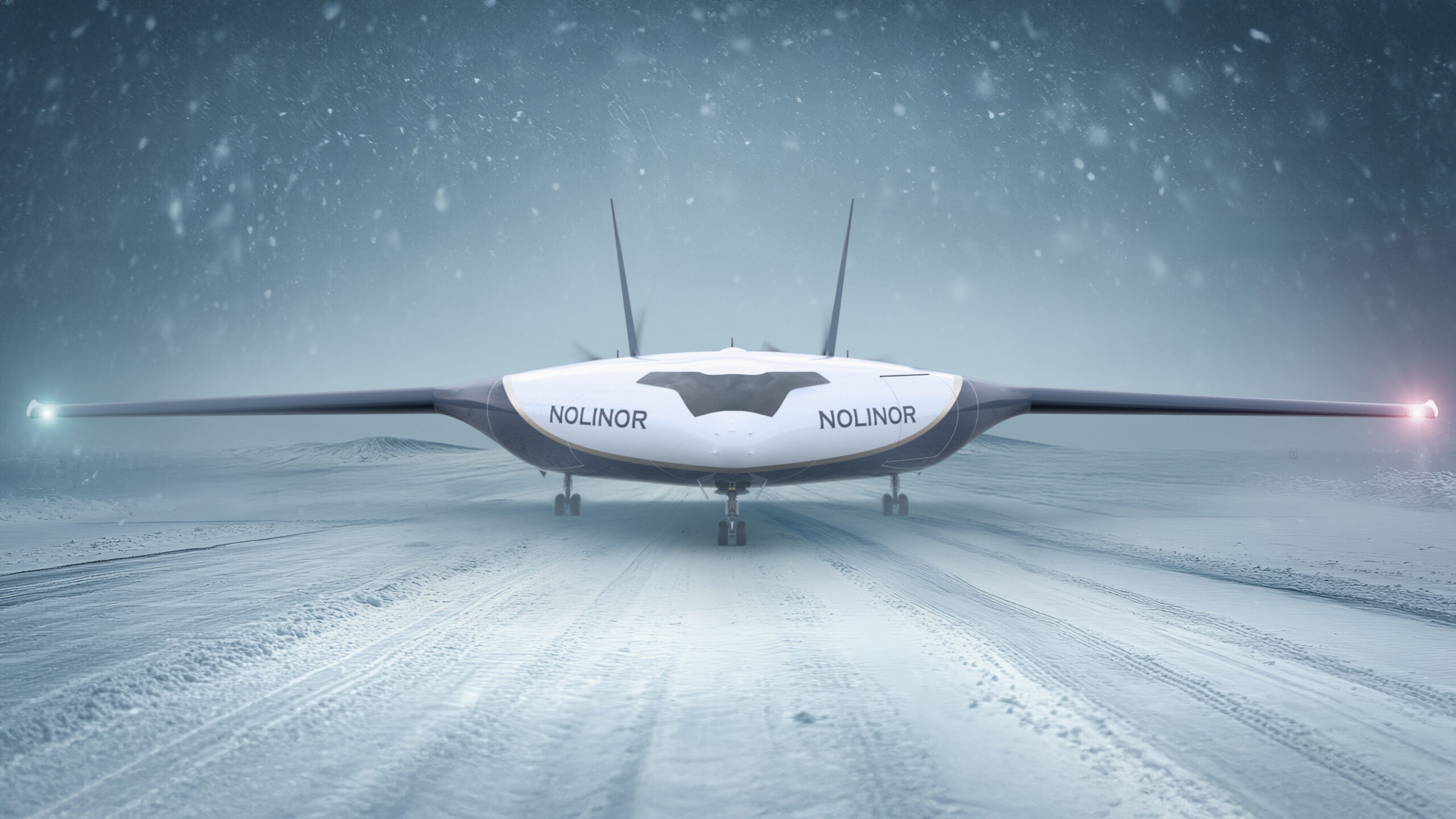
Natilus is building two aircraft, and the sequence is the strategy. First out is KONA, a regional cargo freighter with a 3.8-ton payload and roughly 900 nautical miles of range, built from carbon fiber and fiberglass composites and powered by Pratt & Whitney turboprops. It can be optionally piloted and is designed to operate off short or gravel runways - the kind of unglamorous route where a smarter freighter earns its keep. Subscale KONA prototypes flew in 2023; a full-scale prototype is targeted to fly roughly within 24 months of the 2026 raise.
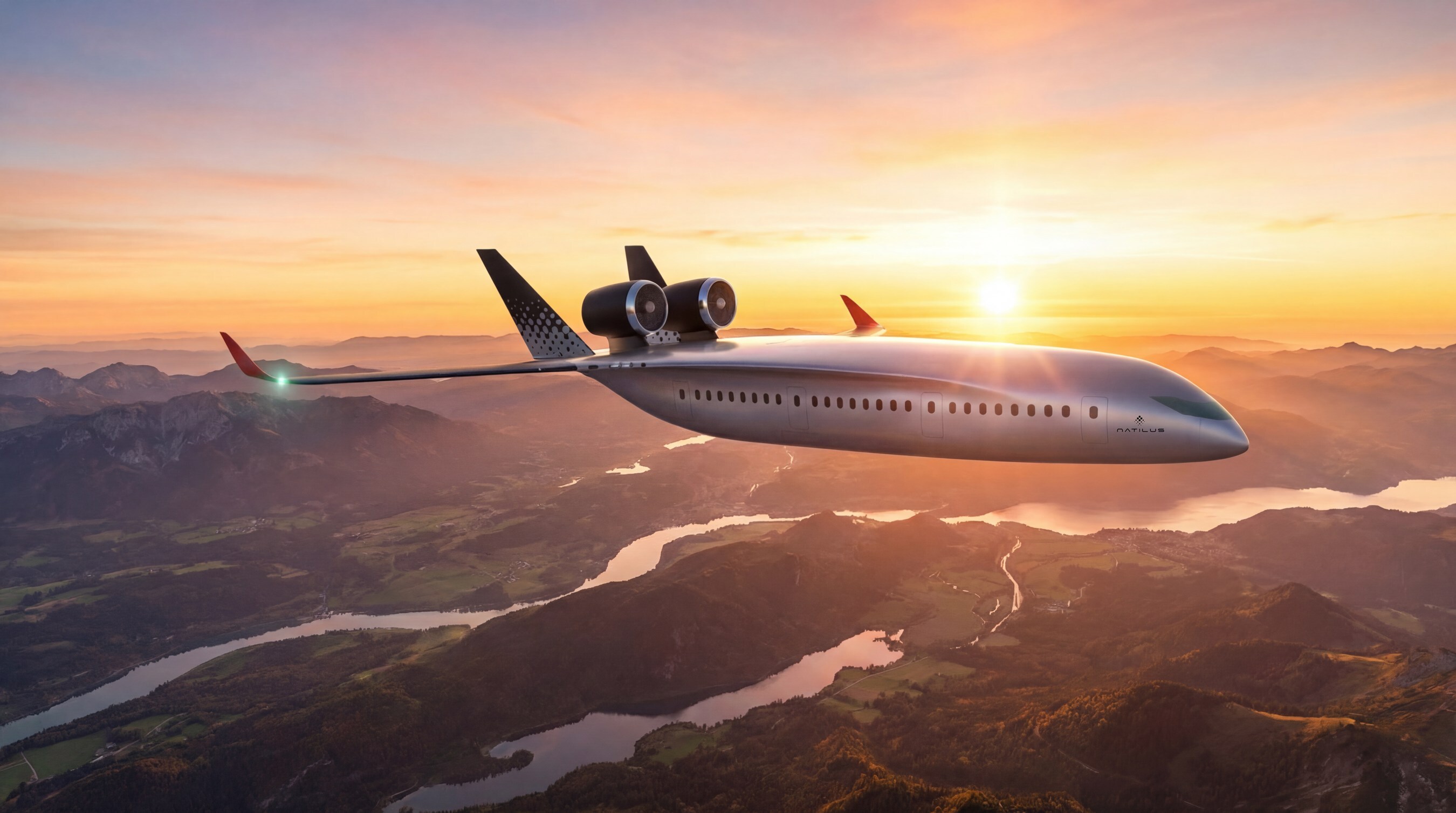
Second comes Horizon (now Horizon Evo), a 200-plus-seat passenger airliner - up to around 240 in a high-density layout - built in carbon-fiber-reinforced plastic and aimed straight at the Boeing 737 MAX and Airbus A321neo. Somewhere along the way it grew a second deck: passengers ride up top, standard air-freight containers travel below in the same airframe. Commercial service is targeted for the early 2030s. Doing cargo first is the point: freight is a more forgiving place to prove a radical airframe, because a pallet never files a complaint about a new shape.
Why it's differentSame everything, except the shape
Here is the quietly clever part. For something so radical, Natilus's plan is stubbornly conventional everywhere it can afford to be. Same engines (Pratt & Whitney turboprops on KONA). Same airports - Horizon is designed to fit existing gates and infrastructure. Same pilots, same fuel. The only thing that changes is the airframe. That is a deliberate way to shrink the risk surface: airlines don't have to rebuild their operations to fly a Natilus, they mostly have to accept a new outline.
The wider lifting body also buys cabin real estate that a narrow tube can't. Natilus has shown interior renders with club-style seating and enclosed "work-from-sky" privacy pods - the sort of layout a fat, flat cross-section makes possible and a cylinder makes awkward. Whether airlines actually fit them that way or cram in seats is their call, but the geometry gives them the option.
The customersAn order book that reads like a coalition
The reservations are the most interesting asset Natilus owns, precisely because a full-scale aircraft hasn't flown yet. The freight side leads with names like Ameriflight (20 KONA), Nolinor Aviation and freight-forwarder Flexport - which is notable for being an investor and a customer at once. On the passenger side, India's SpiceJet signed in December 2025 for up to 100 Horizon jets and agreed to help certify the design in India, prompting Natilus to spin up a Mumbai-based subsidiary, Natilus India.
These are reservations, not delivered revenue - conditional on the aircraft actually existing and getting certified. The honest read is that the order book is a measure of demand and belief, not of cash in the bank. But for a hardware company that needs years and money before first delivery, a $24 billion signal of intent is a useful thing to walk into a fundraise holding.
The money$28 million, and a very on-brand cap table
In February 2026 Natilus closed a $28 million Series A led by Draper Associates, with Type One Ventures, The Veterans Fund, Flexport, New Vista Capital, Soma Capital, Liquid 2 VC, VU Venture Partners and Wave FX joining. The cash is earmarked to finish KONA's full-scale prototype and push Horizon Evo forward. Tim Draper - who wrote the very first $750,000 check back at the start - framed it plainly.
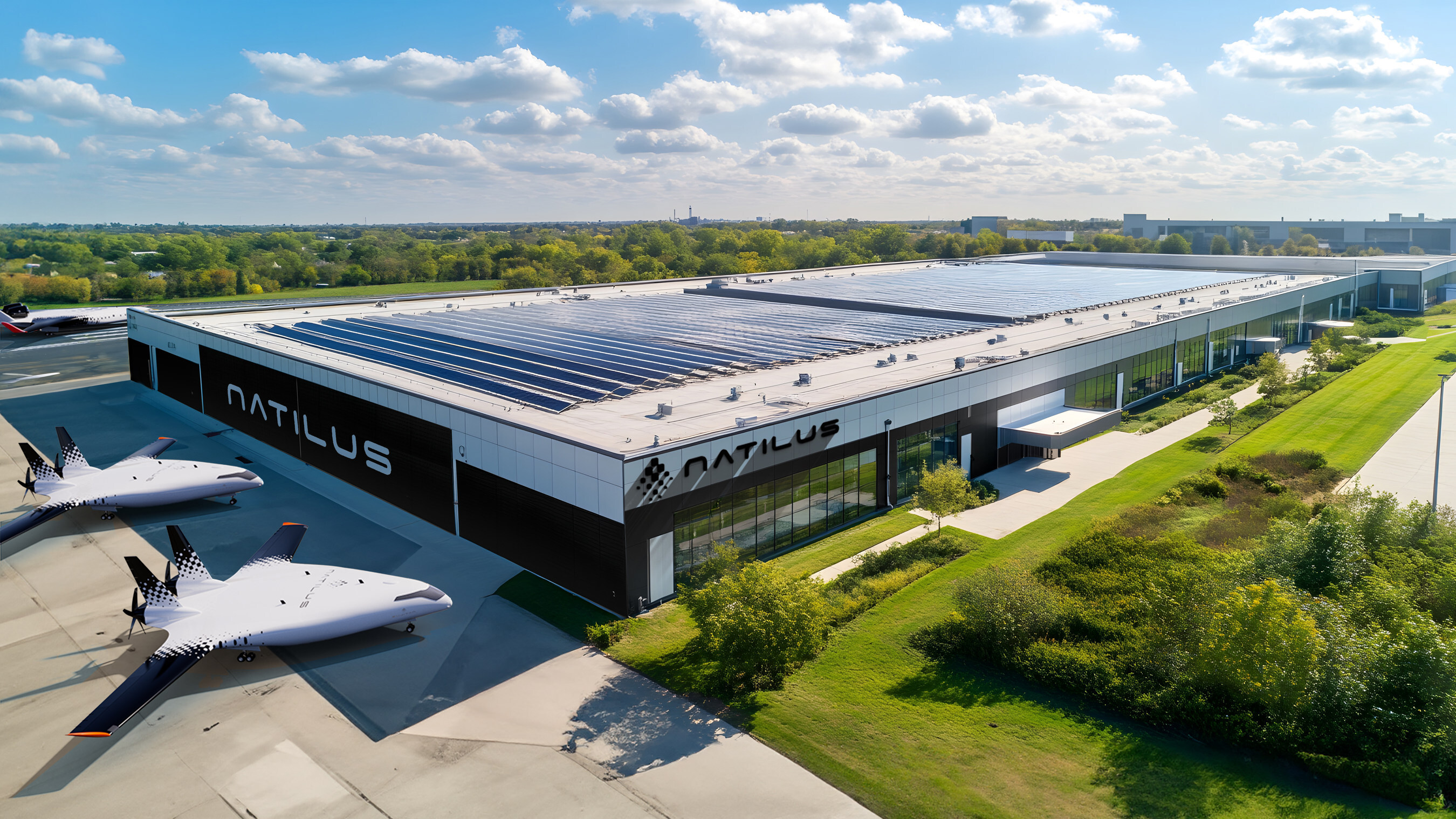
The business model underneath is a classic aircraft OEM: design the plane, manufacture it, sell it to operators, take deposits along the way, and later add leasing, parts and service. Natilus has begun a US-based manufacturing push, hunting for a Phase I site of about 250,000 square feet to build roughly 60 KONA a year, with a far larger Phase II facility envisioned for Horizon. It also added former Boeing Phantom Works and Military Aircraft VP Kory Mathews to its board - the kind of hire that signals it knows the hardest part is still ahead.
The timelineTen years from a shipping headache to a Series A
The marketWhere a 47-person startup actually fits
Natilus is small in a business defined by giants. Boeing and Airbus own the narrowbody market Horizon is aimed at, and clean-sheet aircraft take years and enormous capital to certify. But the company isn't trying to out-Boeing Boeing on day one. It's slipping in through cargo - a segment where operators care about cost-per-ton and tolerate unusual airframes - and using that to prove the shape before it asks anyone to trust it with passengers. On the BWB frontier it shares the road with efforts like JetZero and Airbus's own research, plus autonomous-cargo players in adjacent niches.
What can a reader actually take from this? The playbook travels well beyond aviation: pick a genuinely better design that incumbents ignore because switching is painful; de-risk it on the least-sensitive customers first (freight, not passengers); sell intent before you sell product to prove demand; and keep everything except your core innovation boringly standard so buyers change as little as possible. It works when the underlying advantage is real and the switching cost you're asking for is small. It does not work if certification, capital, or physics turn out to be the actual bottleneck - and for a company that hasn't flown a full-scale aircraft yet, those remain open questions. The order book is a promise. The prototype is the proof, and it hasn't taken off.