founder-mentoring
(9)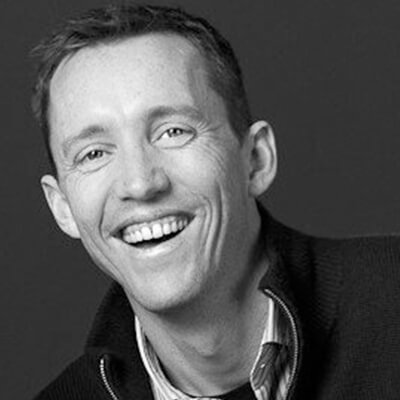
Neil Watson and the art of arriving too early
He started selling computers online in 1999, then found a better business helping other companies sell theirs. After two decades at Digital Planet, Neil Watson took those lessons to the other side of the investment table.
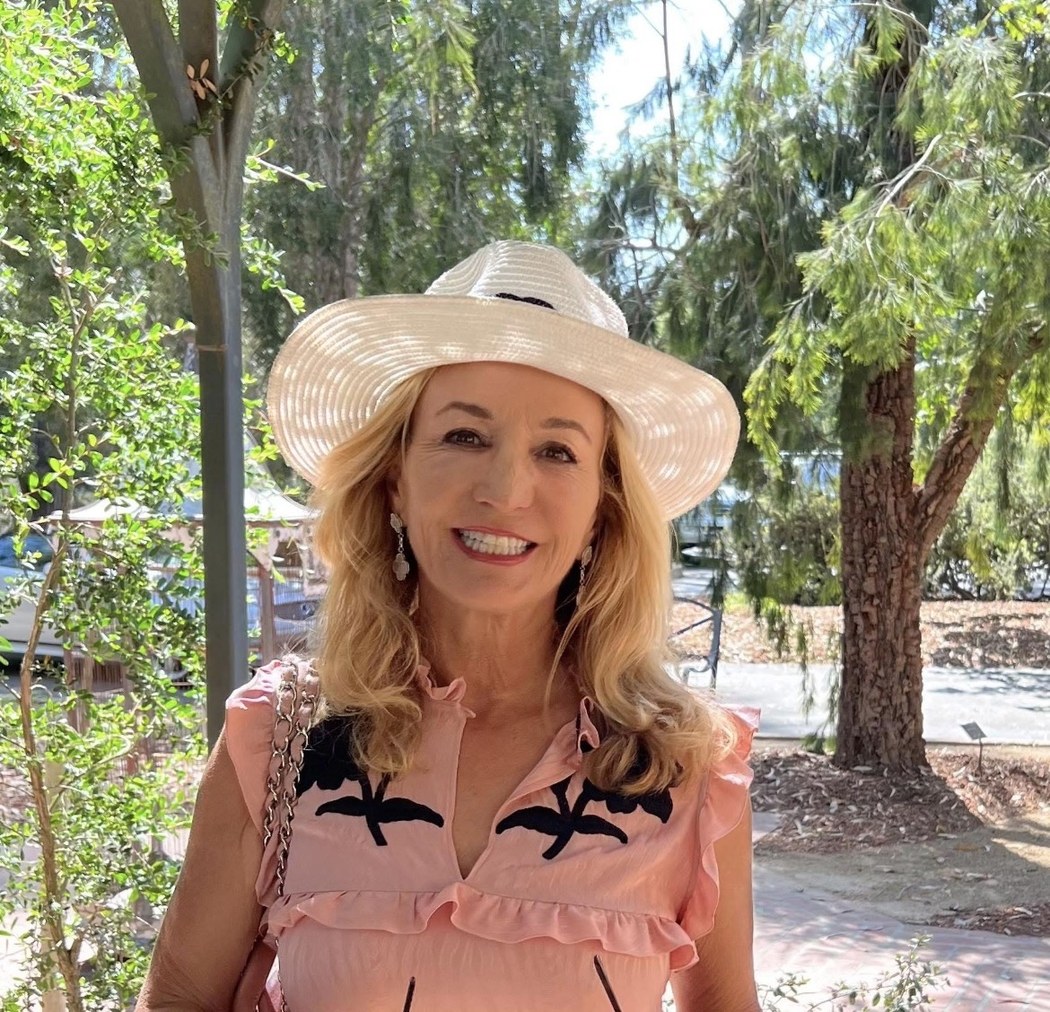
Wynne Ahern and the art of changing the audience
She left commercial litigation, founded CommStrat PR and helped technology companies explain themselves. Along the way, Wynne Ahern made time for founders learning the same difficult skill.

Antti Korhonen keeps an old map for a new world
A 1970s map in a Helsinki meeting room offers a clue to the xEdu co-founder’s work: helping education entrepreneurs notice what has changed, and find the people who can help them catch up.
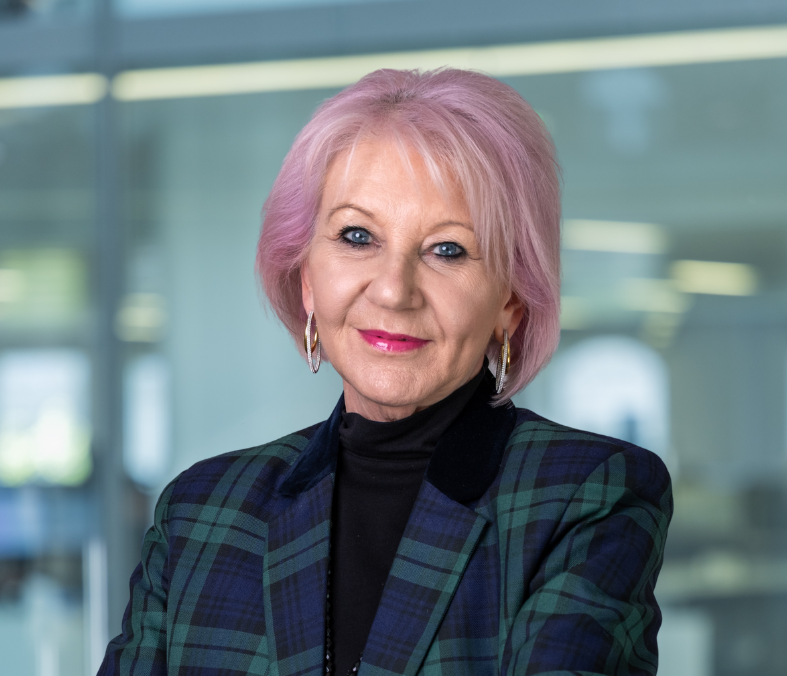
Elizabeth Gooch and the business of letting go
She spent 29 years building eg solutions, returned after a boardroom setback, and watched it sell for £26.3 million. Now Elizabeth Gooch helps other founders face the decisions that once caught her by surprise.
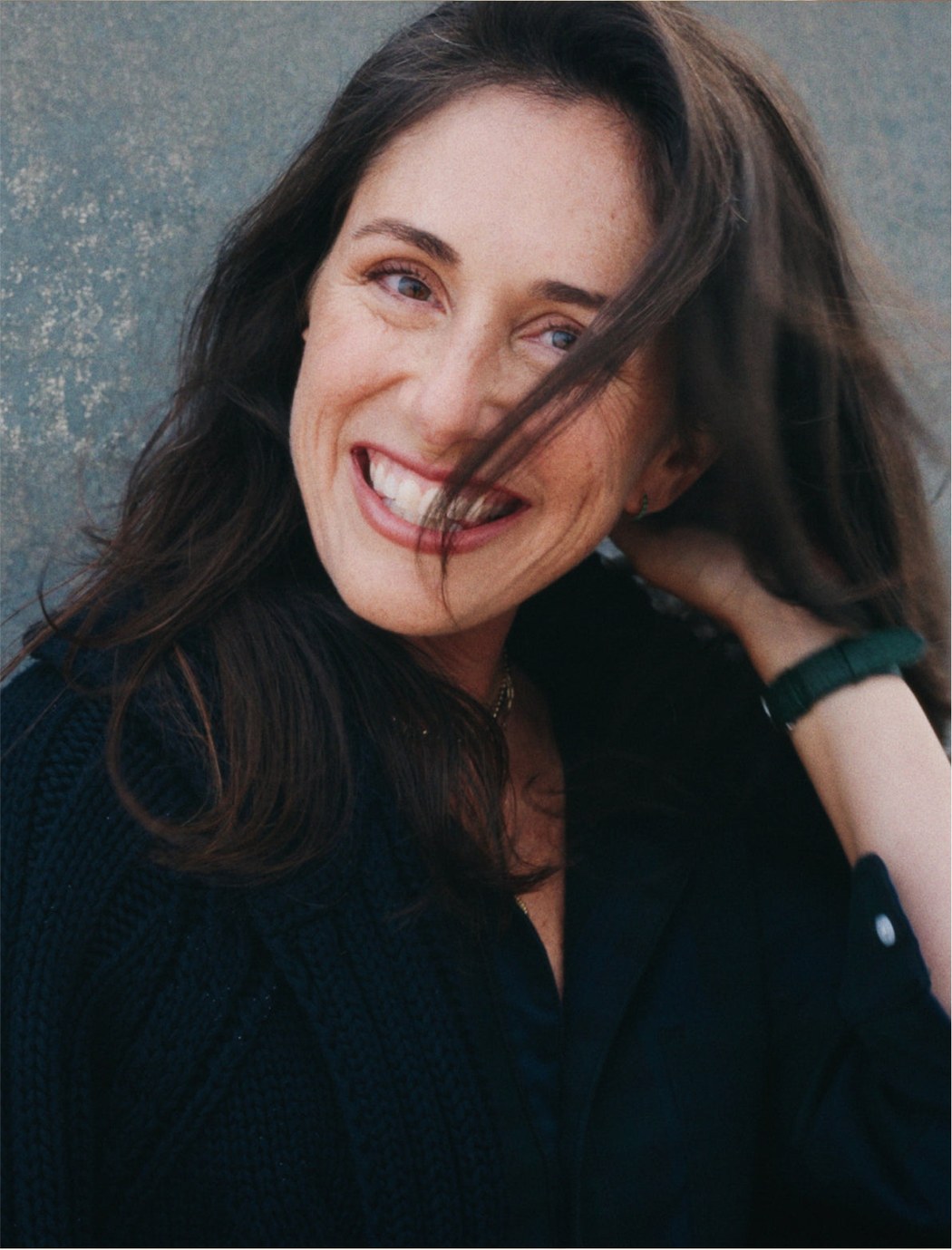
Michelle Wahler and the $400 Million Slow Build
Before Levi Strauss & Co. bought Beyond Yoga, Michelle Wahler spent sixteen years making the small decisions: softer fabric, better fit, another wholesale relationship. Stepping away brought a different question: what should she build with her time?

Sujay Suresh Kumar and the distance between an idea and a factory
From circuits for CERN’s ATLAS experiment to two years with manufacturers in Shenzhen, Lilu’s co-founder has followed ideas into the places where they must actually work.

Matt Milford and the education that kept going
He left Berkeley to build Foresight with a classmate. Years later, at Arche and Evio, Matt Milford is working on a question that followed him out of college: how do you choose the people who can build a company?

Ziad Moukheiber and the case for pressing record
After selling his IT business, Ziad Moukheiber turned to backing founders. A forgotten recording, a classroom conversation in French, and an appetite for difficult questions help explain how he approaches the job.

Charlie Hipwood and the art of the first yes
After three startups of his own, Charlie Hipwood moved to the other side of the table. At MassVentures, he helps first-time founders turn Massachusetts research into companies that can stand on their own.