fair-trade
(12)
Traditional Medicinals puts a whole supply chain in your teacup
A Sonoma County herb-shop experiment grew into a national wellness business by sweating the details inside the tea bag. Its next test is a $47 million factory on the other side of the country.
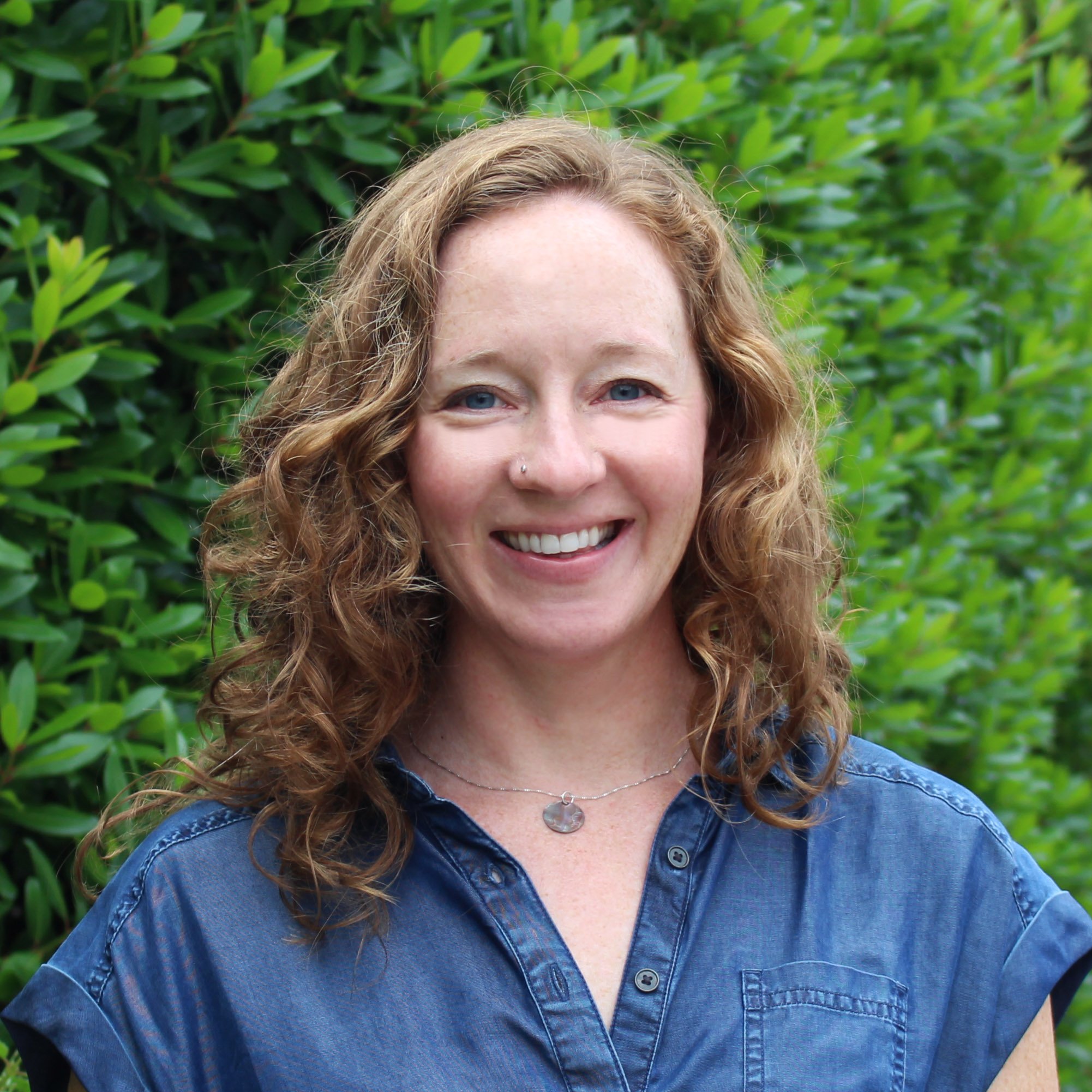
Hannah Freeman Put HR Software in the Strawberry Field
After 14 years listening to growers and farmworkers, Hannah Freeman saw a workplace-software market hiding in plain sight. Ganaz is her attempt to make the business of feeding people work better for the people doing it.
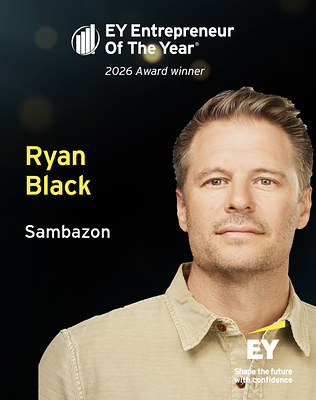
Ryan Black Bet 26 Years on a Berry America Couldn’t Pronounce
A surf trip supplied the idea. A phone book, a credit card and years of unglamorous supply-chain work made it travel.
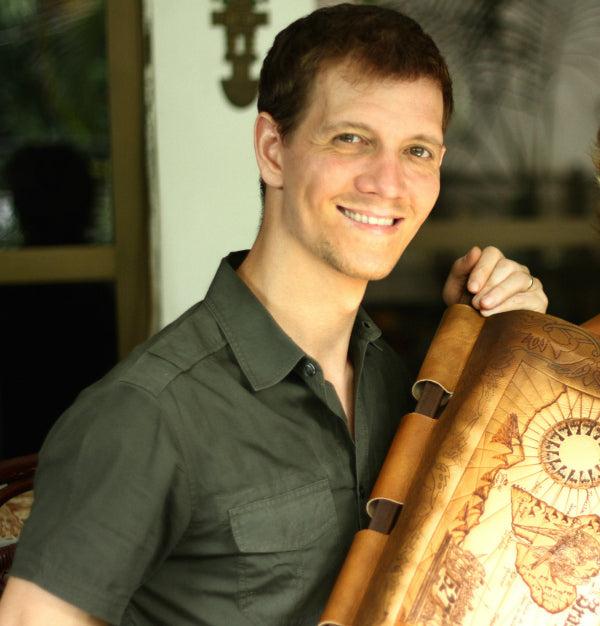
Roberto Milk Built a Marketplace Where the Maker Keeps the Story
A Stanford dorm-room idea became a global experiment in fairer commerce. Roberto Milk’s enduring insight was simple: let artisans set the price, sign the work and remain visible in the sale.
Novica Built the Handmade Marketplace Etsy Couldn't: With Warehouses, Microloans and 27 Years of Patience
The Santa Monica company spent decades doing the expensive, unglamorous work that online marketplaces usually push onto sellers. Its lesson is not simply to cut out the middleman - it is to replace the useful parts of the middleman without swallowing the maker's margin.
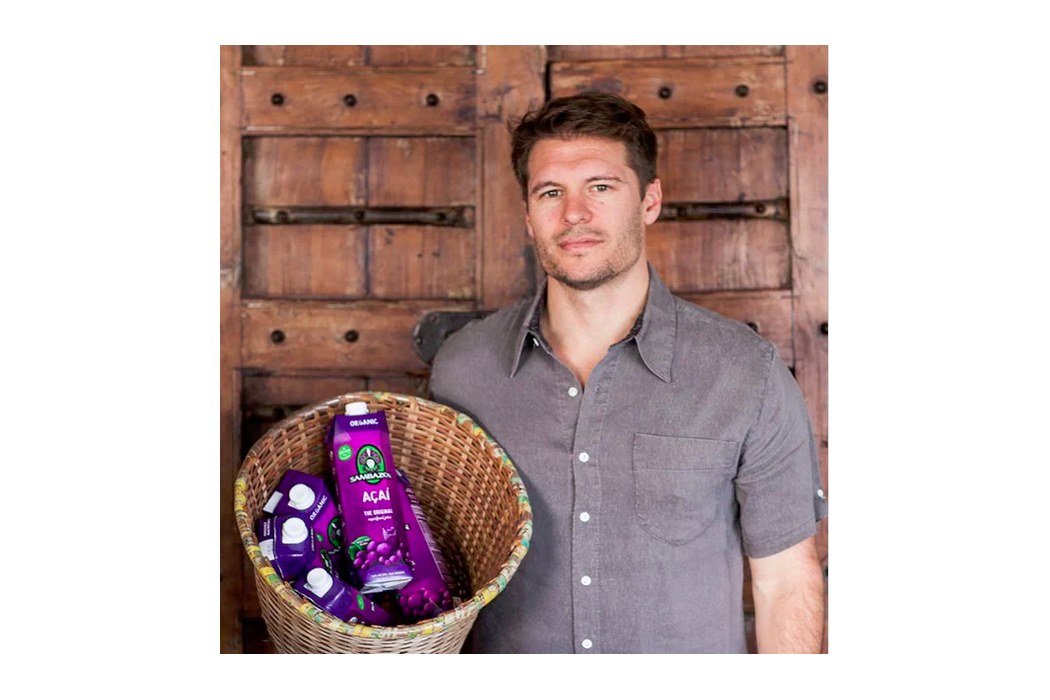
SAMBAZON Bet $50,000 on a Berry America Couldn't Pronounce - Then Built the Category Around It
The frozen pulp was perishable, the name was unfamiliar, and the first bottled drinks stumbled. SAMBAZON survived by making açaí useful before trying to make it famous - and by turning supply-chain control into the brand.

In 1998, Three Engineers Bet the World Wanted India's Gods Delivered
Long before Amazon reached India, three brothers in Delhi were mailing hand-cast bronzes and out-of-print Sanskrit texts to strangers overseas. Twenty-five years on, Exotic India still pays its 10,000 artisans upfront - and ships to roughly 160 countries.
The Yellow Can Is Now Yerba Madre - and the Name Change Is the Least Interesting Part
After nearly three decades as Guayakí, America's dominant yerba mate brand changed the label, kept the yellow can and made its real product easier to see: a market for the forest left standing.
The Soap Bottle That Thinks It’s a Constitution
Dr. Bronner’s built a $209.8 million business around concentrated soap, crowded labels and a stubborn idea: the values should be inside the operating model, not parked in an ad campaign.
Frontier Co-op
A two-person spice operation that began in an Iowa river cabin now links tens of thousands of member-owners to growers around the world. Its real product is not only what sits in the jar - it is a supply chain designed to keep quality, livelihoods and accountability in the same conversation.

Emily Stone
Emily Stone is the founder and CEO of Uncommon Cacao, the first specialty cacao trader to publish verifiable prices for every transaction along its supply chain. From a base that started in the jungles of Belize and Guatemala, she built a Transparent Trade model that sources from more than 10,000 smallholder farmers across 15+ countries and supplies hundreds of craft chocolate makers worldwide. An Ashoka Fellow and Georgetown-trained sociologist, she is trying to decommoditize cacao by making farmers the protagonists of the chain rather than its afterthought.

Uncommon Cacao
Uncommon Cacao is a specialty cacao trader that buys high-quality beans from thousands of smallholder farmers and sells them to premium and craft chocolate makers worldwide. Its signature move is radical openness: it publishes a public Transparency Report disclosing the prices paid at every step of the supply chain, and remains the only international cacao trader to do so. Founded by Emily Stone and built on the back of its Belize export operation Maya Mountain Cacao, the company is a certified B Corp and Public Benefit Corporation working to decommoditize cacao and pay farmers more.