executive-communications
(33)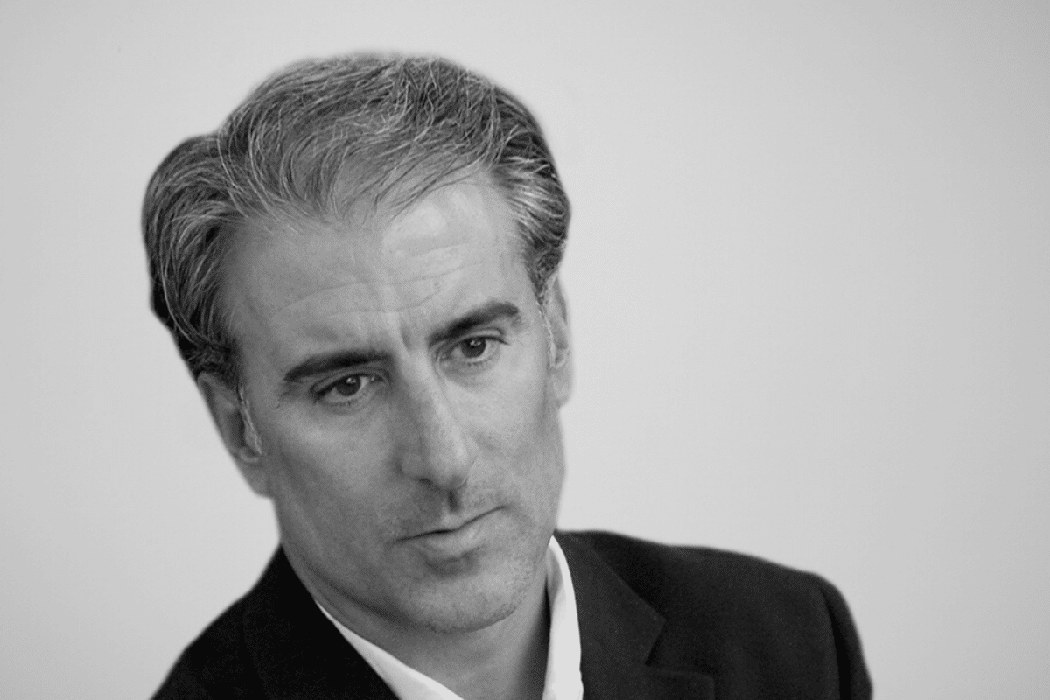
Dean Trevelino and the distance a reputation travels
Dean Trevelino left the global agency circuit to build a firm with Genna Keller. Two decades later, the ultrarunner is still testing how far a reputation can travel - from a restaurant launch to an AI-generated answer.

Amber Roberts knows the story starts before the headline
At Vested, Amber Roberts has built a career around the moments a press release cannot settle. Her work follows the people, decisions and preparation behind financial reputations.

Laura Tomasetti and the long way around
She put her own name on a PR agency in 2001, then replaced it with an idea: 360. Twenty-five years later, Laura Tomasetti is still following the story beyond the obvious place to look.

Lisa Colella Learned to Make the Invisible Visible
Before leaders can move a company, they have to make meaning. Lisa Colella has spent two decades turning overlooked signals - candidate experiences, repeated conversations, the order of a meeting - into strategy people can actually follow.

The Design Firm That Learned to Sell the Invisible
Savage Brands began with a woman who refused to be paid like a secretary, survived a technology bet that did not, and became a second-generation experiment in making corporate belief useful.
The Firm You Call When the Sentence Cannot Be Wrong
Kekst CNC sells something hard to put on a rate card: judgment when a company has one chance to explain itself. Its history begins with an accidental niche, a client the founder refused to defend, and a merger two decades in the making.

The 45-Minute Interview That Wants to Beat the Content Machine
The Expert Press has built a production line for turning one good conversation into earned authority. Its bet is that, in an internet flooded with instant copy, the scarce ingredient is still a person with something specific to say.

The Speechwriters Who Gave the Company to Their Colleagues
West Wing Writers built a business by putting powerful words in other people’s mouths. Then it made a more revealing statement: the founders handed ownership to the people doing the work.
The Agency That Lost 70 Percent - and Came Back Bigger
Hunt & Gather survived a two-week collapse by betting that public relations should produce something people can see, enter, taste, or repeat. Its best work turns a business problem into a scene worth retelling.

The Tiny Firm Built for the Moment Before a CEO Speaks
Scale sells something executives rarely admit they need: a second mind in the room when every sentence carries consequences. Its founders learned the trade in politics, professional tennis, Fortune 500 boardrooms and one of corporate history's loudest failed IPOs.
Eight Clients Walked Out the Door With Him
Laurel Strategies started with no staff, no infrastructure and eight CEOs willing to follow its founder. A decade later, that origin still explains the product: judgment, access and attention when the script has stopped working.
The Firm You Call on Sunday Night
One Strategy Group bet that CEOs no longer wanted an agency pyramid between the problem and the person solving it. Four years, three acquisitions and one global network later, the bet has become a business model.

The CEO Has a Voice. The KA Consulting Group Built the Room Around It.
A small global agency has made a business out of a modern executive problem: the people with the most authority often have the least time to sound like themselves in public.

The Agency That Put the Story Before the Slide
Chainsaw Communications has spent more than a decade attacking a peculiar corporate problem: important work made forgettable by the way it is explained. Its remedy begins before anyone opens PowerPoint.

The Message Inside the House
Most agencies help a company talk to the market. Full Tilt starts with the harder question: does the company sound believable to the people already inside it?

ARA Quietly Repairs the Internet's Memory
The web never forgets, but it often remembers badly. Ashley Rust built ARA to make a person's scattered search results, profiles and press tell one coherent story.

The PR Agency That Starts With the Audience, Not the Announcement
SutherlandGold has spent more than two decades making complicated companies legible. Its trick is simple to say and hard to execute: begin with the people who need to care, then build the story backward.

Signal Is the PR Firm Hiding in Plain Sight
Its website says almost nothing. Its clients are announcing AI marketplaces, brain-computer interfaces and nine-figure funding rounds. Signal has built a communications business by making everyone else the story.

NINICO knows who needs to hear the story
A county briefing, a construction-site tour, a conversation with an editor: NINICO’s work reveals how much public relations happens before the headline.

Wise Whisper’s $30,000 bet on a talk that outlives the room
Ashley Stahl built Wise Whisper Agency around the long afterlife of a good speech. Its offer combines writing, coaching and stage-booking support, with a much less predictable clock for getting heard.

Aircover Communications and the art of making complicated companies matter
A former journalist built a PR firm around a deceptively hard job: giving people a reason to care. Its work with AI companies puts that idea to a demanding test.
DuckPunk wants to fix your story before you film it
Mellissa Tong built DuckPunk making films and commercials. Now she asks a question that belongs in the meeting before the shoot: can the organization live up to its own script?
At mPR, experience answers the phone
Maggie Habib built a PR agency around senior practitioners. Its work runs from healthcare IPO communications to the quieter business of keeping a community informed.

Husted Communications and the people behind the person at the microphone
A boutique agency with a network of more than 100 communications specialists, Husted helps technology leaders turn company strategy into something people can actually follow.

9-Figure Media puts a price on being known
The Laguna Beach PR agency sells a way into the conversation. Its move into equity-based engagements makes the price of publicity more interesting than a monthly invoice.

JJS Consulting Group and the hidden work behind “just an email”
A company announcement looks simple from the inbox. JJS Consulting Group sells the planning, writing and follow-through that happen before anyone clicks Send.

Raji Behniwal Wants Marketing to Grow Up - and Keep Its Taste
After two decades spent translating new technology into stories people can trust, the former Datassential CMO is building a sharper model for executive marketing - one where judgment matters more than volume.

Cameron Brain Bet the Company on Your Most Underrated Media Channel
Before employee advocacy had a tidy category name, Cameron Brain was learning the awkward, useful truth behind it: companies have audiences, but people have relationships.

Carrie Ruddy Sells the Climate Story One True Sentence at a Time
How a former bank communicator turned a maker of air conditioners into one of the more convincing climate stories in industrial America - and why she insists credibility is the only currency that matters.

Kristen Prestano Is Teaching Health Insurance to Talk Like a Person
How a communications lifer became the marketing chief at one of health insurance's most watched companies, and why she keeps betting that clear beats clever.