ehs-software
(10)
The Safety Fix Hidden in a Phone Video
TuMeke turns footage of ordinary work into ergonomic risk scores, coaching, and a case for changing the job. The revealing part is what happens after the score appears.
HSI Turned the Safety Binder Into a Feedback Loop - and 22,000 Customers Bought In
The company began with emergency-care instruction. Nearly five decades and a long acquisition campaign later, it sells a connected operating system for the unglamorous, consequential work of keeping people safe.

The Safety Software Bet: VelocityEHS Wants 10 Million Workers to Report the Thing That Almost Happened
The Chicago software company spent three decades assembling the unglamorous machinery of workplace safety. Its next wager is that better reporting - plus tightly supervised AI - can spot danger before a near miss becomes a headline.
KPA Spent 40 Years Expanding. Then It Put the Whole Company Back in the Dealership.
The compliance company built a broad industrial software portfolio, then split it apart. Now KPA is betting that 150 consultants, 400-plus courses, and one dealer-specific dashboard beat a generic safety platform.

Voxel Turned the Security Camera Into a Safety Coach
Warehouses already had the cameras. Voxel gave them a second job: spotting the near miss before it becomes an injury - and turning footage into a daily operating habit.

Encamp Turned Environmental Paperwork Into Software - Now It Wants AI to Do the Chasing
The Indianapolis company found a business in the least glamorous corner of enterprise software: chemical inventories, waste manifests and government portals. Its next bet is that compliance teams need a system that acts, not another database that waits.
Sphera
Sphera sells the software behind decisions most people never see: whether a factory job is safe, a chemical is compliant, a supplier is fragile, or a product's carbon claim can survive an audit. Its bet is that those answers become more useful when they live in one system.
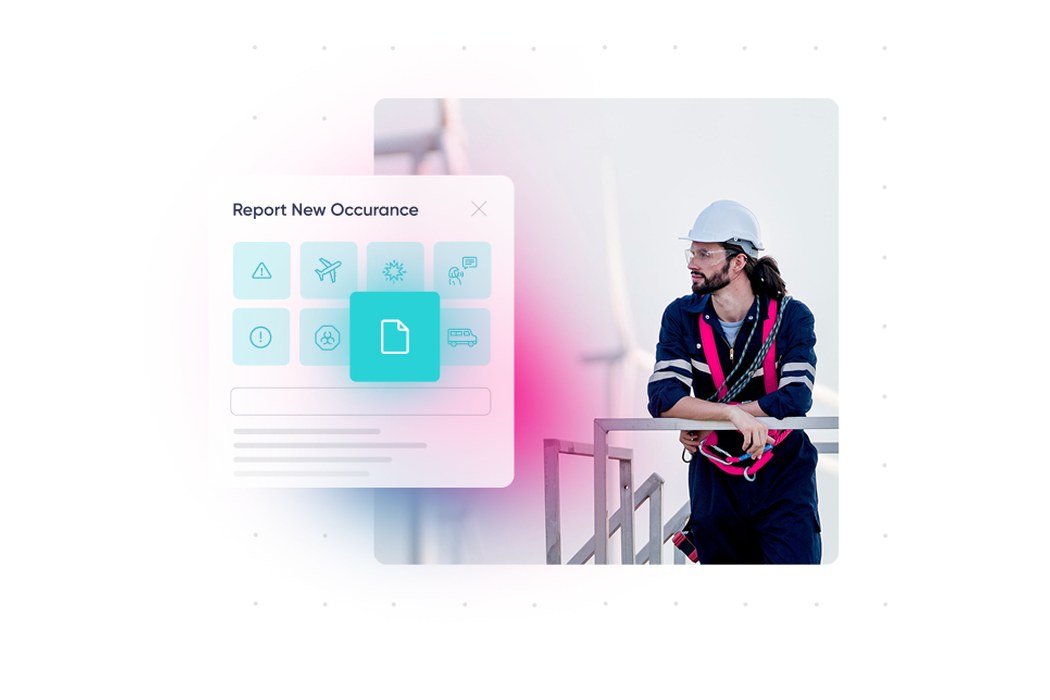
Ideagen EHS
Ideagen EHS is the environmental, health and safety arm of Ideagen, a UK-headquartered governance, risk and compliance software company. Built on technology that includes the acquired DevonWay platform, Ideagen EHS gives manufacturers, energy and nuclear operators, aviation, maritime and government organisations one place to run incident reporting, risk assessment, audits and inspections, environmental compliance, occupational health and industrial hygiene. It layers AI over that data to draft investigations, map regulations and surface risk, aiming to move regulated, high-consequence workplaces from disconnected spreadsheets to continuous, audit-ready compliance.
Locus Technologies
Locus Technologies is a Silicon Valley software company that pioneered cloud-based environmental, health & safety (EHS), ESG, and water management software. Founded in 1997 by Dr. Neno Duplan, Locus deployed what it describes as the first commercial Software-as-a-Service product for environmental information management in 1999. Today its multi-tenant platform runs a suite of 30+ configurable apps that help regulated enterprises and water utilities manage air, water, waste, energy, emissions, and compliance data - reportedly more than half a billion environmental records - from a single system of record.

Mapistry
Mapistry is a Berkeley-founded B2B software company that helps industrial facilities manage environmental compliance for air, stormwater, wastewater, SPCC, and waste requirements. Its platform replaces spreadsheets and paper binders with automated data collection, mobile inspections, a compliance calendar, site-map building, and real-time analytics - plus an AI feature, Maple, that takes routine data entry off environmental managers' plates. Started by Allie and Ryan Janoch, the company pairs its software with hands-on environmental expertise and serves 2,000+ facilities across dozens of manufacturers.