education-philanthropy
(15)
Jonathan Jones and the business of staying
His family built a business around Mississippi hardwood. Jonathan Jones has widened the portfolio - and is putting money into the classrooms and workplaces that give the next generation a reason to stay.

Scott Riley Found a Second Business Inside the First
Fintech paid the bills. Scott Riley saw what the bills could tell him - and found students who could help. His next investment was in the people coming after him.
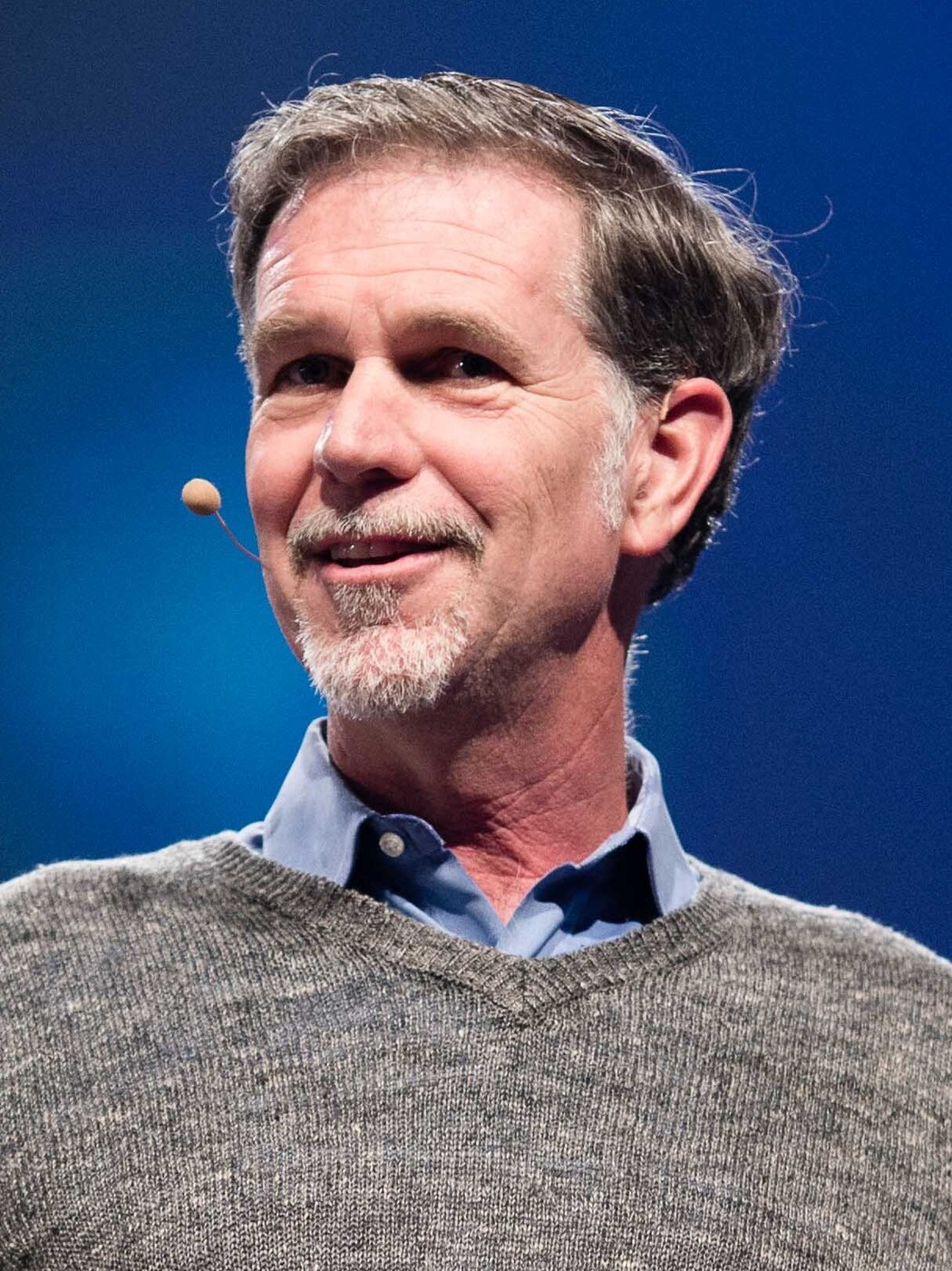
Reed Hastings and the trouble with getting good at something
Netflix taught Reed Hastings how success can harden into habit. His next chapter runs through classrooms, artificial intelligence and a Utah mountain, with the same awkward question: when should the rules change?
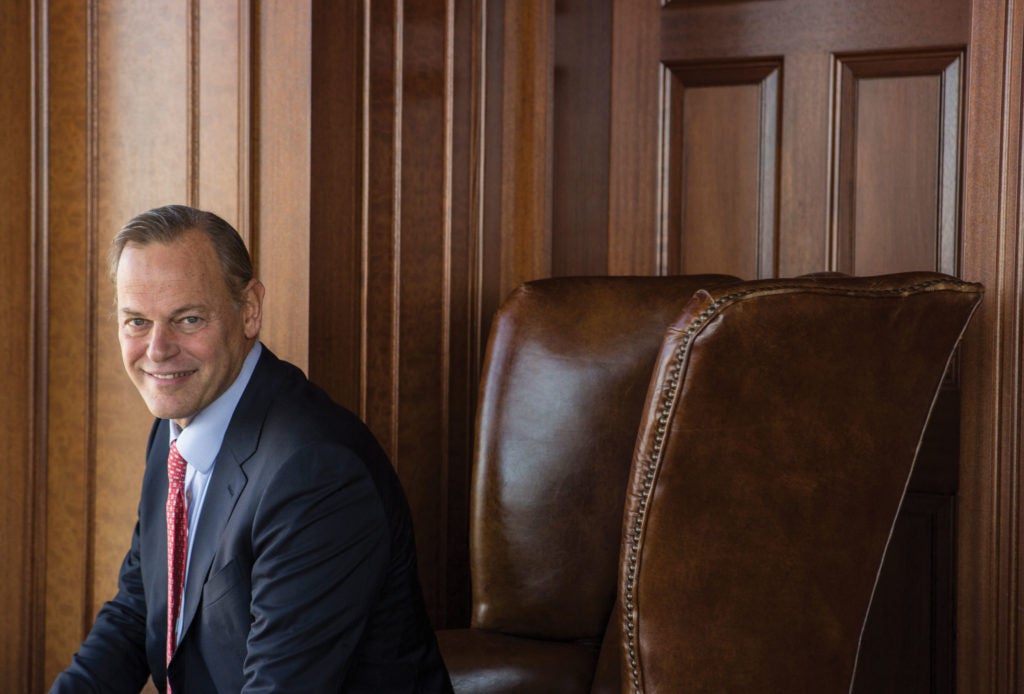
Steven Klinsky and the price of a year
He finished Michigan in two and a quarter years. Decades later, the New Mountain Capital founder began asking why everyone else should have to pay for four.
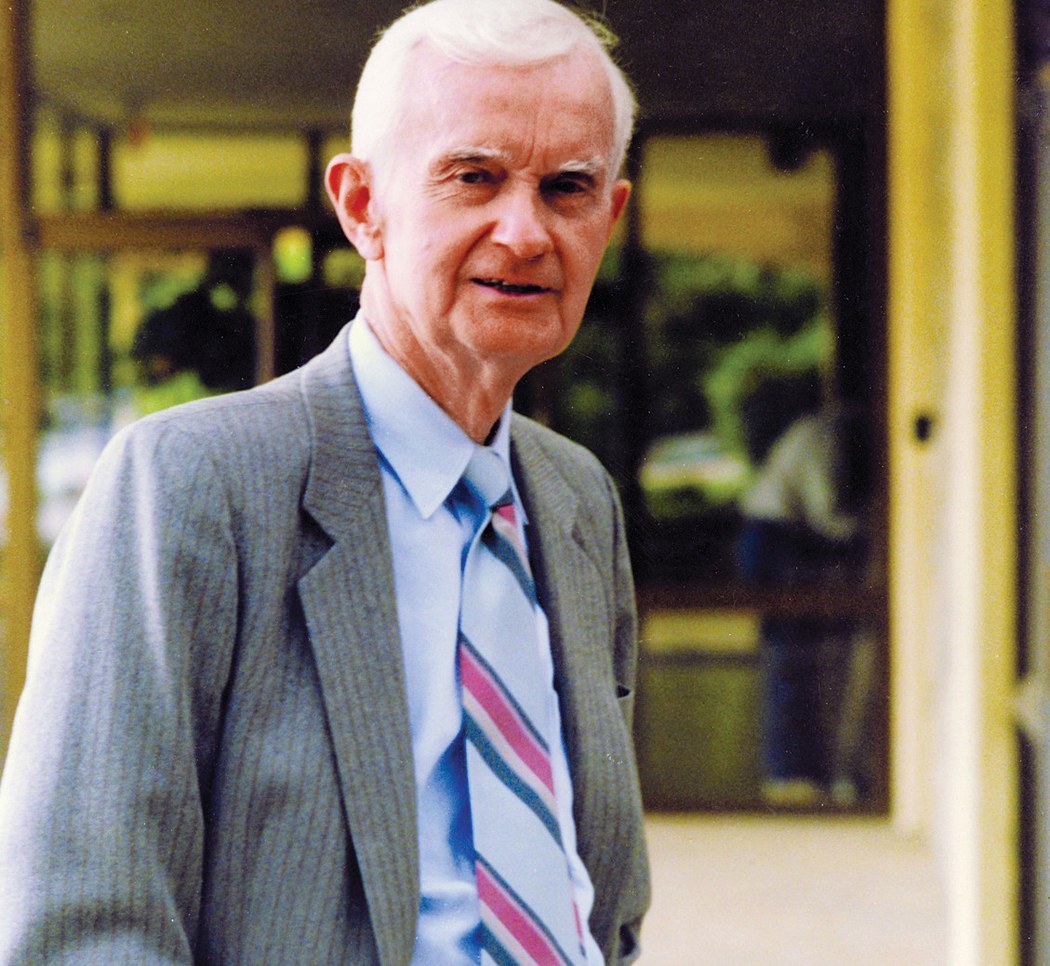
Stewart W. Bainum Sr. and the price of staying in school
He arrived in Washington with $3 and a cardboard suitcase. Stewart W. Bainum Sr. helped build the business that became Choice Hotels, then spent decades helping students cross the financial barrier he remembered from his own classroom.

Sidney Lu and the education of a connector
He left Taiwan for Illinois, built a career in the parts that connect electronics, and returned to help rebuild the place that taught him. Sidney Lu’s story runs through factories, classrooms and a debt to his mother.

Rajeev Amara and the value of things that have to work
From elevator maintenance to aerospace components, Rajeev Amara has built Arcline around businesses with a practical job to do. His support for educators reveals another interest in institutions whose usefulness grows through other people.
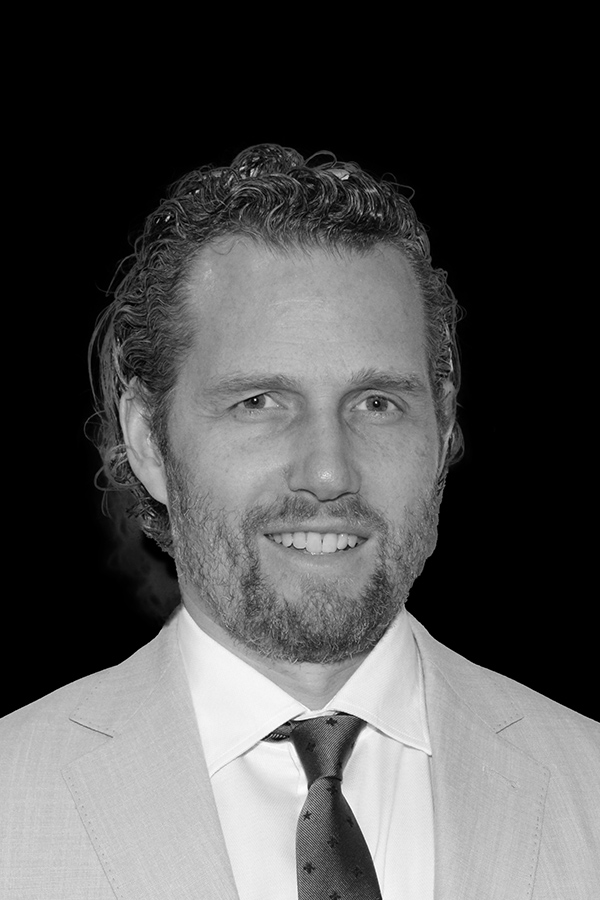
François-Charles Sirois and the cost of playing it safe
A crêpe dispute in Los Angeles offers a glimpse of the Telesystem chief’s appetite for a challenge. From Montreal’s music business to a gaming venture run from Madrid, François-Charles Sirois keeps putting his ideas about risk to work.

Larry Gies and the problem with goodbye
He built Madison by buying businesses, then changed course when selling them began to feel like a loss. From a borrowed $50,000 to a business school bearing his name, Larry Gies keeps returning to one question: what will last?

Fernando De Leon and the education of an owner
Before he founded Leon Capital Group, Fernando De Leon crossed the border for school and traded translation fees for a stake in the future. His career keeps returning to the same question: who gets to own what comes next?
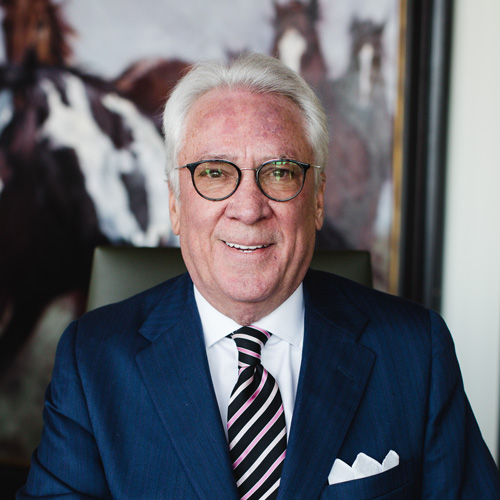
Blair Richardson and the geography of patience
After a career spanning New York, Tokyo and Hong Kong, Blair Richardson built Bow River Capital in Denver. His story connects a regional investment thesis with a long-running interest in what people can do when they get a start.

Dell Murphy and the business of staying
After the family hog business was sold, Dell Murphy built a management company for what came next. In Wallace, North Carolina, that work now connects farms, boats, hospitality and another generation of Murphys.

LEMNIS buys education companies. Then it changes the rules.
Born from the sale of NWEA’s assets, this Oregon public charity is assembling coaches, AI and classroom curriculum under one roof. Its wager: good education needs a longer financial clock.

Diane Trister Dodge
In this Early Learning Nation Studio conversation, Chris Riback interviews Diane Trister Dodge, the founder of Teaching Strategies and one of the most influential figures in American early childhood education. Dodge traces her path from wanting simply 'to become the best teacher possible' to accidentally becoming a publisher: she trained Head Start teachers in 1966 Mississippi, made her own materials on a mimeograph machine, and self-published a filmstrip about classroom arrangement when no publisher would take it. That first effort grew into The Creative Curriculum and the Teaching Strategies GOLD assessment system, tools that shaped early learning nationwide. She reflects on what high-quality classrooms look like, the persistent inequities facing at-risk children and early childhood teachers, and her current work giving back through the Dodge Family Fund.
Room to Read
Room to Read is a global nonprofit working to create a world free from illiteracy and gender inequality. Founded in 2000 after a Microsoft executive's trek through Nepal, it partners with communities and governments to build foundational literacy in early grades and to support girls through secondary school with life-skills and mentorship. As of 2024 it reports reaching more than 50 million children across 28 countries.