delegation
(8)
Sergii Tymchuk and the trouble with being indispensable
He started with sunflower oil and village internet connections. Building Computools taught Sergii Tymchuk a harder skill: letting other people get on with the work.
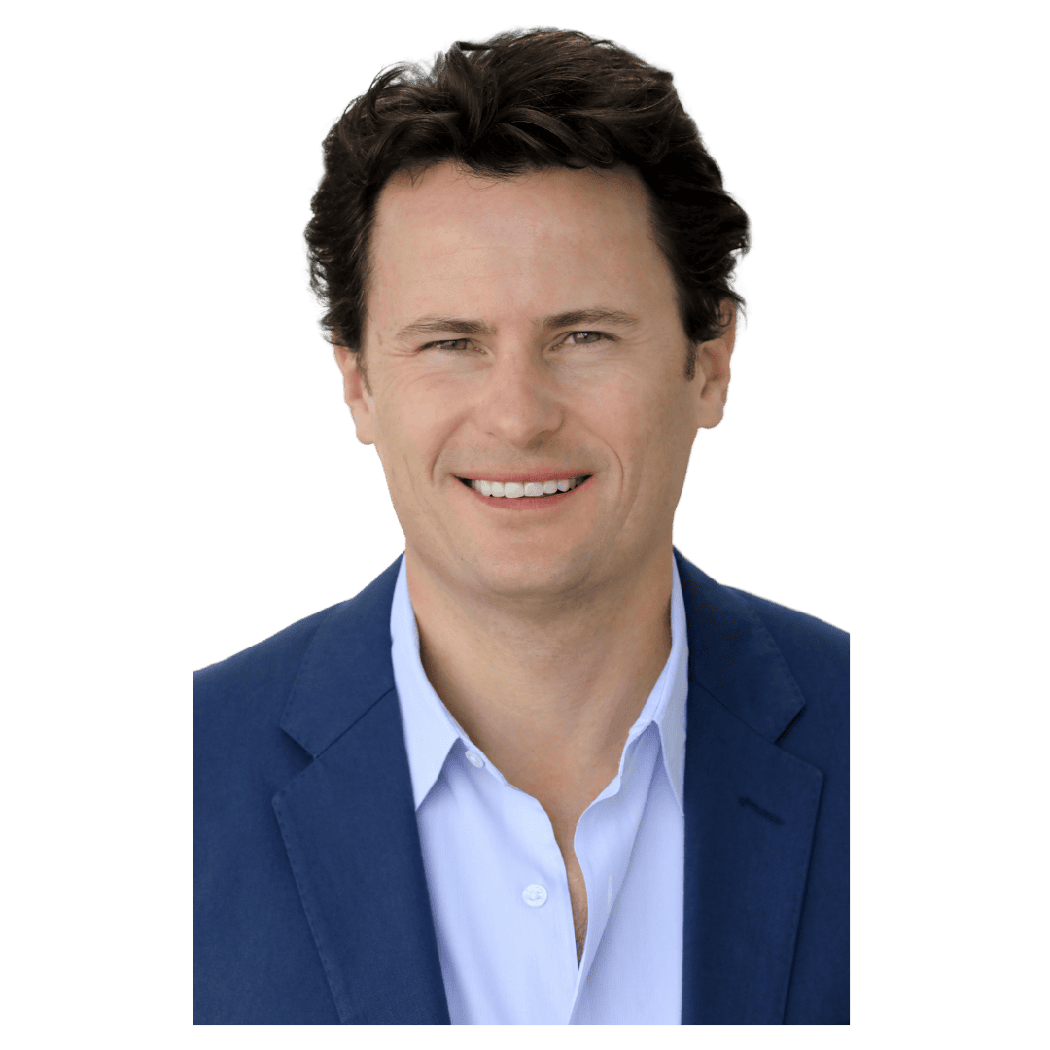
Braden Yuill and the business of getting out of the way
He built Virtual Coworker to help founders hand work to someone else. Then Braden Yuill had to learn how to do it himself.
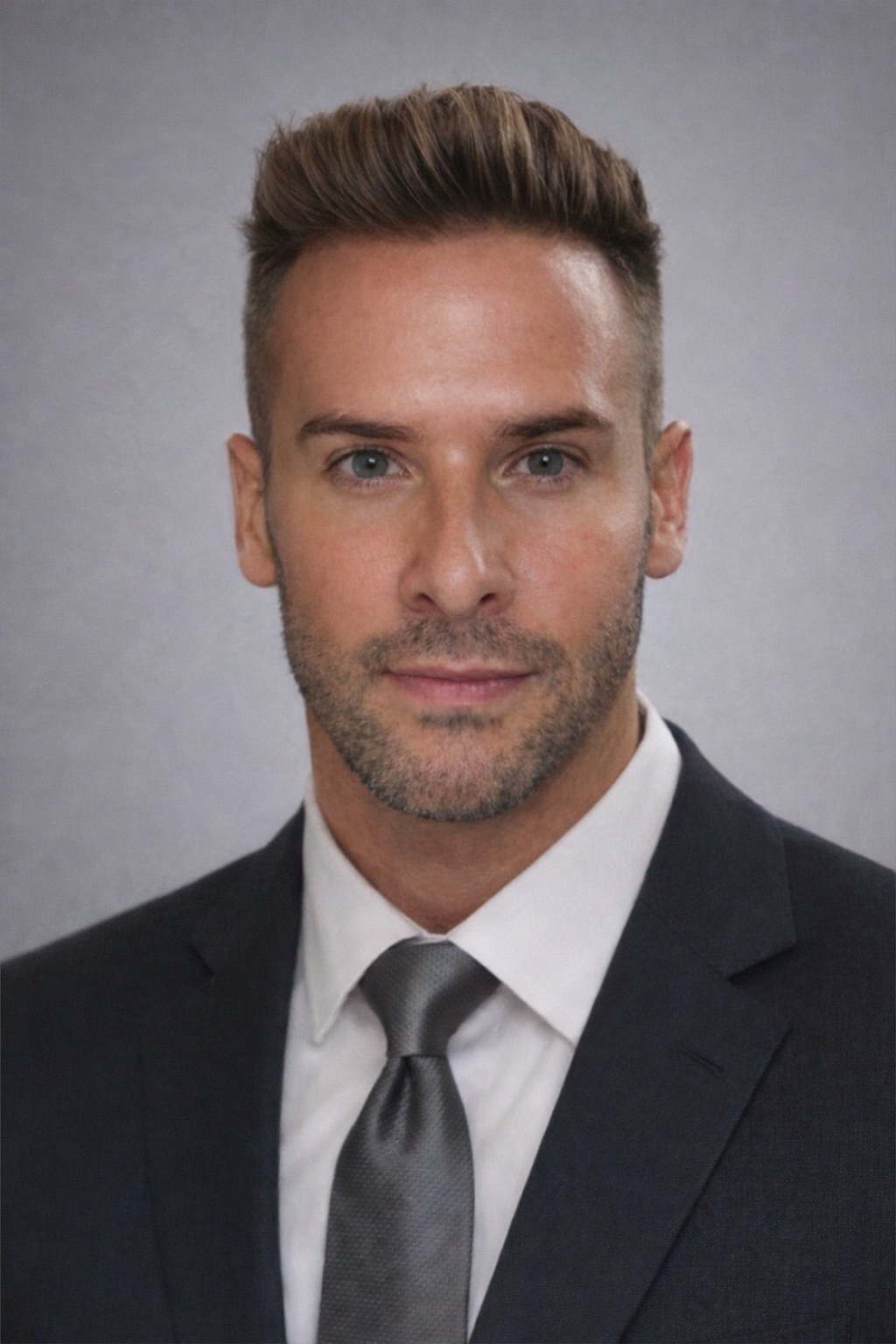
Michael Ciullo and the Trouble With Doing Everything
He learned to win customers in software sales. Building companies taught Michael Ciullo a more awkward skill: knowing which work to hand over, and which relationships still need his attention.

Teo Vanyo and the first person he trusted with the work
Before Stealth Agents, there was Lucy, a stack of customer blogs, and more work than one founder could finish. Teo Vanyo has spent the years since working out what happens after you ask someone else to help.
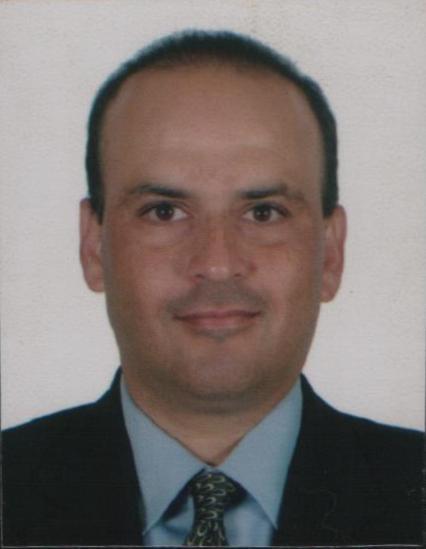
Qasim Habib and the trouble with being indispensable
At Quality Punch, Qasim Habib has built a business around other people’s specialist skills. His own account of leadership keeps returning to a harder skill: knowing when to let them work.

Randy Boldyga’s long lesson in letting go
He built RXNT to keep control of his working life. Growing it meant learning how much responsibility he could give away.

Mike Chen Built for Orbit. Then a Text Message Changed the Flight Plan
Before Magic became a global assistant company, it was a phone number, a chicken-fried-rice request and a weekend that got wildly out of hand. Its CEO has spent his career making distance feel less expensive - first in orbit, then at work.
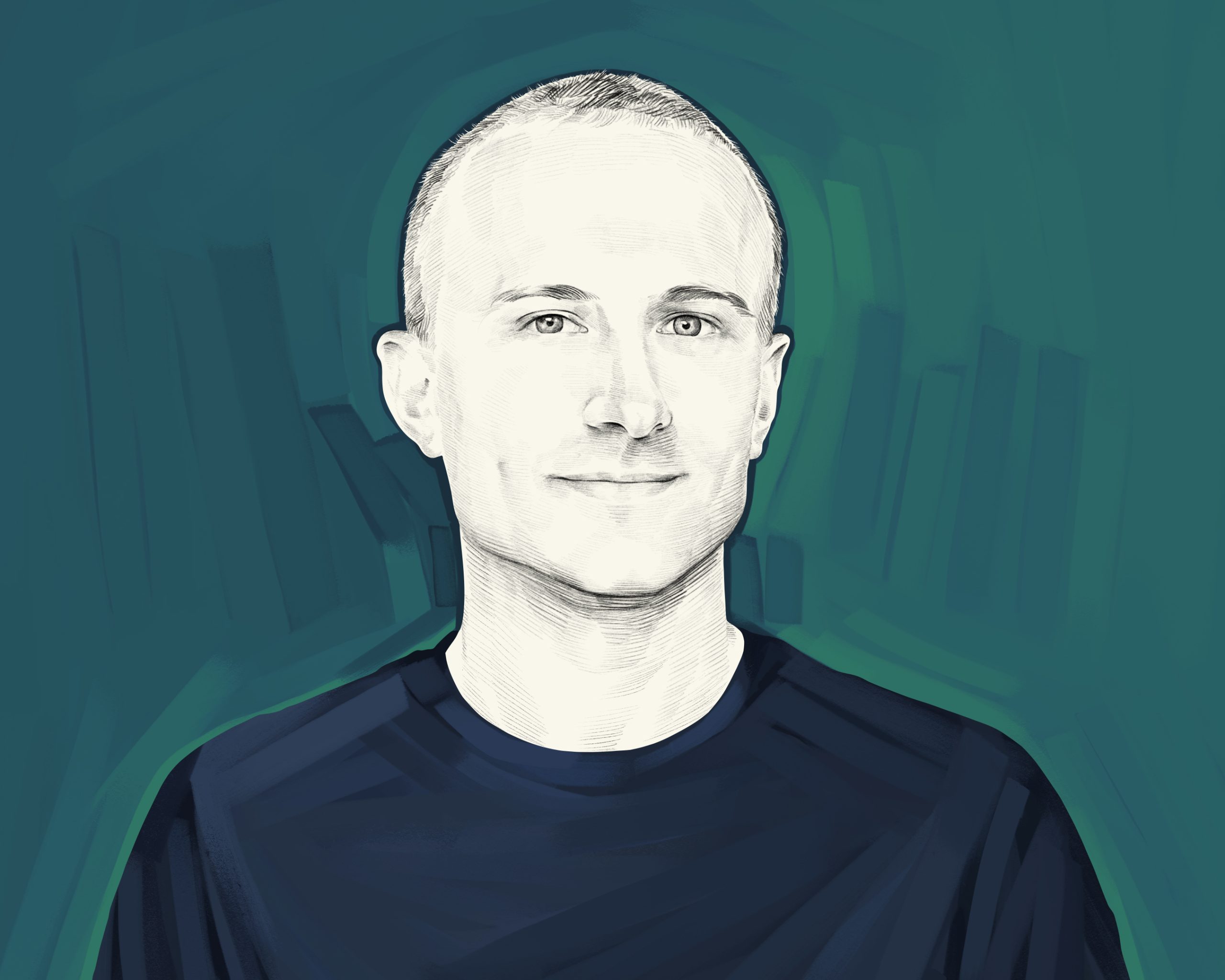
Sam Corcos
Sam Corcos is a four-time founder and the co-founder and former CEO of Levels Health, a $300M metabolic health company that pairs continuous glucose monitors with a software layer to help people understand how food affects their blood sugar. He co-founded CarDash (Y Combinator S17, acquired 2020), Sightline Maps, and LearnPhoenix before building Levels into a category-defining health company with $67M raised from a16z and a community of 1,400+ member-investors. In 2025, he joined the Department of Government Efficiency (DOGE) and was appointed U.S. Treasury Chief Information Officer. He is also known for extreme minimalism (one pair of pants, one backpack), tracking time in 15-minute increments, and hosting 100+ intellectual salon dinners in New York and San Francisco.