data-storage
(11)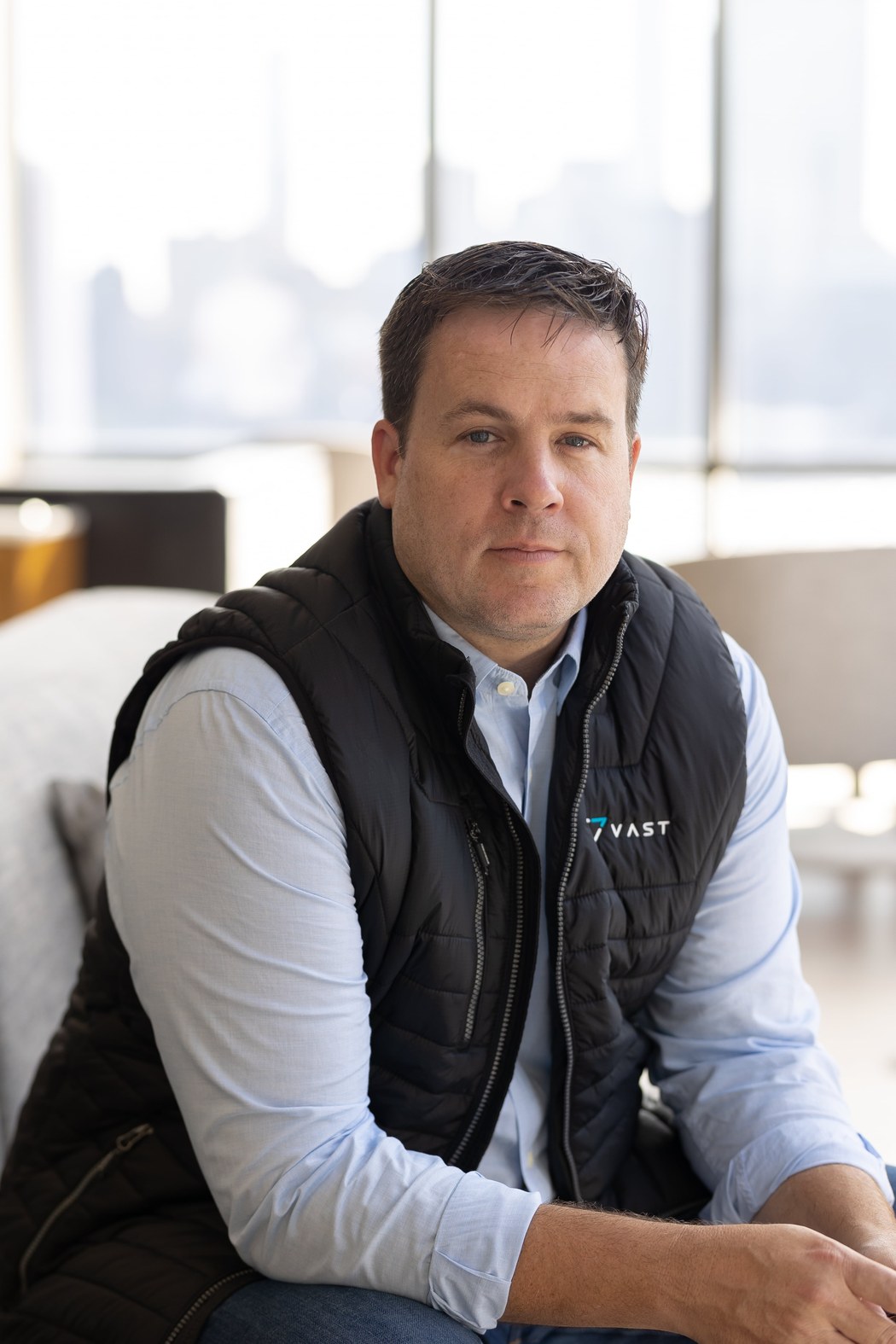
Jeff Denworth Spent Twenty Years Learning How to Sell the Invisible
Before VAST Data became a $30 billion company, its lone go-to-market founder spent three years asking hundreds of customers to imagine a machine he could not yet show them. Jeff Denworth’s real product has always been the bridge between difficult architecture and a reason to care.
Alon Horev and the Memory Beneath the Machine
The VAST Data co-founder built his career below the fashionable layers of technology. Now the self-taught engineer is betting that AI's future will be decided by memory, movement and the architecture nobody sees.
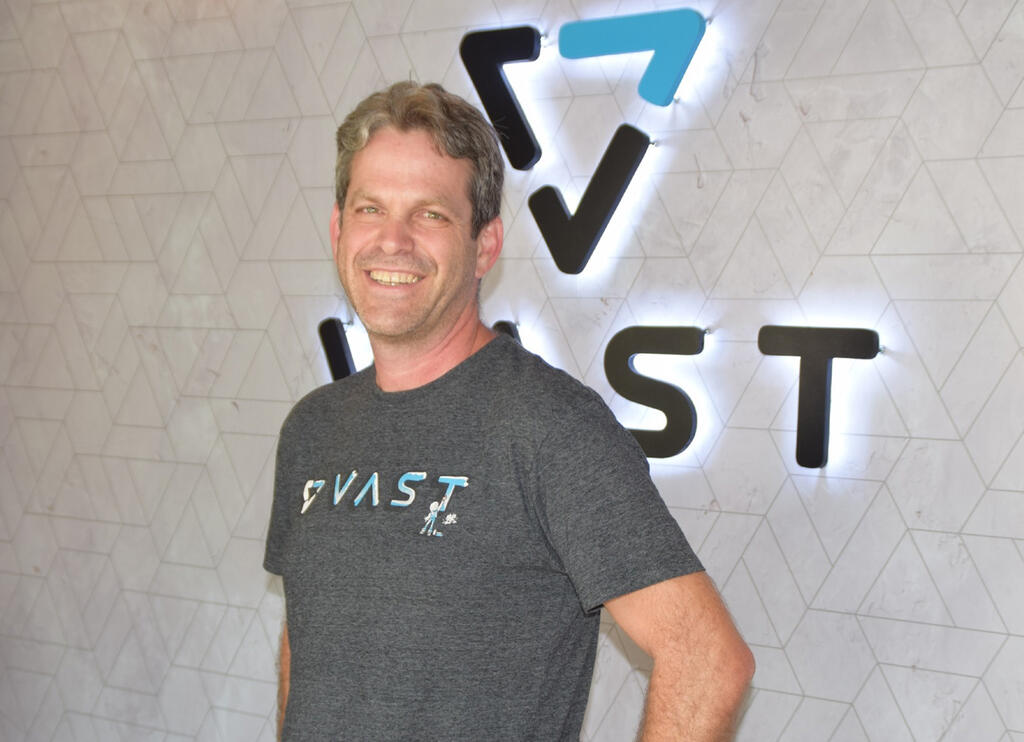
Shachar Fienblit Put the Hardest Part of AI Where Nobody Looks
Long before AI made infrastructure fashionable, Fienblit was studying how data survives failure, scale and human impatience. At VAST Data, those quiet lessons became the architecture beneath a much louder revolution.

Renen Hallak Saw the Bottleneck Before the Boom
A computer scientist who was taught neural networks did not work built VAST Data for the moment they would. Ten years later, his storage company is trying to become the operating system beneath artificial intelligence.

Erik Frieberg’s Long Game: Make the Infrastructure Legible
From Oracle applications to MongoDB communities and MinIO’s exabyte pitch, Erik Frieberg has built a career translating the machinery beneath modern software into reasons for people to care.

Mitch Seigle Is Making the Case for Tape in an AI-Hungry World
After four decades marketing storage, Mitch Seigle has found his sharpest argument in an old medium: when data becomes permanent, the future may depend on knowing what can safely go offline.

B. Scott Davis and the Long Memory of Technology
He joined Western Digital when storage was measured in megabytes. Thirty-eight years later, B. Scott Davis is selling the overlooked layer of the AI economy: somewhere for all that intelligence to live.

Björn Kolbeck Built for the Moment the Hardware Fails
A childhood programmer turned distributed-systems researcher learned at Google that small teams could run immense infrastructure. Quobyte is his decade-long attempt to bring that operating model to everyone else.

Gal Naor
Gal Naor is the co-founder and CEO of StorONE, a New York based enterprise storage company built on the idea that software, not more hardware, is the real bottleneck in data storage. He first made his mark in 2004 as co-founder of Storwize, which pioneered real-time enterprise storage compression and was acquired by IBM in 2010 for $140 million. Naor spent roughly six years and dozens of patents building StorONE's unified S1 storage engine, which provisions block, file and object storage from the same commodity drives at a fraction of legacy cost. He is known for a contrarian, efficiency-first philosophy and for steering StorONE to cash-flow positivity with an eye toward an eventual IPO.

Thomas Isakovich
Thomas Isakovich is the founder and CEO of Nimbus Data, the flash-storage company behind the ExaDrive DC100 - the 100-terabyte solid state drive that, years after its 2018 debut, still has no equal in capacity. He built and sold his first storage system as a teenager, launched TrueSAN Networks from his Stanford dorm room, watched it collapse in the dot-com bust at age 26, then started over with Nimbus Data and self-funded more than 90% of its growth into a profitable global business spanning 200 customers in 12 countries. He is a rare bird in Silicon Valley: a hardware founder who turned down the venture-capital playbook, kept the company his own, and went back to finish his Stanford degree purely because he missed thinking.
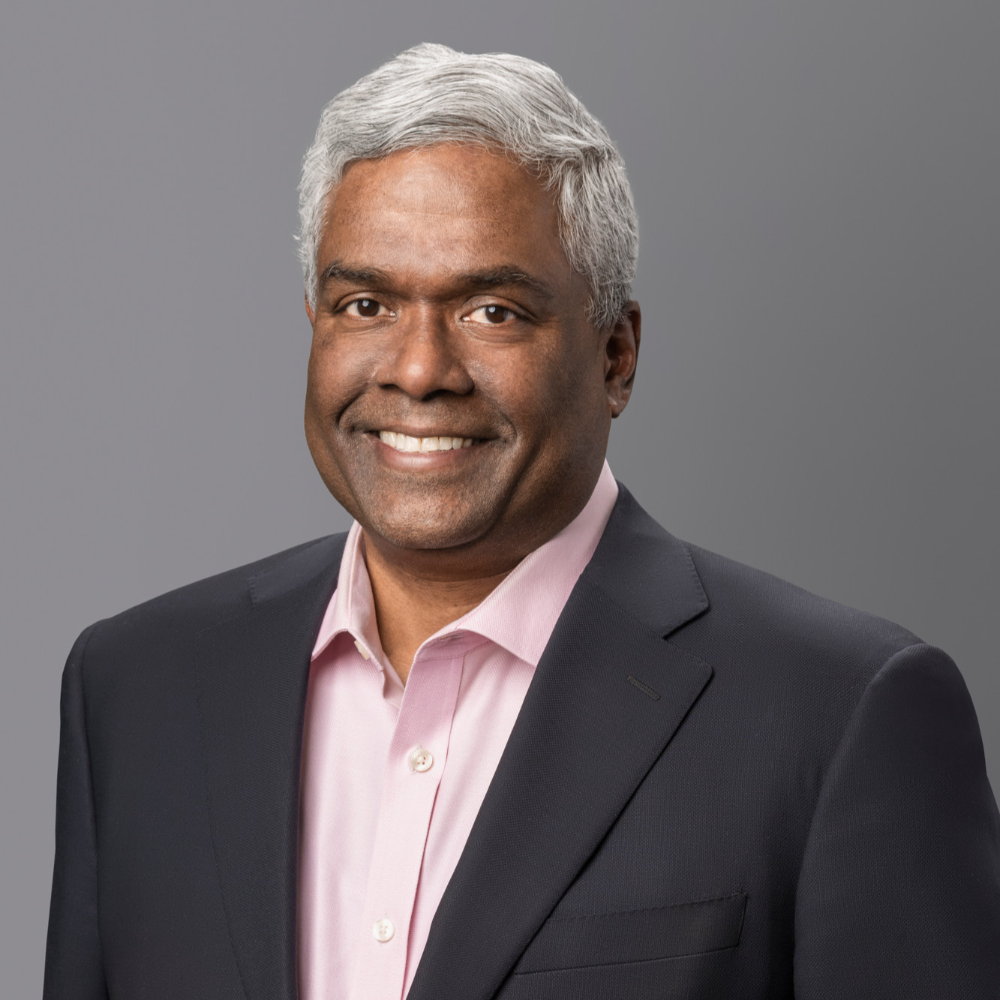
George Kurian
George Kurian is the Chief Executive Officer of NetApp, the $20B+ enterprise data storage and cloud infrastructure company, where he has led a decade-long transformation from legacy storage vendor to AI-ready data platform. Born in Pampady, Kerala, he arrived at Princeton at 17 with a partial scholarship and a twin brother — Thomas Kurian, now CEO of Google Cloud — making them one of the rarest pairs in tech: identical twins who both run major Fortune 500 companies. Under his tenure since 2015, NetApp has posted record revenues of $6.57B in FY2025 and positioned itself as critical backbone for enterprise AI workloads.