crypto-founder
(14)
Sidney Zhang’s Road Back to Crypto Ran Through a Sailboat
He spent his first crypto years building products that vanished almost as quickly as they appeared. After a detour through Uber Eats and Facebook AI, an old friend from Melbourne brought him back to build Magic Eden.
Caleb Banister and the Long Road Between Two Chains
A UNH networking lab brought three friends together. Years of building companies, a poker AI and an awkward NFT transfer eventually gave Caleb Banister and his collaborators a new problem to solve.
Bryan Pellegrino and the Game That Escaped the Table
A poker professional who grew bored of winning turned a broken game transfer into LayerZero. His next wager is on the infrastructure beneath global markets.
Jack Lu and the Art of Starting Over
The Magic Eden co-founder built a marketplace in two weeks, watched it reach a billion-dollar valuation, then faced a harder task: admitting the market had changed.
Ryan Zarick and the Promise That Survived a 3 a.m. Button
A late-night fantasy-sports emergency, a move to Vancouver and a string of technical papers trace the long partnership behind LayerZero. For its CTO, the interesting part has always been the problem that looked too hard.
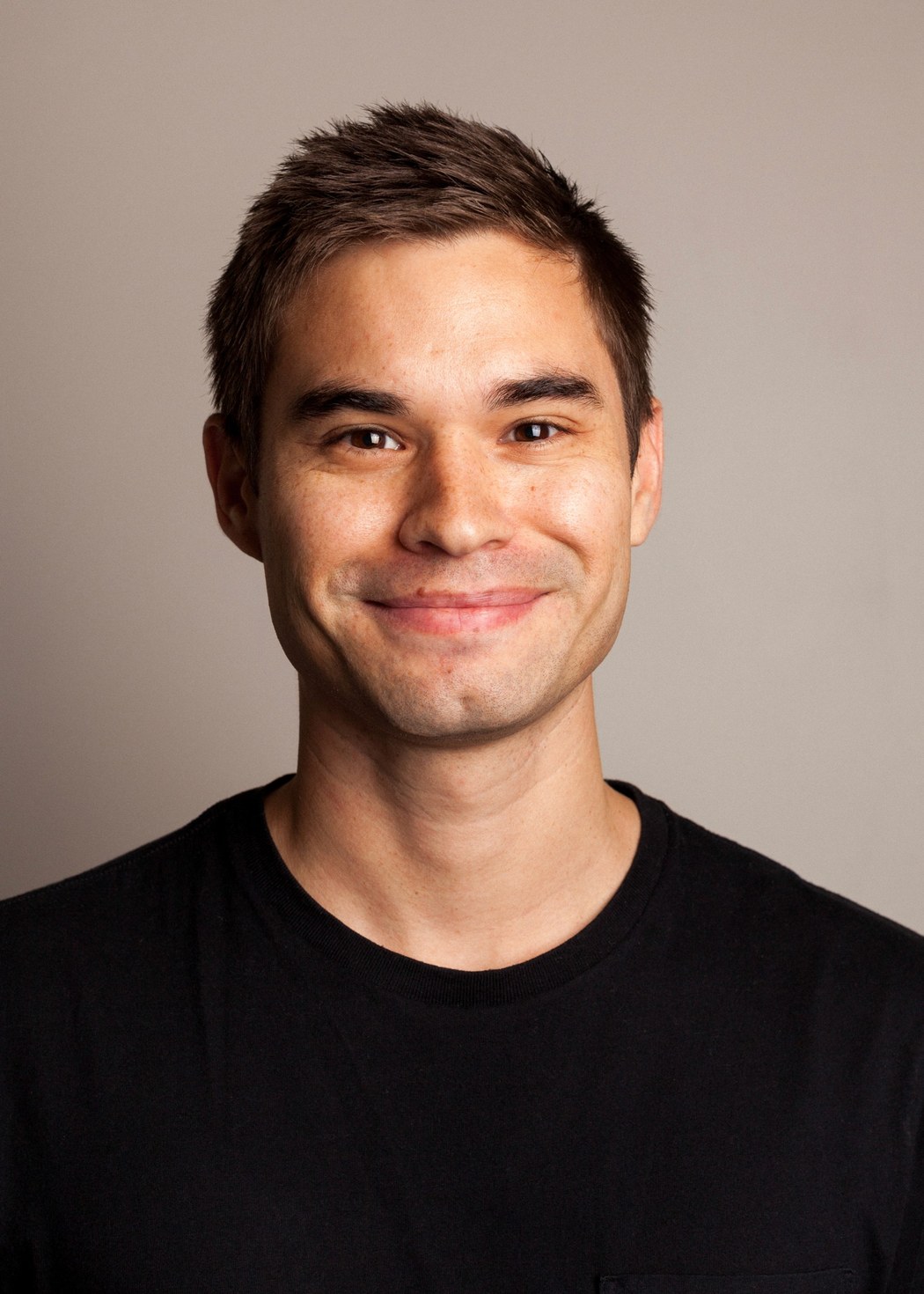
Chris Kalani Took the Long Way Back to the Pixels
A first startup taught the product designer what he did not want from a second. At Phantom, Chris Kalani turned that lesson into a founding team, a clearer job, and a wallet built for people who would rather not admire the machinery.

Devin Finzer and the Art of the Second Market
He built the bazaar for a digital collecting boom, watched the tide reverse, and chose to rebuild the ship while still at sea. OpenSea's second act may reveal more about Devin Finzer than its first.
Matt Luongo Keeps Building the Bitcoin He Was Promised
A pile of unwanted coffee cards led Matt Luongo to Bitcoin. A decade later, the Thesis* founder is still wrestling with the same question: how do you make digital money useful without turning it into another machine for middlemen?
Derek Alia Keeps Building In the Open
From iPhone apps to decentralized markets and agentic science, the San Francisco engineer has followed one stubborn idea: useful systems should invite people in, then get out of their way.
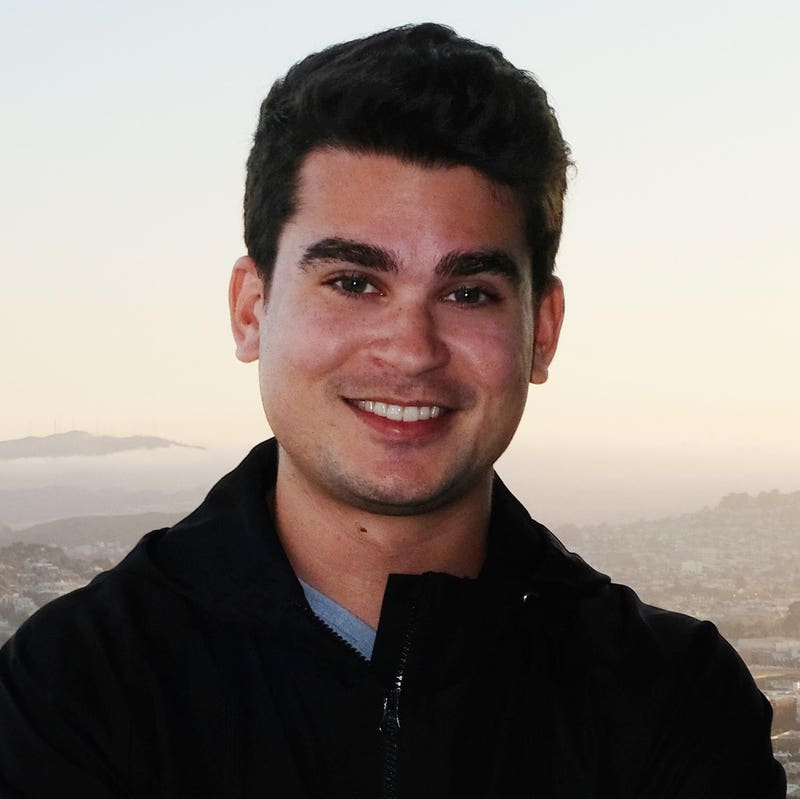
Clinton Bembry’s Second Exit Was Built on Making Crypto Feel Boring
First Astro Wallet sold to Coinbase. Then Slingshot sold to Magic Eden. Across both companies, Clinton Bembry has pursued the same unfashionable idea: crypto works better when users do not have to think about crypto.
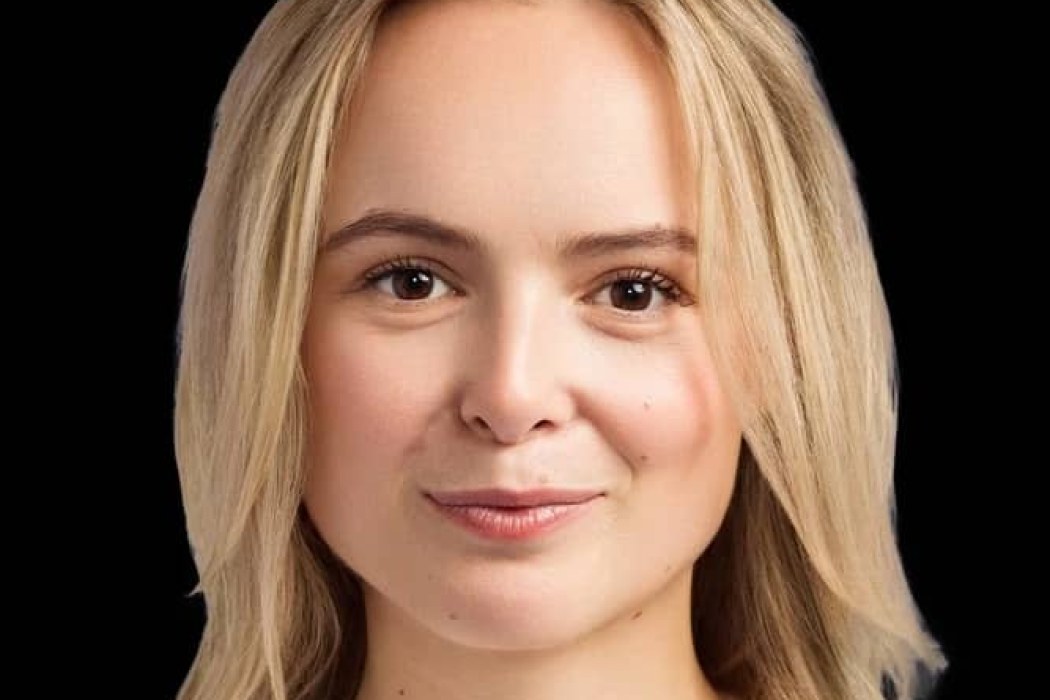
Jelena Djuric
Jelena Djuric is the co-founder and CEO of Noble, a blockchain built for issuing and moving stablecoins natively across the interchain. She started Noble in early 2023 with Stefan Coolican and John Letey after years working across the Cosmos, Dfinity and Celo ecosystems, and after helping found the Canadian Web3 Council. Noble powers native USDC on Cosmos and now connects roughly 50 blockchains, has attracted hundreds of millions of dollars in assets, and raised a $15 million Series A led by Paradigm in late 2024. Djuric's stated ambition is to make stablecoins as easy to send as a Venmo payment.
David Cao
David Cao is the co-founder and self-styled 'Chief Get Shit Done Officer' of N1, a Layer 1 blockchain built for finance that promises ultra-low latency and 100,000+ transactions per second. With co-founders Dima Romanov and Sheheryar Parvaz, he spent years building 01, a fully on-chain Solana derivatives exchange, weathered a two-year crypto winter, pivoted through Layer N, and relaunched the whole effort as N1 in December 2024. Backed by Founders Fund, dao5, Multicoin Capital and Arthur Hayes, the New York-based, Harvard-schooled builder is betting that congestion-free, developer-friendly infrastructure is the missing piece for moving real markets onchain.

Fernando Reyes
Fernando Reyes, known on-chain as FDR, is the founder and CEO of Drosera Network, a decentralized incident response protocol building what he calls an 'immune system' for Ethereum. A former US Army Cyber Protection Brigade operative, he also founded Groom Lake, a Web3 security firm staffed by ex-military and intelligence personnel that hunts hackers and recovers stolen crypto. In February 2025 Drosera raised $4.75M led by Greenfield Capital to ship its 'Traps' technology - customizable Solidity smart contracts that detect and neutralize exploits before they spread.
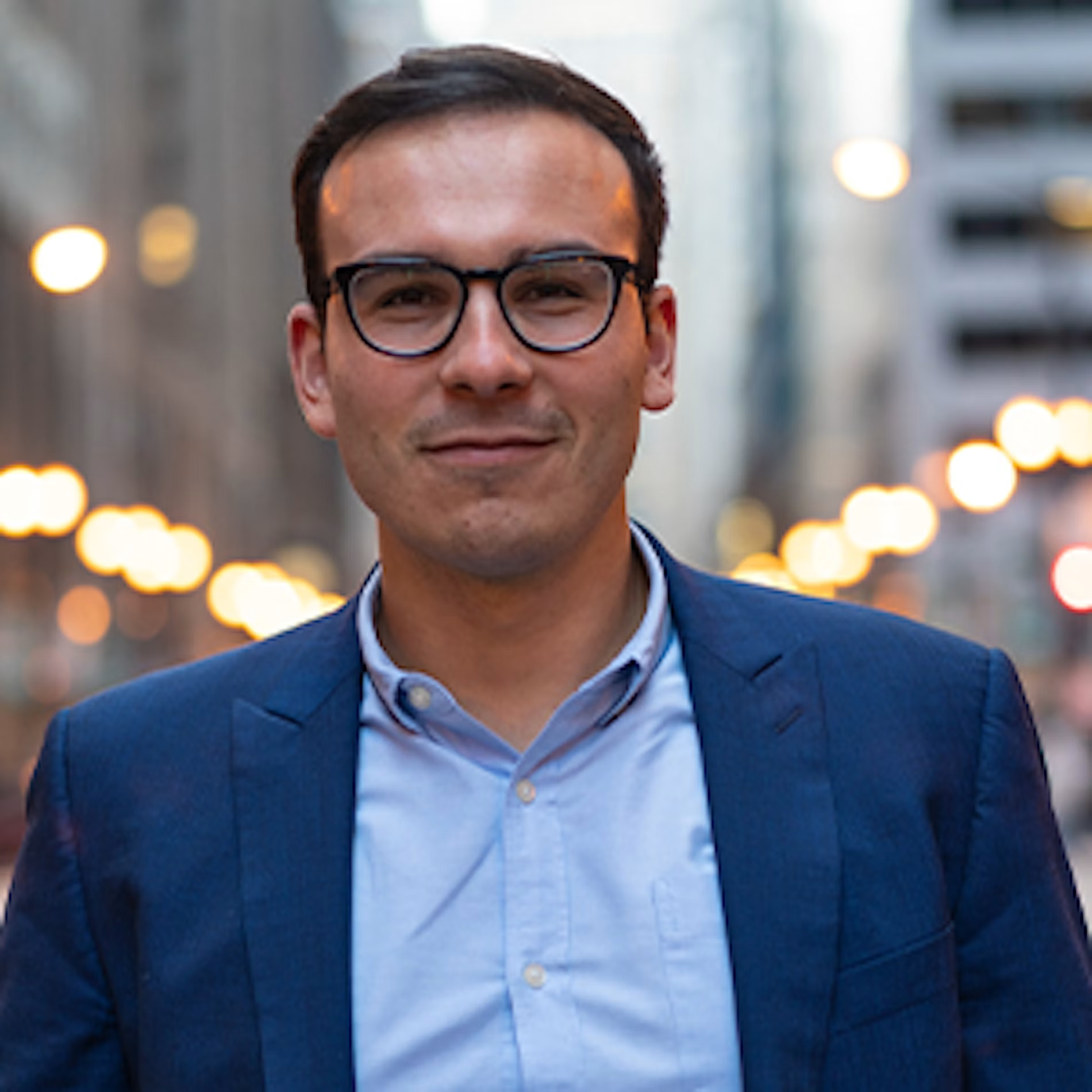
Edward Woodford
Edward Woodford is the co-founder and CEO of Zero Hash, the Chicago-based crypto and stablecoin infrastructure company that quietly powers digital-asset features inside Stripe, Interactive Brokers, Franklin Templeton, BlackRock and Shift4. A Goldman Sachs commodities alum who bought his first Bitcoin from an ATM as an MIT grad student, he built and sold a regulated derivatives venue before turning Zero Hash into a billion-dollar 'plumbing' business that has settled more than $45 billion in volume and onboarded over five million people to crypto.